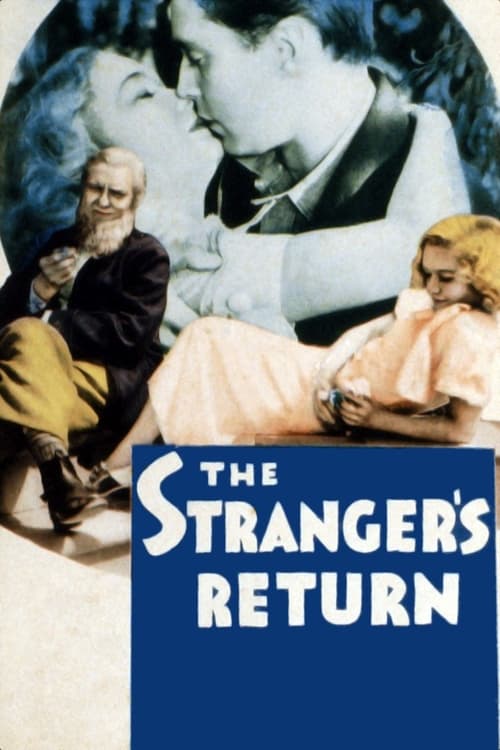
The Stranger's Return
1933
No user ratings available yet
Diversity score: 2.2 out of 10

1932
Director
King Vidor
Runtime
78 minutes
Average Rating
No ratings yetSynopsis
A London barrister's marriage is under strain after his affair with a shopgirl who is out to have him. The story is told in flashback.
Overall Score
Limited
Category Breakdown
LGBTQ+ Representation
The film lacks LGBTQ+ characters or narratives. Romantic conflicts are strictly confined to a traditional love triangle, maintaining heteronormative structures throughout.
Gender Representation
Cynara challenges submissive femininity through her sexual autonomy and profession as a courtesan. However, her agency is limited as she remains tethered to male figures.
Racial & Ethnic Diversity
Casting reflects early 1930s studio norms without significant ethnic blending. While the film explores class through Roman social stratification, it lacks modern intersectional depth.
Religious & Cultural Diversity
The melodrama focuses on individual passion rather than systemic critique. It depicts Roman social rigidity but avoids deconstructing institutional oppression or Western ideologies.
Disability Representation
There is no discernible representation of physical, sensory, or neurodivergent disabilities within the primary narrative arc.
Strengths
Areas for Improvement
AI Analysis
Cynara offers a nuanced look at agency within a patriarchal framework by centering on a female protagonist who exists outside traditional domestic roles. Her position as a courtesan provides a degree of sexual autonomy rarely seen in standard depictions of the era. However, the film is heavily constrained by the social and casting norms of 1932. The narrative remains focused on personal passion and duty rather than challenging the systemic structures of the Roman setting or providing intersectional complexity. Ultimately, while the film provides a more complex female lead than many contemporary melodramas, it lacks LGBTQ+ representation and fails to move beyond the era's traditional social hierarchies.
1933
1931
1952

1929

1933

1930

1933

1929

1931
1931

1932

2004
No reviews yet. Be the first to share your thoughts on this movie!
Use the rating form above to leave a star rating and optional review.