An Unusual Summer
1957
No user ratings available yet
Representation score: 2.4 out of 10
Representation Score
Minimal
1942
Director
Aleksandr Stolper, Boris Ivanov
Runtime
65 minutes
Average Rating
No ratings yetNew Showbiz Analysis
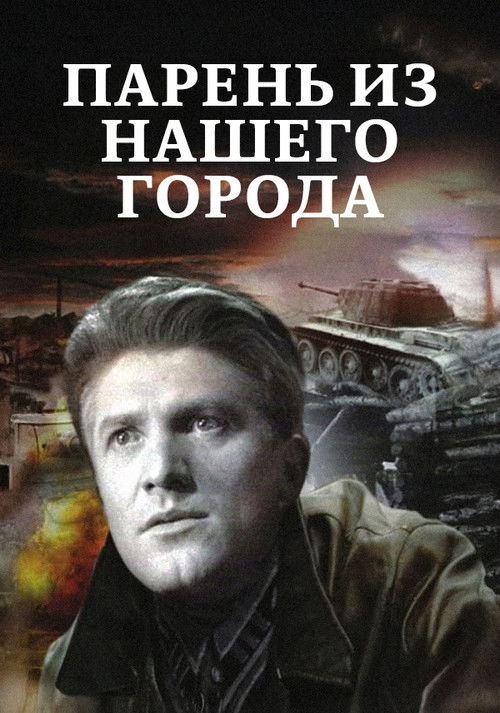
Lad from Our Town is a period-specific artifact of Soviet storytelling designed to reinforce national cohesion. The narrative structure prioritizes collective struggle and wartime mobilization over pluralistic perspectives. The film centers on a singular, heroic trajectory for the male protagonist. This structure reinforces traditional gender roles and state-aligned values rather than exploring diverse identities. Ultimately, the work serves as a vehicle for patriotism. It emphasizes masculine duty and domestic stability within a highly centralized socio-political framework.
Category Breakdown
The film follows traditional heterosexual norms of the 1940s. The central romantic relationship is between Sergei and Varenka.
The plot focuses on the male experience of war and military training. While Varenka has professional independence as an actress, the male protagonist drives the main storyline.
The setting reflects a homogeneous ethnic makeup typical of state-sponsored realism. There is no indication of diverse racial backgrounds within the Soviet context.
The narrative highlights state-aligned values and duty to the collective. It promotes state-mandated secularism and patriotism over religious or individualistic moral frameworks.
There is no documented evidence regarding the portrayal of physical or neurodivergent disabilities in the narrative.
Present on Screen
Limited or Absent
Official Synopsis
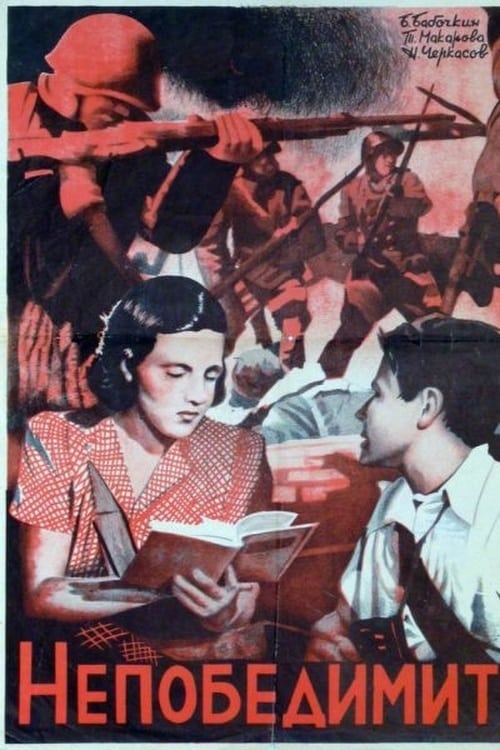
In the summer of 1932, Sergei Lukonin, a young man from Saratov, leaves his hometown for the distant city of Omsk to attend tank school. His fiancée, Varenka, who soon became an actress, remained in Saratov. In 1936, Sergei went to fight in the Spanish Civil War. He was wounded, taken prisoner, escaped, and returned to training battles, with June 1941 looming ahead.
1957
1962
1950

1959
1964
1995
1945
1943
No reviews yet. Be the first to share your thoughts on this movie!
Use the rating form above to leave a star rating and optional review.