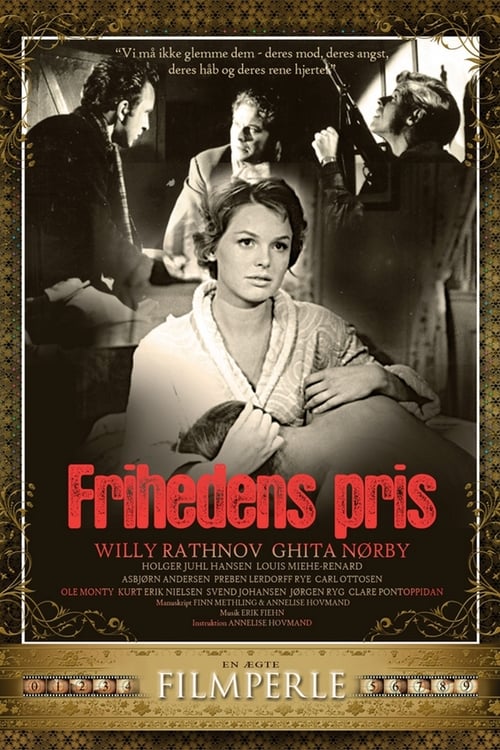
Frihedens pris
1960
No user ratings available yet
Representation score: 3.4 out of 10
Representation Score
Minimal
1962
Director
Annelise Reenberg
Runtime
116 minutes
Average Rating
No ratings yetNew Showbiz Analysis
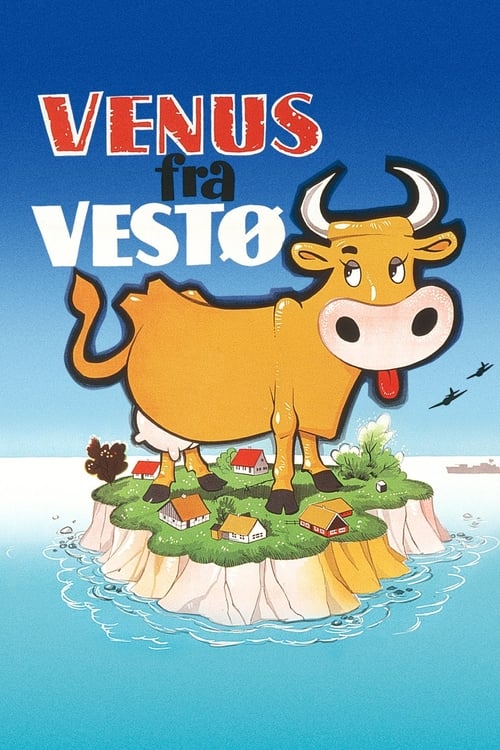
Venus fra Vestø serves as a cultural artifact of 1960s Danish cinema, strictly adhering to the social norms of its era. It focuses on domesticity and traditional community structures during wartime. The film does not intentionally explore identity or power dynamics. Its setting and genre conventions favor demographic homogeneity and conventional social hierarchies over diverse perspectives. While it captures a specific historical moment of Danish resistance and local cohesion, it does not aim to disrupt or expand upon the standard social frameworks of the time.
Category Breakdown
The film follows the straight-centered social norms typical of 1962 European cinema. There are no same-sex relationships or non-cisgender identities represented.
Female characters likely play significant roles within the domestic sphere. However, the narrative upholds traditional mid-century gender hierarchies and courtship customs without challenging them.
Set in an isolated Danish island community, the cast appears uniform. The film lacks diverse ethnic perspectives or color-blind casting, reflecting its localized historical context.
The story emphasizes traditional values and local patriotism during the WWII occupation. It prioritizes communal morality and Western social stability over complex institutional critiques.
There is no documentation of physical or neurodivergent disabilities within the main storyline.
Present on Screen
Limited or Absent
Official Synopsis
Vestø island's isolated community's prize cow is in danger of being abducted by German WWII occupation forces.
1960
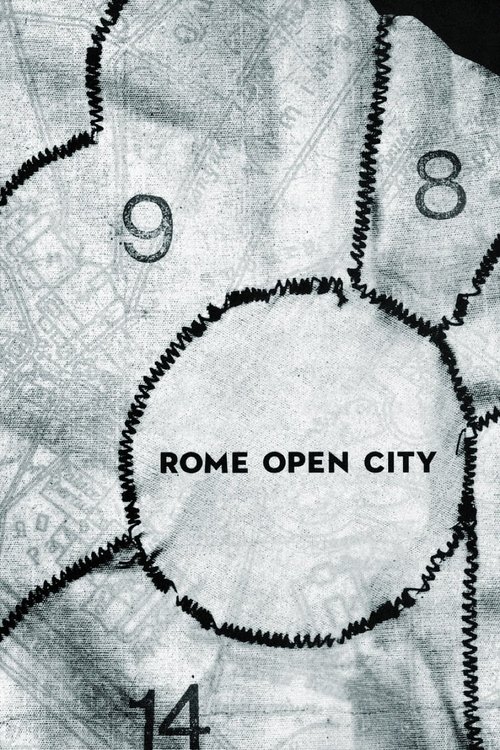
1945
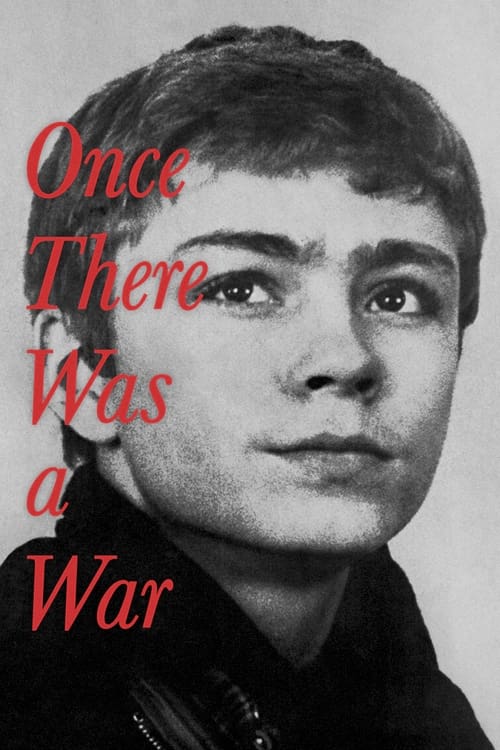
1966
1977
1944
1943

2012
1978
No reviews yet. Be the first to share your thoughts on this movie!
Use the rating form above to leave a star rating and optional review.