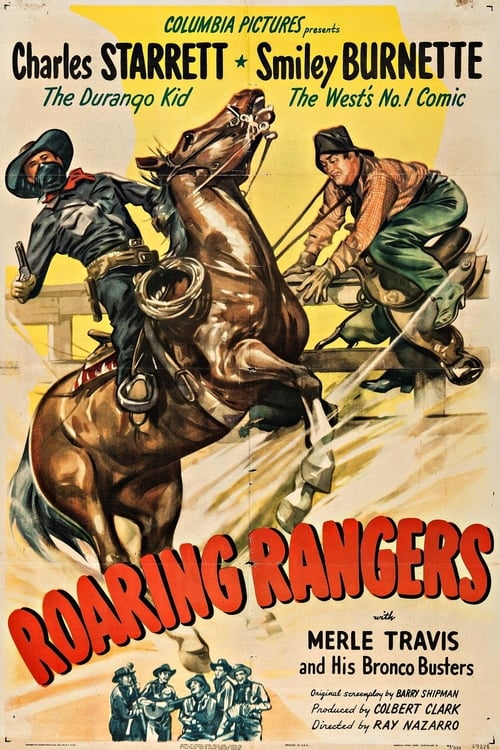
Roaring Rangers
1946
No user ratings available yet
Diversity score: 2.3 out of 10

1947
ApprovedDirector
Ray Nazarro
Runtime
55 minutes
Average Rating
No ratings yetSynopsis
Treasury Department Steve Waring, and also, unknown to others, the Durango Kid, comes to Sunset Pass in search of $1000,000 in gold coins, stolen from the government by the late Forrest Brent. He is aided by Smiley Burnette, the local deputy sheriff. Later, Paula Thorpe, Brent's daughter from his first marriage, arrives with her lawyer sweetheart Frank Raeburn, with intentions of proving her father's estate belongs to her and not to Mrs. Brent, his wife of record when he died. The widow Brent has no intentions of giving up one single cent.
Overall Score
Limited
Category Breakdown
LGBTQ+ Representation
The film follows a strictly heteronormative structure. Romantic conflicts center on traditional courtship and legal marriage dynamics, offering no representation of non-cisnormative identities.
Gender Representation
Male protagonists drive the primary agency and physical conflict. While Paula Thorpe initiates a legal dispute, her role remains defined by her relationships with male figures.
Racial & Ethnic Diversity
The cast reflects a homogeneous Anglo-centric demographic typical of 1947 Westerns. There is no evidence of significant racial blending or non-white majority casting.
Religious & Cultural Diversity
The narrative reinforces traditional Western institutions and mid-century moral frameworks. It prioritizes law enforcement and the sanctity of legal estates over cultural critique.
Disability Representation
No visible or invisible disabilities are central to the character arcs or plot progression.
Strengths
Areas for Improvement
AI Analysis
Last Days of Boot Hill is a conventional B-movie Western that prioritizes genre tropes over social complexity. The narrative focuses on property rights, law enforcement, and traditional frontier justice, which reinforces the status quo of its era. The film lacks diversity in almost every category, adhering to the homogeneous demographics and rigid gender hierarchies common in 1947 cinema. Characters exist primarily to uphold established social and legal structures. Ultimately, the film functions as a standard genre piece. It offers no subversion of identity or institutional critique, instead providing a predictable portrayal of mid-century American values.
1946

1946

1948
1947
1948
1948
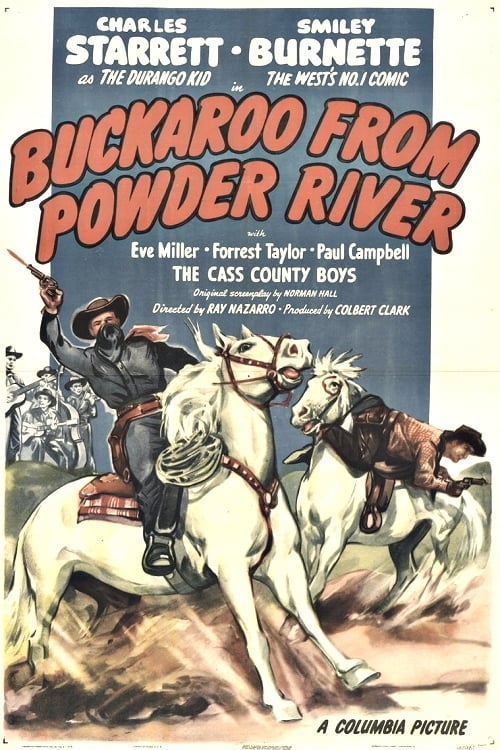
1947
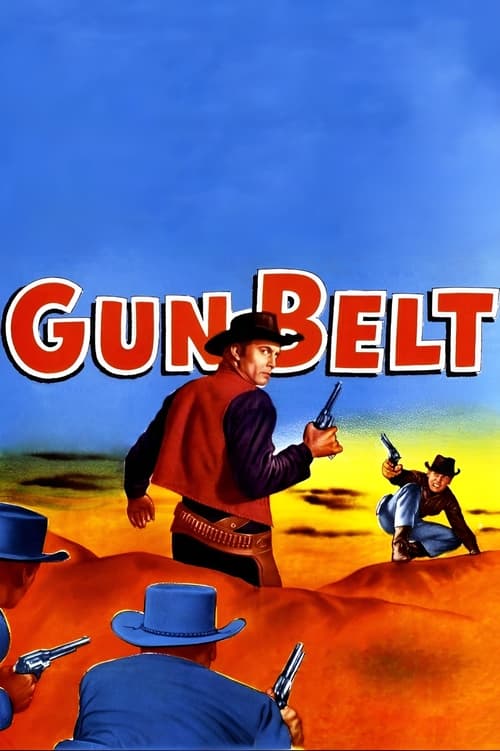
1953
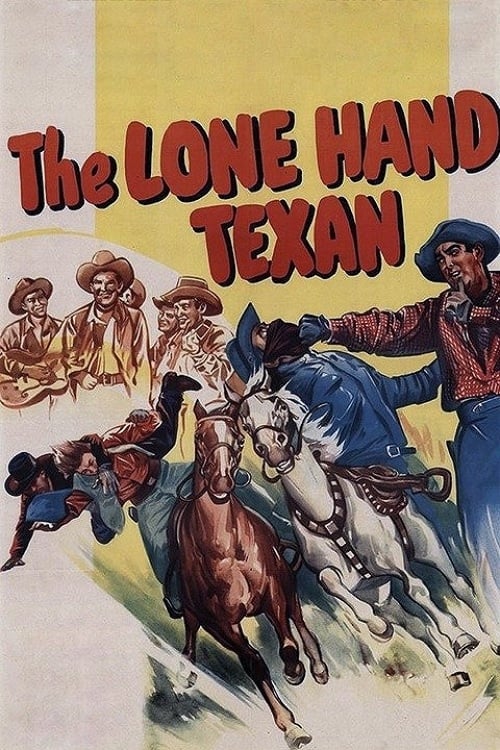
1947
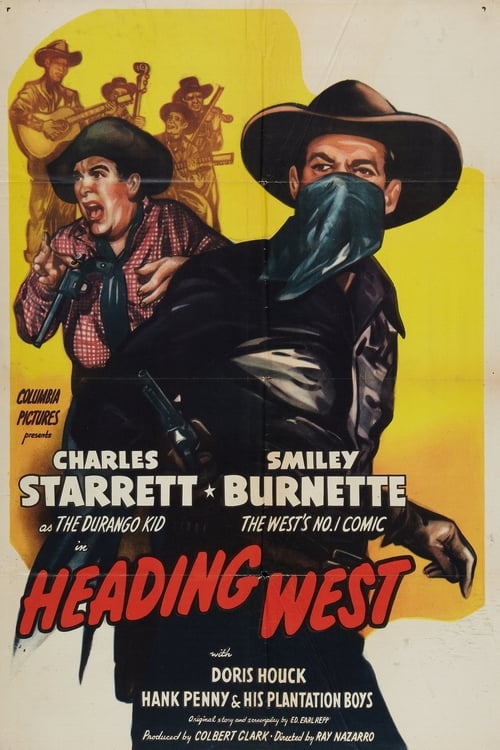
1946
1962
1924
No reviews yet. Be the first to share your thoughts on this movie!
Use the rating form above to leave a star rating and optional review.