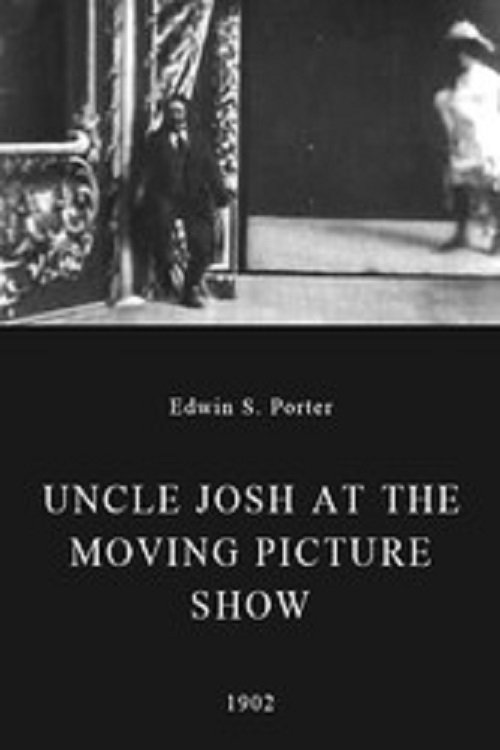
Uncle Josh at the Moving Picture Show
1902
No user ratings available yet
Representation score: 1.4 out of 10
Representation Score
Minimal
1901
Not RatedDirector
Robert W. Paul
Runtime
1 minutes
Average Rating
No ratings yetNew Showbiz Analysis
The Countryman and the Cinematograph serves as a meta-cinematic satire exploring the novelty of moving images. It prioritizes the tension between traditional lifestyles and modern technology over social commentary. The film relies on established comedic archetypes of the era, focusing on class-based clichés that limit its engagement with multi-layered themes. Ultimately, the work reflects the limited narrative scope of the early 1900s, functioning as a study of audience reception rather than a study of identity or progressive social structures.
Category Breakdown
The film focuses solely on a single comedic interaction involving technology. There is no representation of LGBTQ+ identities or critiques of the assumption that everyone is straight or cisgender.
The character dynamics are limited due to the film's brief runtime. The film relies on a stereotypical portrayal of a country yokel, reinforcing gender stereotypes rather than challenging them.
The narrative centers on class-based satire between rural and urban life. There is no indication of a diverse cast or the inclusion of non-white characters.
The film uses a traditional early-20th-century comedic framework. It reinforces a hierarchy of sophistication versus simplicity rather than critiquing Western institutions.
The protagonist's fear is a comedic response to a technological illusion. There is no evidence of characters with disabilities being portrayed with a significant role in driving the story.
Present on Screen
Limited or Absent
Official Synopsis
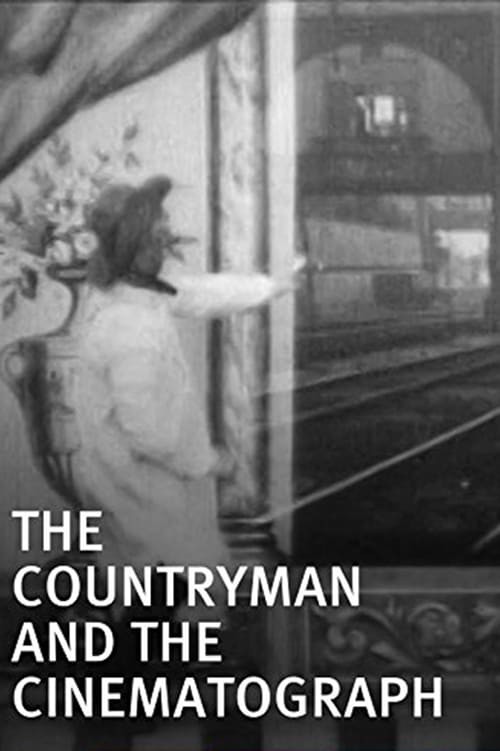
A satire on the way that audiences unaccustomed to the cinema didn't know how to react to the moving images on a screen - in this film, an unsophisticated (and stereotypical) country yokel is alternately baffled and terrified, in the latter case by the apparent approach of a steam train.
1902
1895
1898
1901
1903

1908
1905
1900
No reviews yet. Be the first to share your thoughts on this movie!
Use the rating form above to leave a star rating and optional review.