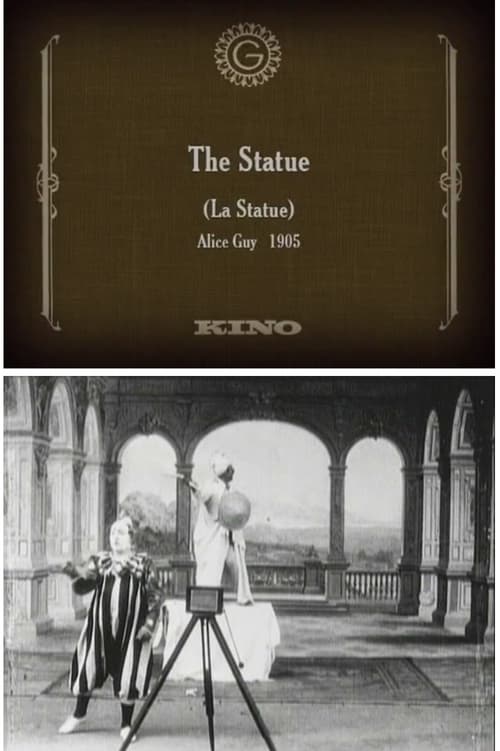
The Statue
1905
No user ratings available yet
Representation score: 0.2 out of 10
Representation Score
Fair
1905
Director
Alice Guy-Blaché
Runtime
2 minutes
Average Rating
No ratings yetNew Showbiz Analysis
The film's diversity is shaped by its historical context and creative leadership rather than character-level intersectionality. Alice Guy-Blaché’s role as a female director marks a significant departure from the early 20th-century patriarchal industry structures. While the narrative offers a potential critique of state and police authority through its depiction of unruly bricklayers, the cast appears demographically homogeneous. The absence of documented LGBTQ+ or disability representation reflects the era's technical and social limitations. Ultimately, the work stands out due to its direction, despite the onscreen characters lacking diverse identities.
Category Breakdown
The film does not include any explicit references to non-straight identities or same-sex relationships. The main characters are part of a comedic ensemble of workers without clear LGBTQ+ representation.
Alice Guy-Blaché's role as director highlights her significant creative authority in a male-dominated era. However, the plot does not provide specific details about the female characters' roles in driving the story.
The cast likely reflects the demographic makeup of 1905 France. There is no indication of intentional ethnic diversity or casting actors with different backgrounds.
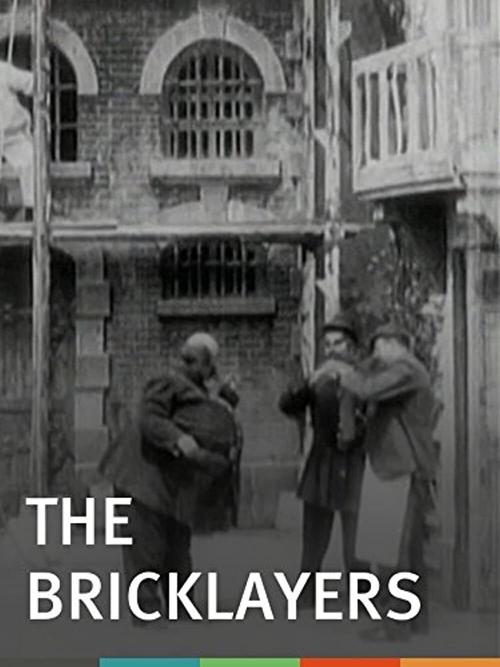
The story presents a comedic challenge to authority through the actions of working-class laborers. These characters disrupt the established order and act as agents of chaos against local law enforcement.
There is no information about the portrayal of physical or neurodivergent characters in the available synopsis.
Present on Screen
Limited or Absent
Official Synopsis
Starring 'Les Omers' as a bunch of bricklayers causing trouble for the local cops.
1905
1897
1900

1909
1902
1900
1899
1906
No reviews yet. Be the first to share your thoughts on this movie!
Use the rating form above to leave a star rating and optional review.