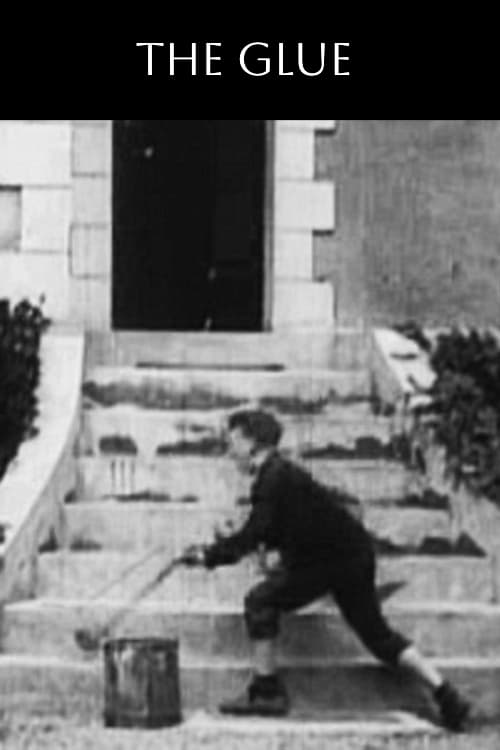
The Glue
1907
No user ratings available yet
Representation score: 3.0 out of 10
Representation Score
Limited
1906
Not RatedDirector
Alice Guy-Blaché
Runtime
3 minutes
Average Rating
No ratings yetNew Showbiz Analysis
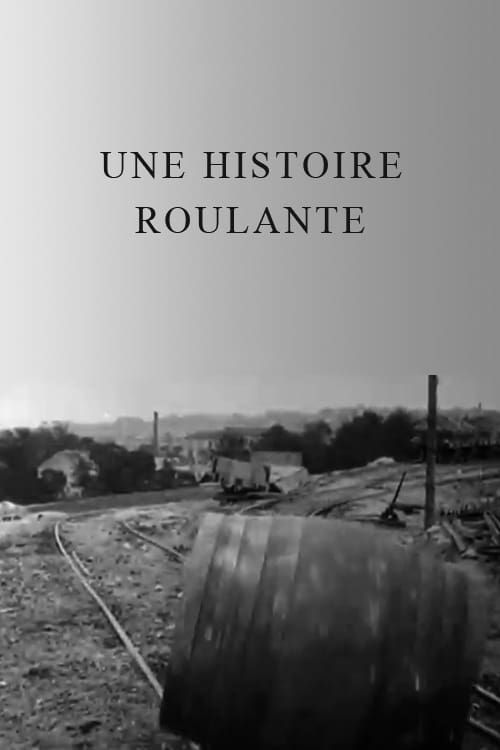
A Story Well Spun is a historical artifact where its diversity value lies more in its creation than its content. Centered around a runaway barrel, the narrative is driven by physical chaos rather than social representation. The film's primary strength is Alice Guy-Blaché's pioneering role as a female director, which challenges the male-dominated structure of early cinema. However, the film's content remains limited by the standards of 1906, lacking visible representation of LGBTQ+, racial, or disability diversity.
Category Breakdown
The film does not include explicit LGBTQ+ characters or stories that challenge the assumption that everyone is straight. The focus on a runaway barrel leaves little room for nuanced identity-based storytelling.
Alice Guy-Blaché's direction in 1906 provides a structural challenge to historical gender hierarchies. Although the narrative itself doesn't highlight specific female roles, her authorship challenges the male-dominated structure of early cinema.
The film likely reflects the homogeneous casting typical of early silent comedies. There is no indication of diverse casting or symbolic representations of racial diversity.
The slapstick genre focuses on the chaos caused by a runaway barrel, which deconstructs urban order. However, the film lacks complex critiques of modern institutions or cultural practices.
There is no evidence of characters with visible or invisible disabilities within the film's documentation.
Present on Screen
Limited or Absent
Official Synopsis
A runaway barrel wreaks havoc all over the city.
1907
1906
1905
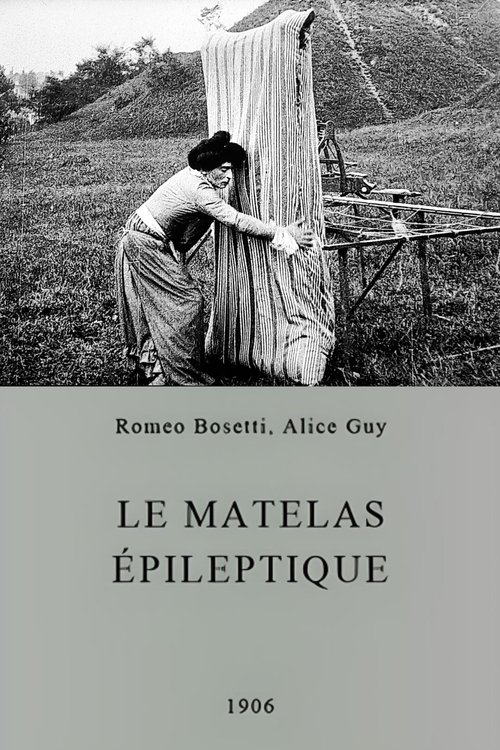
1906
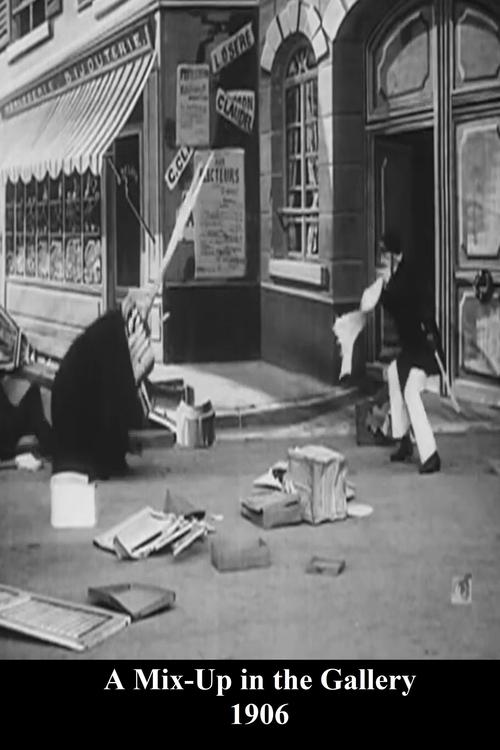
1906
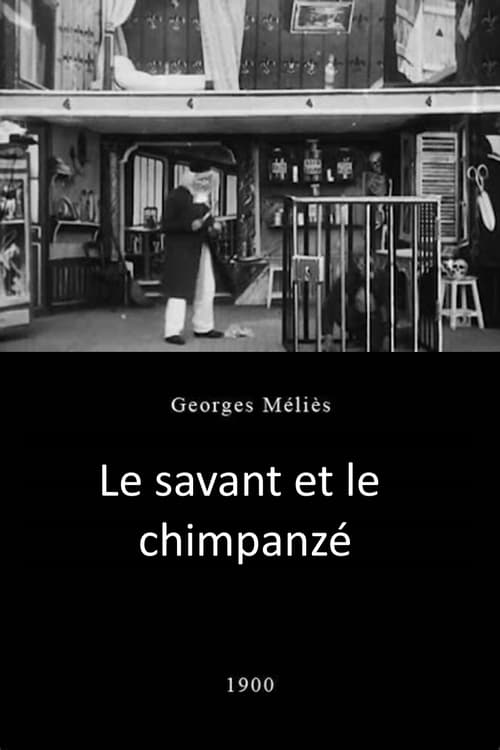
1900

1905
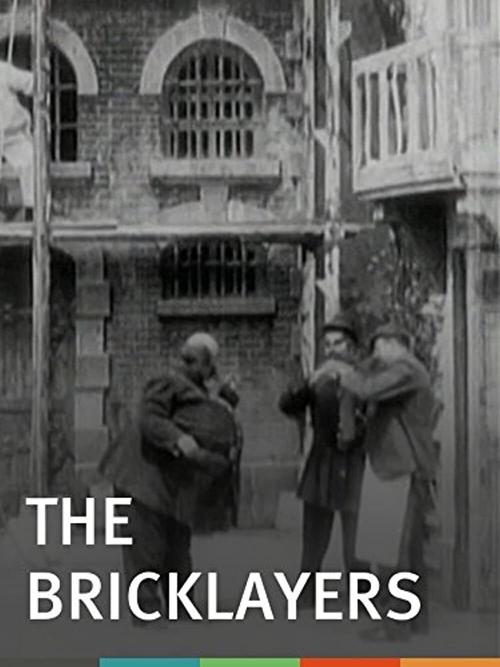
1905
No reviews yet. Be the first to share your thoughts on this movie!
Use the rating form above to leave a star rating and optional review.