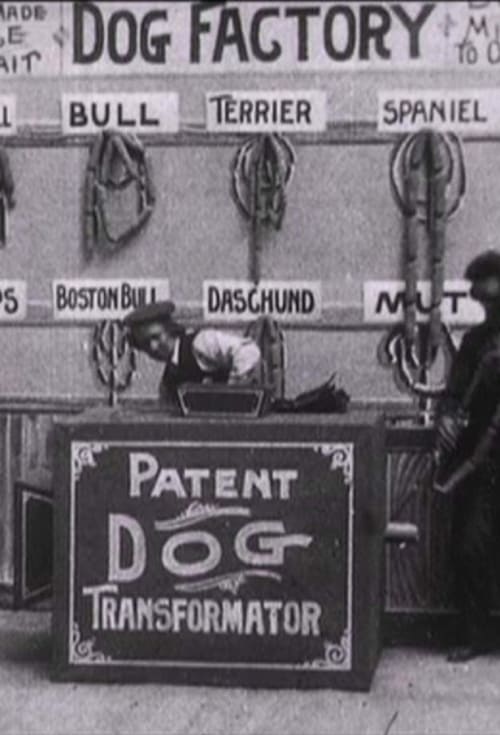
Dog Factory
1904
No user ratings available yet
Representation score: 1.3 out of 10
Representation Score
Limited
1900
Not RatedDirector
Alice Guy-Blaché
Runtime
1 minutes
Average Rating
No ratings yetNew Showbiz Analysis
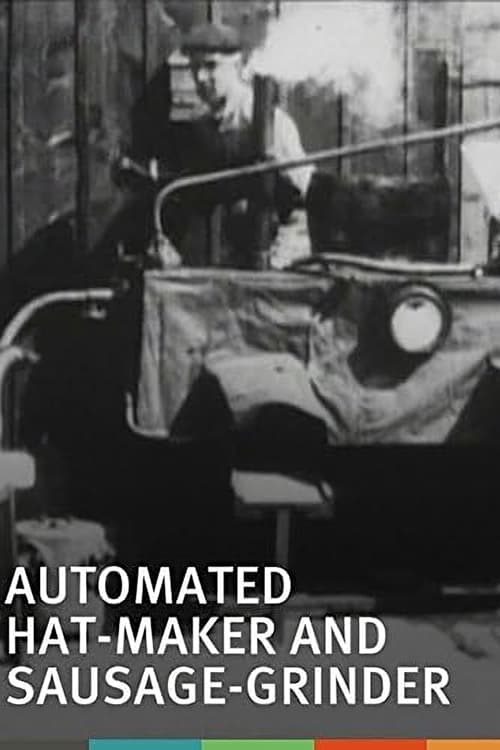
This film functions primarily as a technical curiosity of early cinema rather than a vehicle for social discourse. Its focus is on the mechanical production of sausages and hats, which limits character-driven representation. While the narrative lacks depth in addressing multiple aspects of identity, the directorial leadership of Alice Guy-Blaché provides a significant historical layer of progressive intent. Her leadership disrupts the patriarchal hierarchies typical of the 1900s film industry. Ultimately, the work is a testament to early experimentation with automation. It lacks the human complexity required to address racial, religious, or disability-based representation effectively.
Category Breakdown
The film does not include explicit representations of LGBTQ+ identities or non-cisgender expressions. Because of its brief and mechanical nature, there is no room for complex LGBTQ+ character arcs.
Alice Guy-Blaché’s role as director provides a meta-textual challenge to traditional gender power structures. Her presence challenges the male-dominated 'auteur' hierarchies of the early cinematic era.
The documentation focuses on a mechanical process rather than a human cast. There is no evidence of a diverse or non-Anglo-Saxon cast present.
The film offers a subtle commentary on industrial automation and capitalist structures. The absurd juxtaposition of goods suggests a satirical lens on Western industrial efficiency.
There is no evidence regarding the portrayal of neurodivergence or physical disabilities in this work.
Present on Screen
Limited or Absent
Official Synopsis
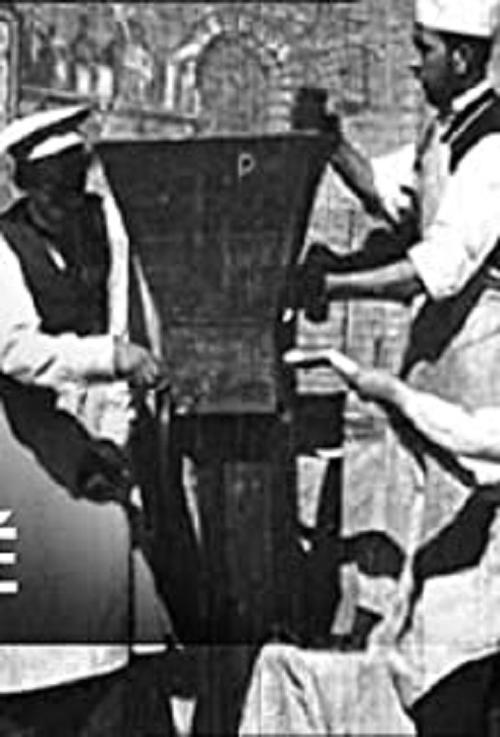
A machine churns out sausages on one side and spits out hats on the other. The director of this film is not credited in any contemporary catalogues or trade publications, or attributed to anyone by scholars or primary sources, however Alice Guy-Blaché is the most probable candidate.
1904
1978
1905
1906
1895
1897
1906
1900
No reviews yet. Be the first to share your thoughts on this movie!
Use the rating form above to leave a star rating and optional review.