Why Mrs. Jones Got a Divorce
1900
No user ratings available yet
Representation score: 0.2 out of 10
Representation Score
Minimal
1900
Director
James H. White
Runtime
1 minutes
Average Rating
No ratings yetNew Showbiz Analysis
This early silent comedy relies on slapstick humor and physical gags rather than social commentary. The narrative is narrow, focusing on a single domestic prank involving children and an elderly woman. While the film lacks diversity in terms of race, sexuality, and disability, it briefly subverts gendered power dynamics. The protagonist's ability to reclaim dominance over her antagonists provides a rare moment of female empowerment within the genre. Ultimately, the film is a product of its era, prioritizing localized comedic conflict over broader cultural representation.
Category Breakdown
The film does not include any LGBTQ+ characters or non-cisgender identities. The story revolves around a prank involving children and an elderly woman.
Initially, Grandma appears as a vulnerable target for a prank. However, she turns the tables on the boys, challenging traditional passive female roles.
There is no representation of a multi-ethnic cast or non-Anglo-Saxon characters. The narrative focuses on a traditional domestic setting without explicit racial diversity.
The film examines domestic hierarchies and the disruption of childhood innocence. It presents a localized comedic conflict rather than a broader social critique.
No characters with physical, sensory, or neurodivergent disabilities are portrayed. There is no evidence of disability being a central narrative element.
Present on Screen
Limited or Absent
Official Synopsis
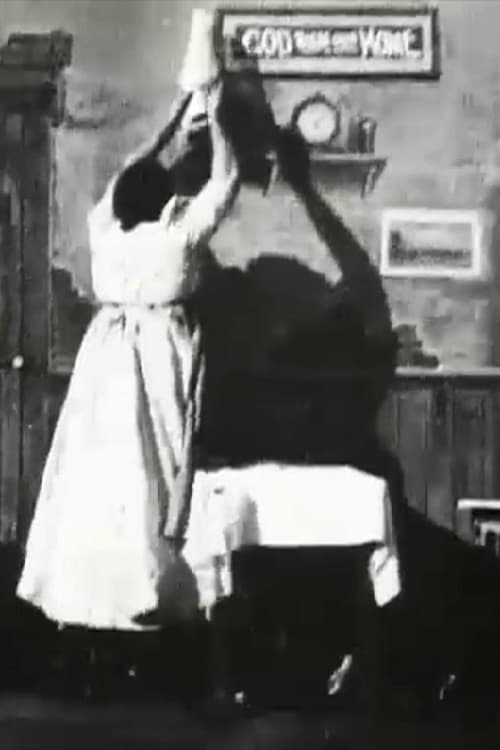
Two bad boys enter the kitchen. One climbs to the kitchen table and takes down the old lamp, the other goes to the flour barrel and scoops out some flour, pouring it into the chimney until it is filled to the top. The lamp is then replaced in the bracket. Grandma enters, scratches a match, removes the lamp chimney, when the flour falls upon her head. It sticks in her hair and fills her eyes, but this is where she turns the tables.
1900
1903
1899
1900

1909
1909
1900
1900
No reviews yet. Be the first to share your thoughts on this movie!
Use the rating form above to leave a star rating and optional review.