
One Minute to Zero
1952
No user ratings available yet
Representation score: 2.3 out of 10
Representation Score
Minimal
1943
NRDirector
Mark Sandrich
Runtime
126 minutes
Average Rating
No ratings yetNew Showbiz Analysis
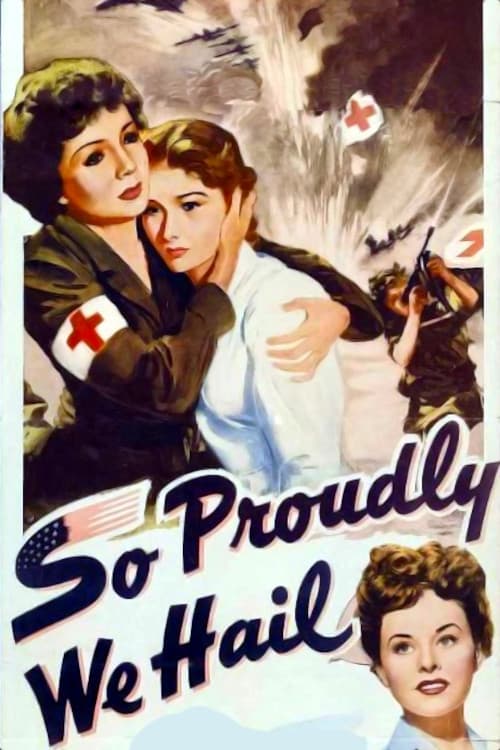
So Proudly We Hail is a traditional wartime drama centered around the professional competence of female military nurses. While it provides women with significant leadership roles during the Pacific campaign, the narrative remains deeply rooted in the social norms of the 1940s. The film prioritizes nationalistic sentiment and the preservation of social order. This focus results in a homogeneous depiction of the American military and a lack of diverse representation. Ultimately, the work serves more as a tool for wartime unity than a nuanced exploration of varied identities. The film successfully portrays female authority but fails to represent any identities outside of a conventional, Anglo-centric wartime framework.
Category Breakdown
The film focuses on heterosexual relationships and does not include any depictions of LGBTQ+ identities or same-sex intimacy. It assumes that everyone is straight and cisgender.
Women in the film hold professional authority and leadership roles, such as Lieutenant Janet Davidson. However, their roles are often defined by traditional gender norms and conventional romantic interests.
The cast is predominantly white and reflects the homogeneity of the 1943 American military. The narrative lacks diversity and reinforces a single cultural identity.
The story emphasizes patriotism and military hierarchy to promote national unity. It upholds traditional Western institutions and the wartime status quo.
Wounded soldiers play a role as catalysts for the nurses' professional duties. The film focuses on medical labor rather than the personal experiences of disabled individuals.
Present on Screen
Limited or Absent
Official Synopsis
During the start of the Pacific campaign in World War II, Lieutenant Janet Davidson is the head of a group of U.S. military nurses who are trapped behind enemy lines in the Philippines. Davidson tries to keep up the spirits of her staff, which includes Lieutenants Joan O'Doul and Olivia D'Arcy. They all seek to maintain a sense of normal life, including dating, while under constant danger as they tend to wounded soldiers.
1952
1945
1959

1940

1956
1959
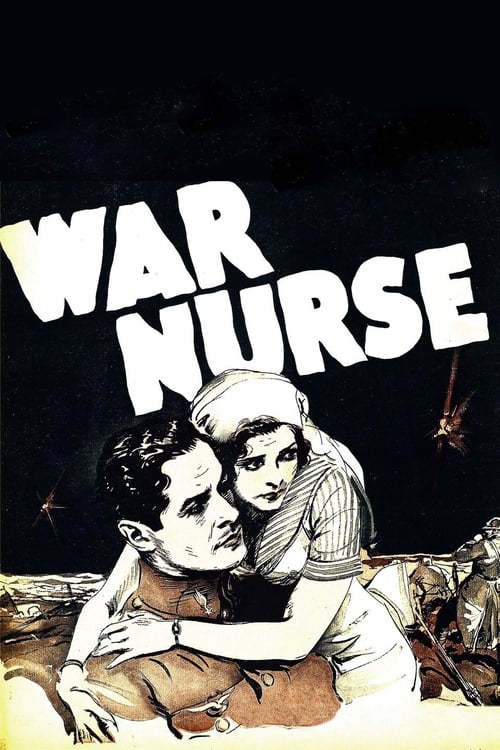
1930

1958
No reviews yet. Be the first to share your thoughts on this movie!
Use the rating form above to leave a star rating and optional review.