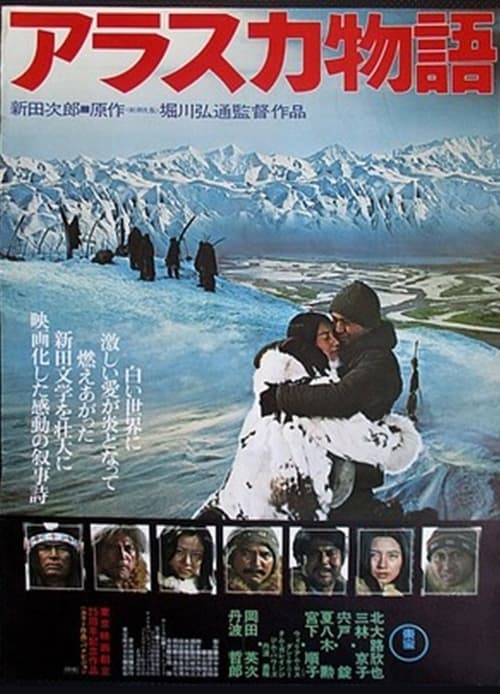
The Alaska Story
1977
No user ratings available yet
Diversity score: 5.4 out of 10
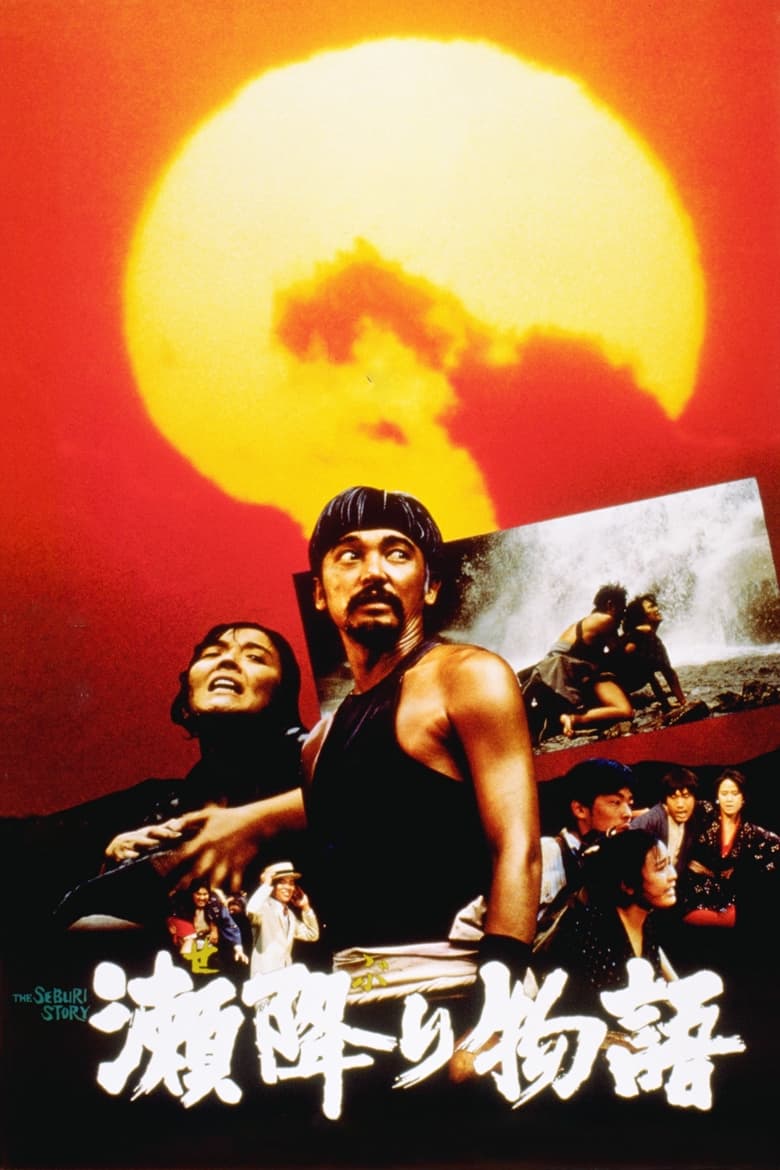
1985
Director
Sadao Nakajima
Runtime
125 minutes
Average Rating
No ratings yetSynopsis
The culturally isolated, nomadic Seburi people of western Japan are the subject of this tragedy about a few of the community's members who especially experience difficulties as modern Japan encroaches on their world. The setting is World War II, and conflicts have already arisen when the military police come to take Seburi men away into the army. Still following their own customs that can be harsh at times, and are particularly cruel to women (women must give birth alone and unaided, a woman's adultery is punished by burying her up to her neck in the earth and then leaving her for days), the Seburi are mainly treated with fear and animosity by the non-Seburi townspeople of the region. Along with the hardships arising from cultural clashes, nature's own vagaries present other challenges to the Seburi -- who still lived in tents until the 1950s. Winter avalanches and snowstorms cause as much havoc as the tensions engendered by the slow encroachment of the modern world.
Overall Score
Good
Category Breakdown
LGBTQ+ Representation
The film lacks visible queer agency or non-heteronormative identities. The narrative focuses on the biological and social imperatives of the Seburi community's specific customs.
Gender Representation
Women are depicted as subjects of harsh, traditional hierarchies, including unassisted childbirth and punitive adultery laws. The film uses these tragedies to critique patriarchal cruelty and militarism.
Racial & Ethnic Diversity
The story excels by centering the nomadic Seburi people, a marginalized ethnic minority. It highlights the friction between this distinct group and the surrounding non-Seburi townspeople.
Religious & Cultural Diversity
The film explores the subjective morality of the Seburi, portraying their customs as both vital and brutal. It critiques the destructive encroachment of the modern Japanese state.
Disability Representation
There is no mention of characters with visible or invisible disabilities. Environmental hazards like avalanches serve as plot drivers rather than explorations of disability.
Strengths
Areas for Improvement
AI Analysis
The film is a nuanced ethnographic drama that avoids a monolithic view of Japanese history. It succeeds by centering a culturally isolated minority and examining the systemic dissolution of indigenous structures under nationalistic pressure. While the portrayal of ethnic marginalization is sophisticated, the film struggles with gender representation due to its focus on traditional patriarchal cruelty. The lack of LGBTQ+ or disability-focused narratives limits the overall scope of its inclusivity. Ultimately, the work functions as a complex study of cultural collision, highlighting the tension between unique indigenous lifestyles and the encroaching modern world.
1977

2006

1982

1980

2004
1967
2022

1965

1991

1991
1986
2001
No reviews yet. Be the first to share your thoughts on this movie!
Use the rating form above to leave a star rating and optional review.