Balloon
2019
No user ratings available yet
Representation score: 3.6 out of 10
Representation Score
Limited
1986
Not RatedDirector
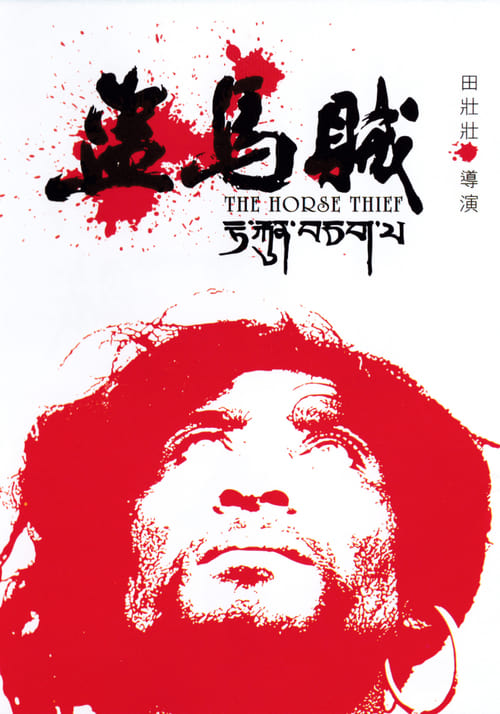
Tian Zhuangzhuang
Runtime
88 minutes
Average Rating
No ratings yetNew Showbiz Analysis
Tian Zhuangzhuang’s work stands out for its ethnographic depth, providing a sophisticated alternative to Western-centric narratives. By focusing on Tibetan culture and its unique religious and communal laws, the film presents a nuanced, autonomous world that diverges from mainstream cinematic clichés. However, the narrative structure still upholds traditional gender hierarchies and masculine-driven plots, reflecting mid-20th-century pastoral gender roles. This limits the active roles of female characters. Overall, the film is a significant contribution to cultural preservation. While it does not engage with contemporary discussions on gender or LGBTQ+ identity, its strength lies in its powerful disruption of Anglo-centric perspectives.
Category Breakdown
The film focuses on the survival of a traditional family unit and does not include any characters with non-straight or non-cisgender identities.
Dolma plays a key role in the emotional storyline, but her influence is tied to her relationships. The story emphasizes male experiences of struggle and paternal responsibilities.
The film offers excellent representation of Tibetan identity. It challenges mainstream cinema by centering a non-Han ethnic group and showcasing a rich cultural backdrop.
The story highlights a localized Buddhist worldview and explores morality through communal religious laws and traditions.
The film touches on illness and the fragility of life but does not feature characters with permanent disabilities as central plot devices.
Present on Screen
Limited or Absent
Official Synopsis
Devout Buddhists, Norbu and Dolma live with their young son Tashi in a clan in Tibet. Norbu is a highwayman. After Norbu is charged with stealing from the temple, he and his family are banished. Impoverished and marginalized, they can do little when their beloved son becomes ill. Tashi dies of a fever. After a second son is born, Norbu focuses his every action on keeping this child alive, seeking re-admission to the clan for his wife and child, then risking all to save them from isolation and starvation in winter.
2019

2019
2005

2000
2018

2015
1994
2017
No reviews yet. Be the first to share your thoughts on this movie!
Use the rating form above to leave a star rating and optional review.