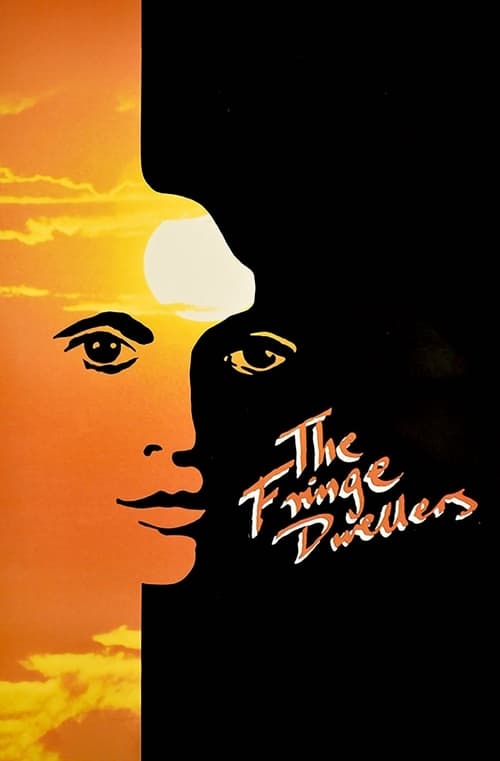
The Fringe Dwellers
1986
No user ratings available yet
Representation score: 5.6 out of 10
Representation Score
Fair
1980
Director
John Honey
Runtime
90 minutes
Average Rating
No ratings yetNew Showbiz Analysis
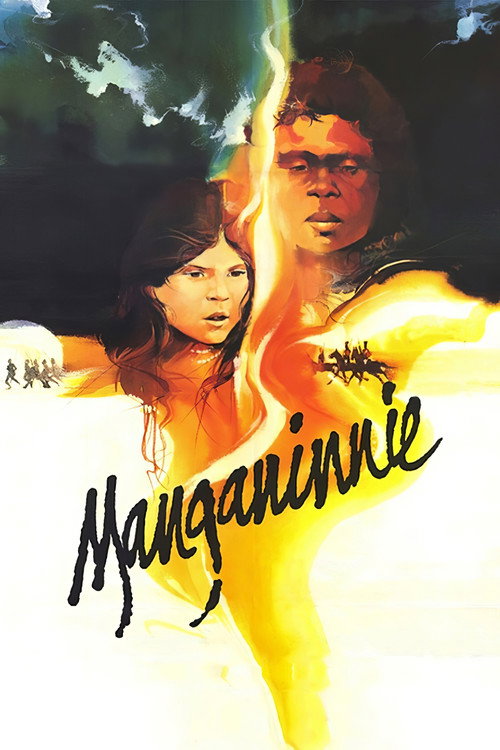
Manganinnie serves as a powerful piece of historical revisionism that challenges celebratory colonial narratives. By focusing on the Black Drive of 1830, the film centers the trauma of the Tasmanian Aborigines and the erasure of their culture. The film's primary strength lies in its intentionality in portraying racial struggle and the psychological impact of displacement. It successfully disrupts Western-centric histories by prioritizing indigenous ability to act and the reality of near-genocide. However, the film's scope is narrow, leaving categories like LGBTQ+ representation and disability unaddressed. While it excels in cultural critique, it remains focused on a specific historical ethnic tragedy.
Category Breakdown
The film does not include explicit references to LGBTQ+ identities or relationships that challenge the assumption that everyone is straight or cisgender.
The story follows Joanna's journey, offering a female perspective that departs from traditional, male-centric colonial narratives of historical tragedy.
The film provides a deep critique of settler-colonialism by focusing on the near-genocide of the Tasmanian Aborigines. It prioritizes the indigenous experience and the grief of a vanished tribe.
The narrative critiques Western expansionism and the destructive nature of colonial institutions. It highlights the loss of tribal ways of life and the impact of systemic oppression.
There is no information about the portrayal of physical or neurodivergent disabilities within the film's narrative.
Present on Screen
Limited or Absent
Official Synopsis
Through lyrical images, Manganinnie journeys across mountains towards the coast with Joanna, a white girl, in search of Manganinnie's vanished tribe. The poignancy of this film derives from the Aboriginal woman's gradual realization that her people and the tribal way of life are forever gone. It is the story of the Black Drive of 1830, the near-genocide of the Tasmanian Aborigines.
1986

1963

2012
1988
2013

1989
1955
1998
No reviews yet. Be the first to share your thoughts on this movie!
Use the rating form above to leave a star rating and optional review.