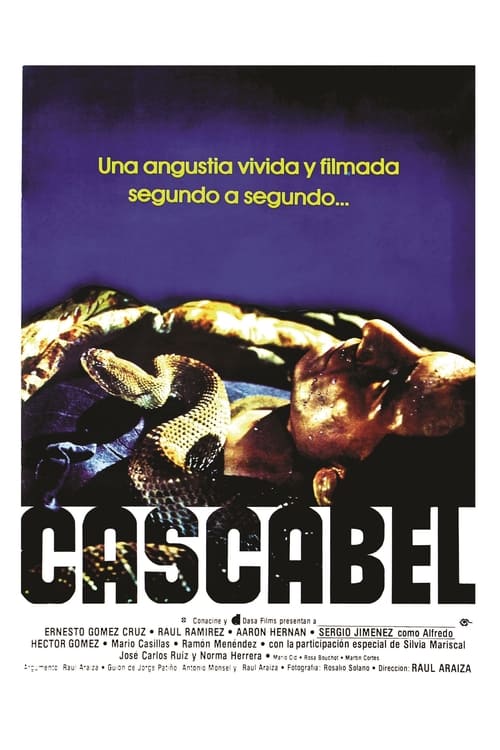
Rattlesnake
1977
No user ratings available yet
Representation score: 3.8 out of 10

Representation Score
Good
1965
Director
Luis Alcoriza
Runtime
105 minutes
Average Rating
No ratings yetNew Showbiz Analysis
The film provides a powerful social commentary that goes beyond simple inclusion to criticize systemic injustices. By focusing on the indigenous struggle against land dispossession, it challenges traditional land-tenure institutions. The director's history of challenging social norms supports a narrative structure that prioritizes underrepresented perspectives over dominant institutional ones. This approach frames the conflict as a clash between traditional ways of life and oppressive state structures. While the film excels in representing ethnic and cultural diversity, it remains limited in depicting gendered ability to act and LGBTQ+ identities. The focus on academic observation and land rights leaves several social dimensions unexplored.
Category Breakdown
The film does not include any explicit LGBTQ+ characters or stories that challenge the assumption that everyone is straight. There is no specific mention of queer identities or experiences.
The story focuses on an anthropologist, which might emphasize a male perspective. However, the emphasis on land survival seems to challenge traditional gender roles.
The film intentionally highlights the Tarahumara people and their lived experiences, prioritizing their perspective over those of mestizo or Anglo cultures.
The story criticizes the impact of capitalism on communal lands. It portrays the struggles of indigenous groups against state-sanctioned corruption and Western property rights.
There is no indication of the portrayal of physical or neurodivergent disabilities in the available narrative.
Present on Screen
Limited or Absent
Official Synopsis
A worker of the Mexican Indigenist Institute tries to help the Tarahumara Indians to protect and keep their lands, but he must face corrupt landowners and politicians.
1977

1963
2008

1960
1961

2022
1992

1959
No reviews yet. Be the first to share your thoughts on this movie!
Use the rating form above to leave a star rating and optional review.