First Morning
2003
No user ratings available yet
Representation score: 6.1 out of 10
Representation Score
Fair
2006
Director
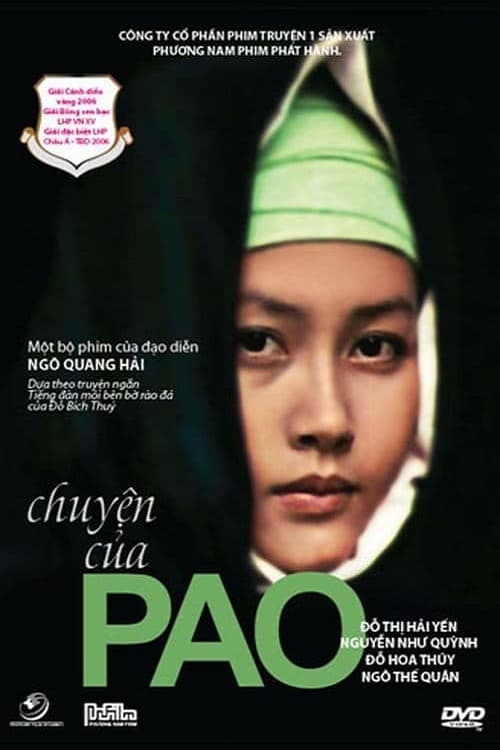
Ngo Quang Hai
Runtime
98 minutes
Average Rating
No ratings yetNew Showbiz Analysis
The film stands out for its commitment to ethnic specificity, focusing on the Hmong experience within a rugged, mountainous landscape. By moving away from urban-centric narratives, it provides a rare look at regional authenticity and minority ability to act. While the film lacks visible LGBTQ+ representation, it successfully deconstructs traditional family structures. The focus on step-parental dynamics and the search for biological origins offers a complex view of kinship. Ultimately, the work functions as a significant piece of regional cinema that challenges social norms through its female-led perspective and deep integration of cultural identity.
Category Breakdown
The story focuses primarily on familial lineage and maternal connections. There are no explicit queer narratives or non-cisgender identities in the plot.
Pao, the female protagonist, serves as the main driver of both emotional and physical action. Her journey of self-discovery challenges traditional patriarchal structures within a tribal setting.
The film centers on the Hmong ethnic minority, providing meaningful ability to act to a group often sidelined in national media. Their identity forms the core of the protagonist's existence.
The story explores family trauma and subjective morality through the lens of a underrepresented tribe. It avoids simplistic frameworks to offer a nuanced look at heritage and survival.
There is no discernible evidence of physical or neurodivergent disabilities portrayed in the film's narrative.
Present on Screen
Limited or Absent
Official Synopsis
Set in a breath-taking primitive landscape in the mountainous provinces of Vietnam, the film tells the story of a Hmong tribe girl named Pao. She was raised by her stepmother, for her real mother left her when she was little. One day, her stepmother dies in an accident, and she begins to track down her birth mother. But her journey turns out to disclose an unsealed sentimental drama of the family in the past.
2003

1988

2013
2002
2005
2015

2005
2001
No reviews yet. Be the first to share your thoughts on this movie!
Use the rating form above to leave a star rating and optional review.