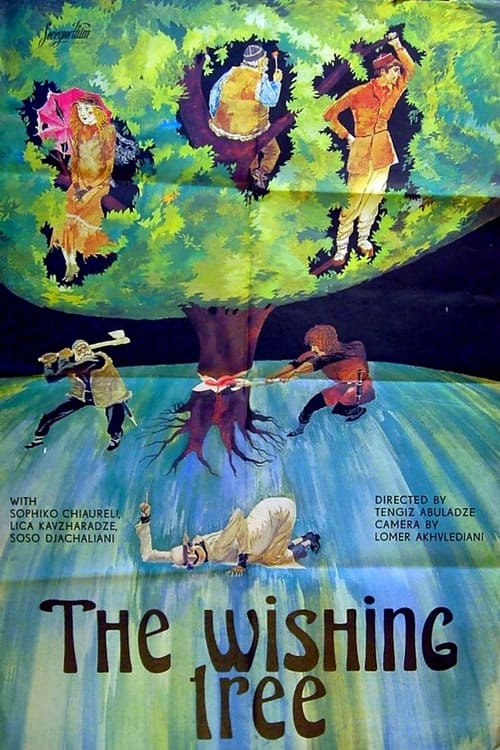
The Wishing Tree
1976
No user ratings available yet
Diversity score: 5.4 out of 10
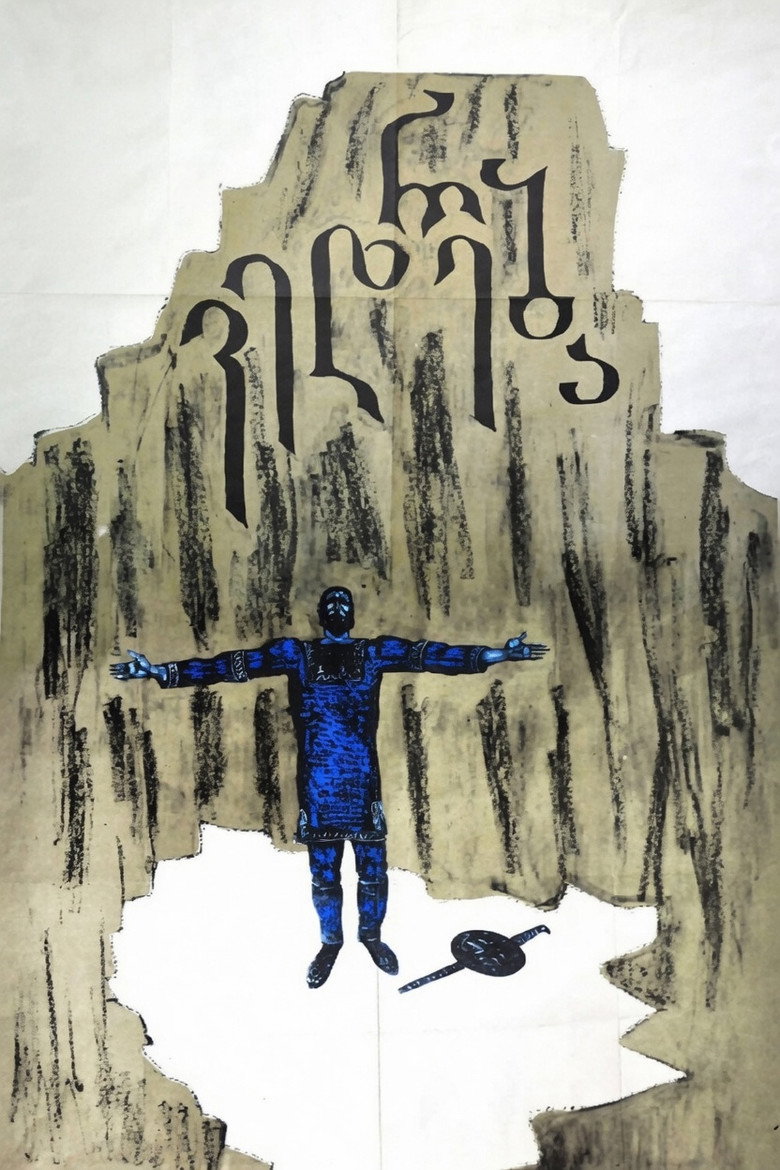
1967
Director
Tengiz Abuladze
Runtime
72 minutes
Average Rating
No ratings yetSynopsis
Brave sons of Khevsureti and Kisteti fight against each to protect their homelands. But, they confront faulty domestic traditions to respect enemy’s true prowess and find themselves in conflict with own compatriots.
Overall Score
Fair
Category Breakdown
LGBTQ+ Representation
The film operates within a traditional, rural Georgian framework. There is no evidence of non-cisnormative gender identities or narratives that challenge heteronormativity.
Gender Representation
The film portrays a deeply entrenched patriarchal hierarchy. While it depicts these structures as dominant, the agency to navigate or disrupt them remains largely centered on male-driven social conflicts.
Racial & Ethnic Diversity
The production excels in ethnic authenticity by centering a predominantly Georgian cast. It avoids a homogenized lens, providing a deep, localized perspective that resists Western cinematic tropes.
Religious & Cultural Diversity
The film deconstructs traditional institutions by portraying communal morality as a source of injustice. It examines how outdated customs can become oppressive tools of social stigma.
Disability Representation
There are no prominent depictions of physical or neurodivergent disabilities used as central narrative drivers or plot devices.
Strengths
Areas for Improvement
AI Analysis
Tengiz Abuladze’s *The Plea* is a sophisticated social critique that uses poetic realism to examine the friction between individual morality and inherited tradition. It succeeds by presenting a non-Western cultural identity that avoids common cinematic tropes, offering a localized and authentic perspective on human conflict. However, the film is limited by its traditional setting, which lacks modern intersectional markers. The narrative focus remains heavily on patriarchal structures and male-driven conflicts, leaving little room for diverse gender or LGBTQ+ expressions. Ultimately, the film's value lies in its refusal to validate social hierarchies. It transforms the concept of 'community' from a benevolent force into a systemic entity capable of suppressing individual truth through the weight of conformity.
1976

2009
1954
1965
1983

2017
1984

2015

1973
1964
1981
1930
No reviews yet. Be the first to share your thoughts on this movie!
Use the rating form above to leave a star rating and optional review.