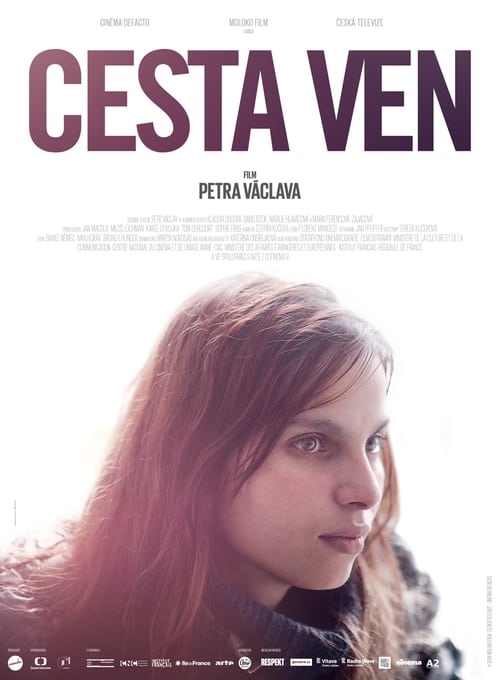
The Way Out
2014
No user ratings available yet
Representation score: 6.4 out of 10

Representation Score
Fair
1991
Director
Dorota Kędzierzawska
Runtime
81 minutes
Average Rating
No ratings yetNew Showbiz Analysis
The film functions as a social critique by focusing on the Romani community and a young female protagonist. It effectively challenges village prejudices through the girl's perspective, bringing underrepresented groups to the forefront of the narrative. However, the film does not represent LGBTQ+ identities or disabilities. Its scope is limited to ethnic and generational tensions within a specific social context. Overall, the work offers a meaningful exploration of systemic exclusion and human connection, even though its representation of identity is narrow.
Category Breakdown
The film does not include any LGBTQ+ characters or stories about sexual orientation. Instead, it focuses on ethnic and generational dynamics.
A thirteen-year-old girl is the main character who drives the moral development of the story. Her perspective challenges the traditional authority of the adult villagers.
The story centers around the Romani community, giving them depth and ability to act. It highlights systemic prejudice and the exclusionary practices of local authorities.
The film contrasts the narrow-mindedness of the village with the lived reality of the Romani camp. It portrays institutionalized social structures as forces that displace people.
There is no specific portrayal of physical or neurodivergent disabilities in the film. The focus is on social exclusion.
Present on Screen
Limited or Absent
Official Synopsis
Even in Poland today, Gypsies are viewed with profound suspicion — not that things are that much better for them anywhere else in Europe. In this coming-of-age drama, Mala, an ordinary Polish girl who is about thirteen years old, is just beginning to wake up to the world around her. When she hears the adults of the village making disparaging remarks about Gypsies, that's exactly what it takes to motivate her to go out and visit them. She has a rich and rewarding encounter, until the authorities come into their camp to drive them off. No one is harmed, and Mala's life has been changed for the better by her adventures.
2014
1966
1995

2013

1983
2017
2022

2011
No reviews yet. Be the first to share your thoughts on this movie!
Use the rating form above to leave a star rating and optional review.