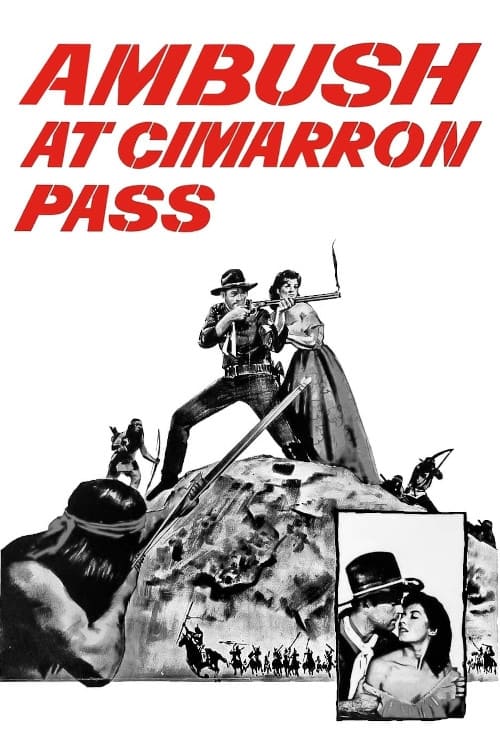
Ambush at Cimarron Pass
1958
No user ratings available yet
Representation score: 0.6 out of 10
Representation Score
Minimal
1957
ApprovedDirector
Lesley Selander
Runtime
73 minutes
Average Rating
No ratings yetNew Showbiz Analysis
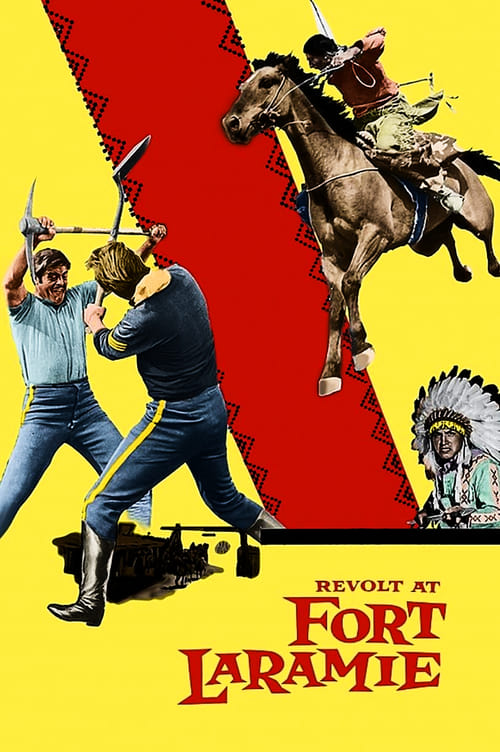
Revolt at Fort Laramie is a typical mid-century Western that reinforces established social and racial hierarchies. The narrative emphasizes institutional stability and military order, using a binary conflict structure that does not question historical power dynamics. The film operates within a traditional framework where the male protagonists have the most influence. Indigenous presence is used primarily as a catalyst for conflict, lacking any nuanced or independent characterization. Ultimately, the work serves as a historical baseline for the genre, adhering to the conventional clichés of 1950s studio filmmaking by highlighting duty and the defense of frontier outposts.
Category Breakdown
The film does not include any LGBTQ+ characters or explore non-cisgender identities. It portrays a traditional social setting without any hints of diverse sexual orientations.
Male characters hold the majority of leadership roles and engage in physical confrontations. Female characters are confined to supportive roles, mainly serving domestic or romantic purposes for the male leads.
The cast is largely uniform, reflecting the 1950s Western standard. The Sioux are portrayed through antagonist clichés, serving as a collective threat rather than characters with independent ability to act.
The story upholds traditional Western institutional values such as military discipline and patriotism. It supports organized authority and the preservation of the status quo without questioning its moral foundations.
There is no representation of physical or neurodivergent disabilities. Characters are shown almost exclusively as able-bodied participants in the military and survivalist plot.
Present on Screen
Limited or Absent
Official Synopsis
At the breaking of the Civil War the garrison of Fort Laramie splits between the sympathezers of the two different factions, but when the fort is attacked by the Sioux, they unite their forces to fight them.
1958
1965
1954
1970
1912
1970
1957
1965
No reviews yet. Be the first to share your thoughts on this movie!
Use the rating form above to leave a star rating and optional review.