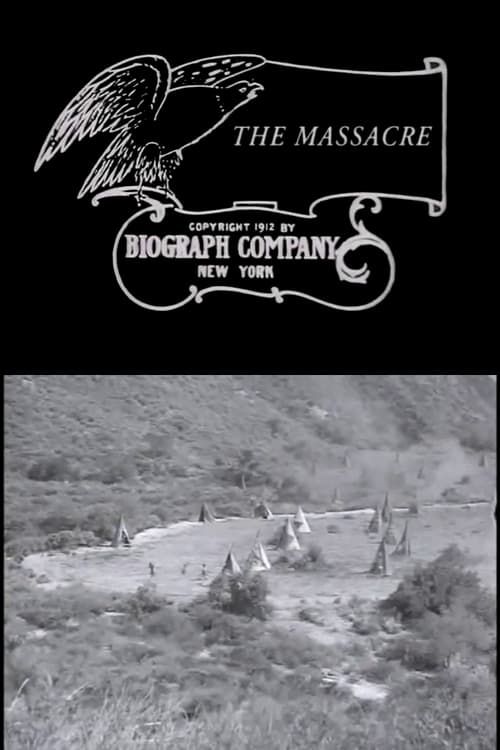
The Massacre
1912
No user ratings available yet
Diversity score: 1.6 out of 10
1954
NRDirector
Rudolph Maté
Runtime
86 minutes
Average Rating
No ratings yetSynopsis
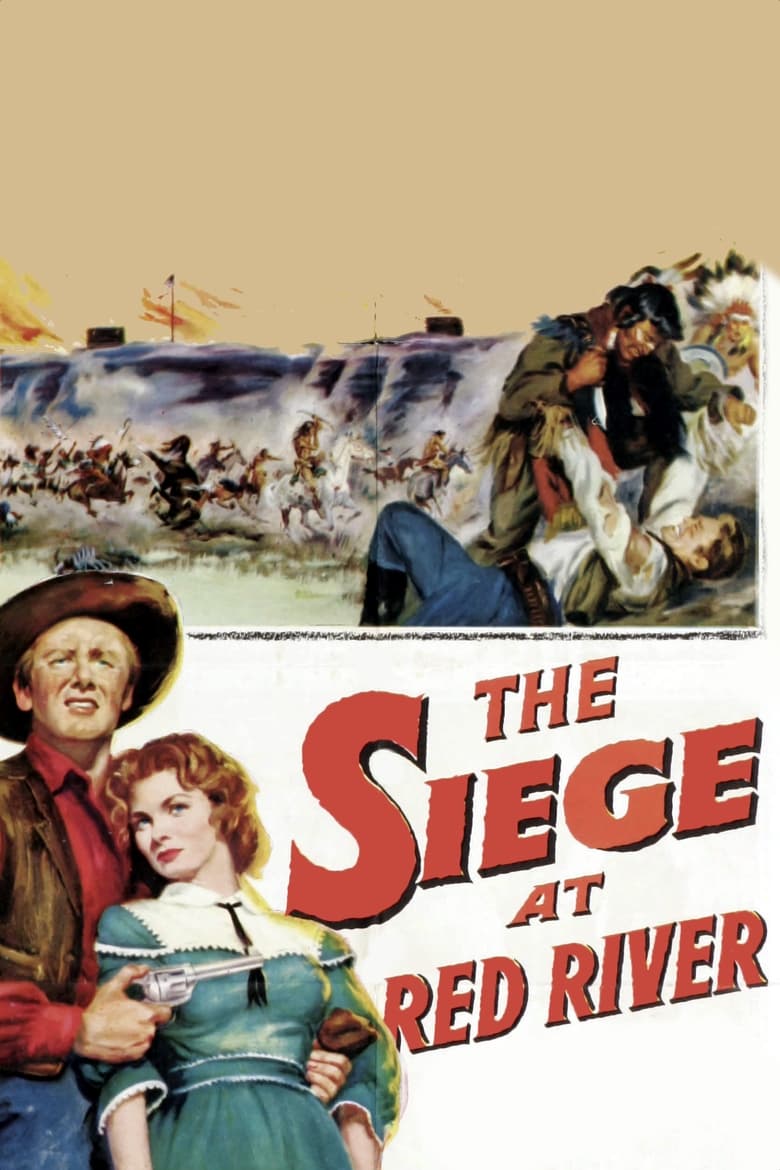
Cavalry Captain Farraday attempts to prevent the delivery of Gatling Guns into the hands of hostile Indians.
Overall Score
Minimal
Category Breakdown
LGBTQ+ Representation
The film maintains a strictly heteronormative structure. There are no depictions of non-cisnormative identities or same-sex intimacy within the narrative.
Gender Representation
Agency is concentrated entirely within the male military hierarchy. Female presence is minimal and peripheral, reinforcing traditional gender hierarchies.
Racial & Ethnic Diversity
The story utilizes a traditional Western binary. White cavalry soldiers serve as protagonists, while the Comanche people are positioned as the primary antagonists.
Religious & Cultural Diversity
The plot explores tensions between military duty and humanitarian ethics. However, the framework remains rooted in defending Western military objectives.
Disability Representation
There is no discernible presence of characters with visible or invisible disabilities. Disability is not utilized as a narrative device.
Strengths
Areas for Improvement
AI Analysis
The Siege at Red River is a conventional mid-century Western that adheres to the social and cinematic constraints of 1954. The narrative prioritizes established hierarchies of gender and race, focusing on a masculine military environment. While the film introduces moral complexity regarding the ethics of warfare and military duty, it does not disrupt dominant demographic norms. The conflict is framed through historical duty rather than a critique of colonial structures. Ultimately, the film functions as a genre-standard action piece. It lacks representation for LGBTQ+ identities, women, and people with disabilities, reflecting the era's standard of exclusion.
No reviews yet. Be the first to share your thoughts on this movie!
Use the rating form above to leave a star rating and optional review.