
Timbuktu
1958
No user ratings available yet
Representation score: 1.2 out of 10

Representation Score
Minimal
1953
NRDirector
Lesley Selander
Runtime
78 minutes
Average Rating
No ratings yetNew Showbiz Analysis
Fort Algiers is a classic example of mid-century adventure cinema, emphasizing traditional genre formulas over social complexity. The narrative reinforces the status quo by focusing on the perspectives of military and colonial authorities in Northwest Africa. Representation is limited by the era's conventions, with a strong emphasis on masculine leadership and a colonial lens that treats local populations as secondary to the central conflict.
Category Breakdown
The film does not include any LGBTQ+ characters or narratives. It follows traditional structures typical of 1953 cinema.
The story is dominated by a male-centric military structure where male characters drive the plot, while female characters have limited roles.
The film uses a colonial framework where indigenous characters play a secondary role, serving mainly as catalysts for conflict.
The movie highlights the stability of established institutions and supports the authority of ruling powers.
There is no documented evidence regarding the portrayal of physical or neurodivergent disabilities in this production.
Present on Screen
Limited or Absent
Official Synopsis
In northwest Africa, a tribal leader tries to stir up a rebellion against the ruling powers.
1958
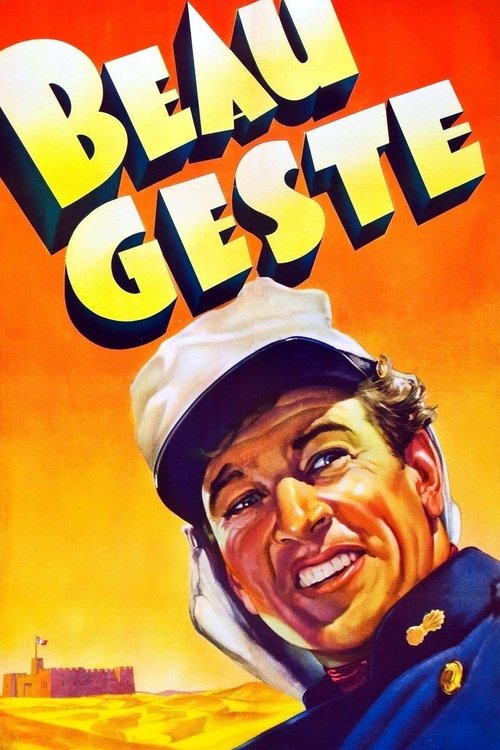
1939
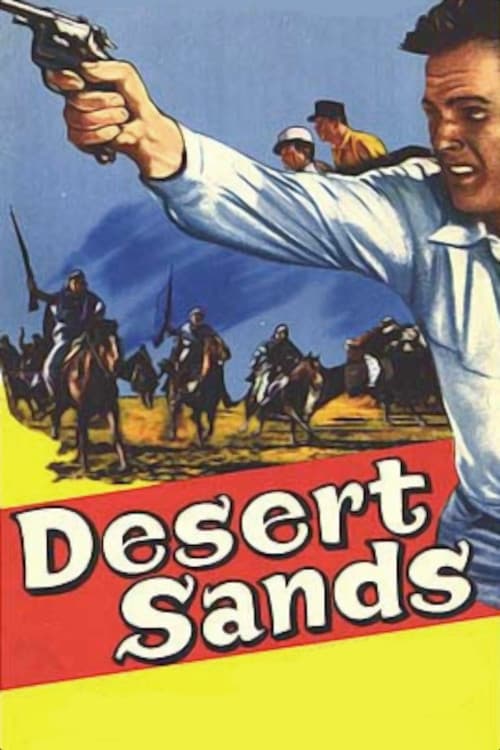
1955
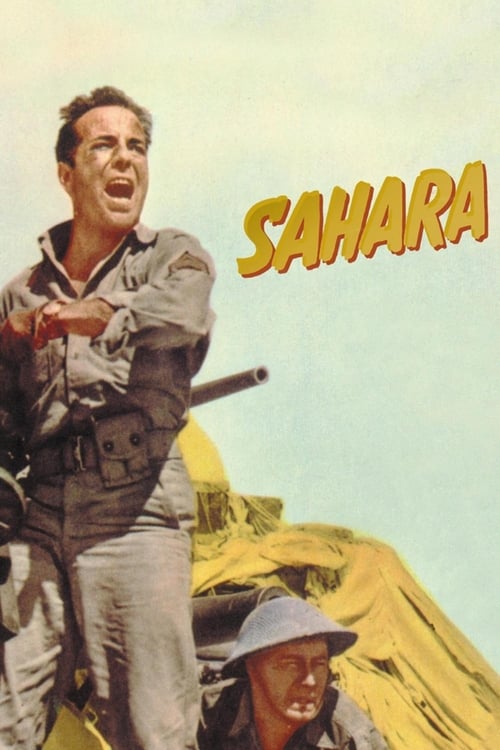
1943
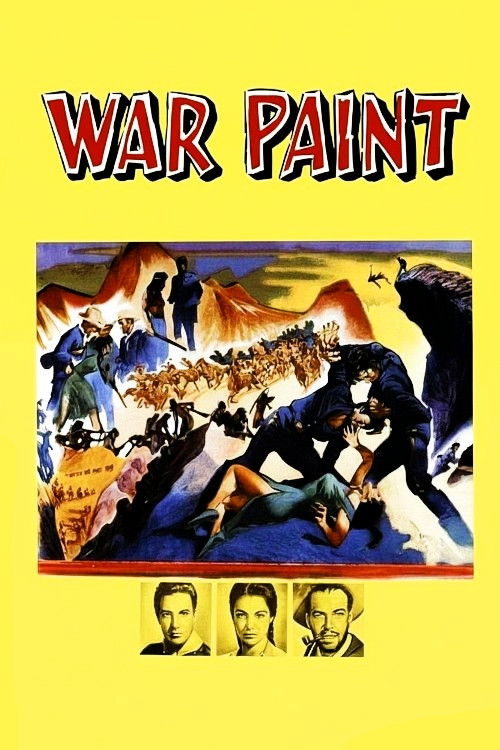
1953
1977
1951

1966
No reviews yet. Be the first to share your thoughts on this movie!
Use the rating form above to leave a star rating and optional review.