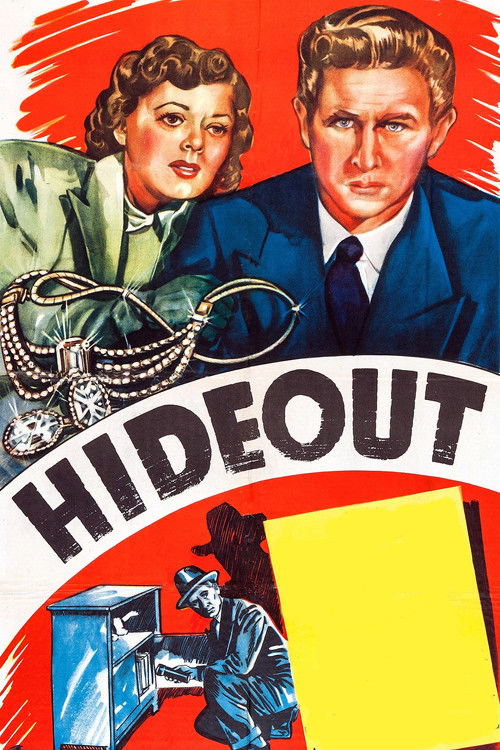
Hideout
1949
No user ratings available yet
Diversity score: 2.4 out of 10
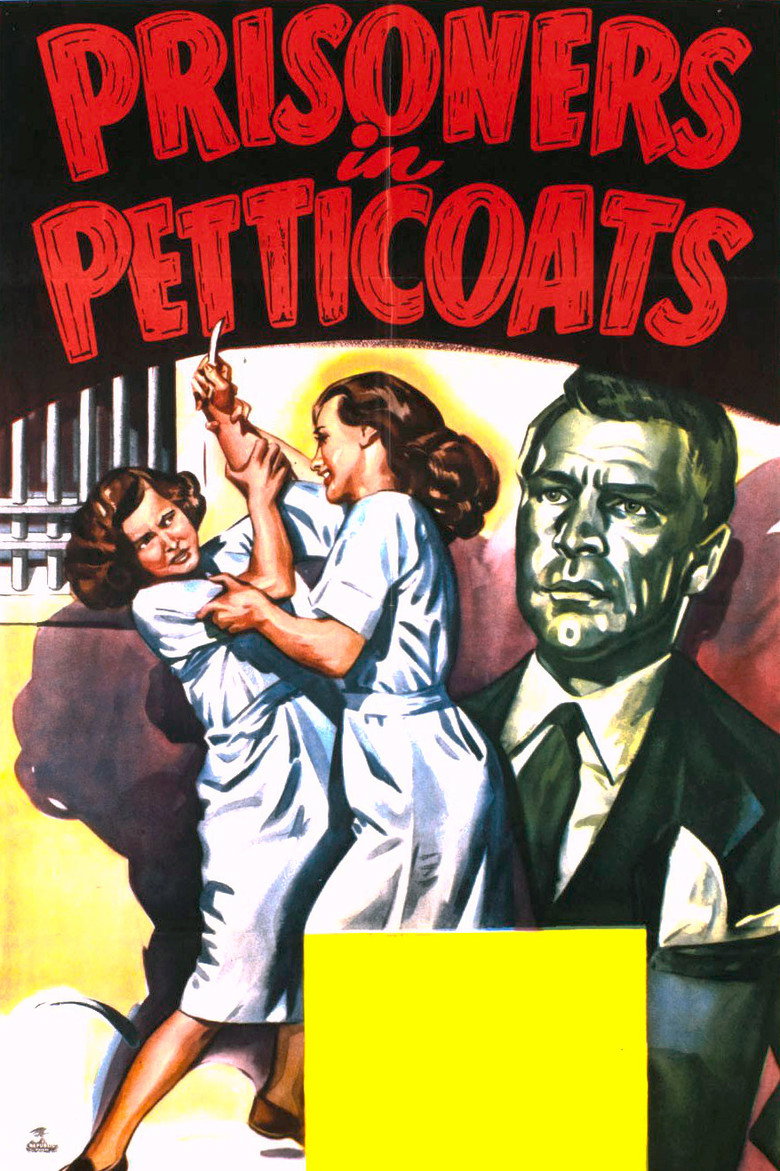
1950
PassedDirector
Philip Ford
Runtime
60 minutes
Average Rating
No ratings yetSynopsis
Joan Grey is a young pianist that falls for the good manners and nice clothes of a gang of mobsters. She is warned by Mark Hampton, an investigator, that she is associating with gangsters and she is heading for trouble. She refuses to believe him and becomes innocently involved in some robberies and killings.
Overall Score
Minimal
Category Breakdown
LGBTQ+ Representation
The film focuses on heterosexual romantic attraction between Joan Grey and a group of mobsters. It lacks any evidence of non-cisnormative identities or critiques of heteronormativity.
Gender Representation
Joan Grey is a central figure, yet her agency is undermined by her naivety and involvement in crime. Male characters occupy the dominant roles of authority and active threat.
Racial & Ethnic Diversity
The narrative provides no indication of a multi-ethnic cast. It likely centers on a homogeneous demographic consistent with 1950s crime cinema casting practices.
Religious & Cultural Diversity
The story reinforces Western moral binaries through a cautionary tale format. It pits the surface-level respectability of criminals against the legal authority of an investigator.
Disability Representation
There is no mention of characters with visible or invisible disabilities in this production.
Strengths
Areas for Improvement
AI Analysis
Prisoners in Petticoats functions as a standard mid-century crime drama that adheres strictly to the social hierarchies of its era. The narrative relies on traditional tropes, centering on a female protagonist whose primary role is one of vulnerability rather than strength. The film lacks meaningful representation of marginalized identities. It operates within a narrow moral framework that reinforces established social orders and conventional gendered power dynamics. Ultimately, the work offers a homogeneous view of society, providing little room for diverse perspectives or non-traditional identities.
1949

1950

1951
1935
1947
1939
1950
1941
1930

1957
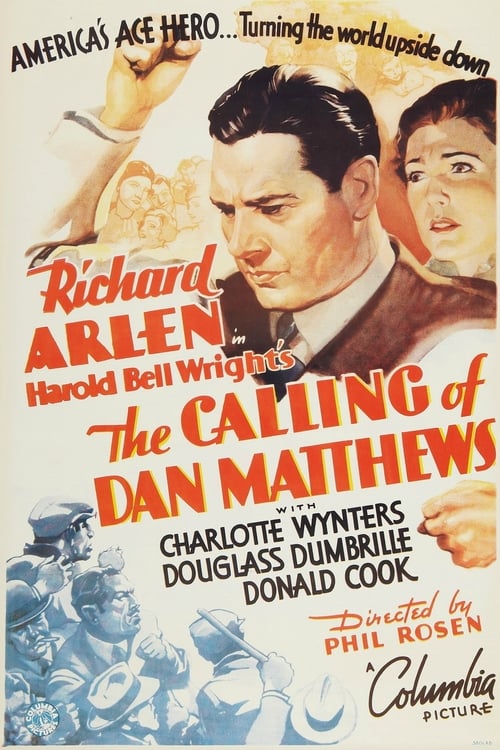
1935
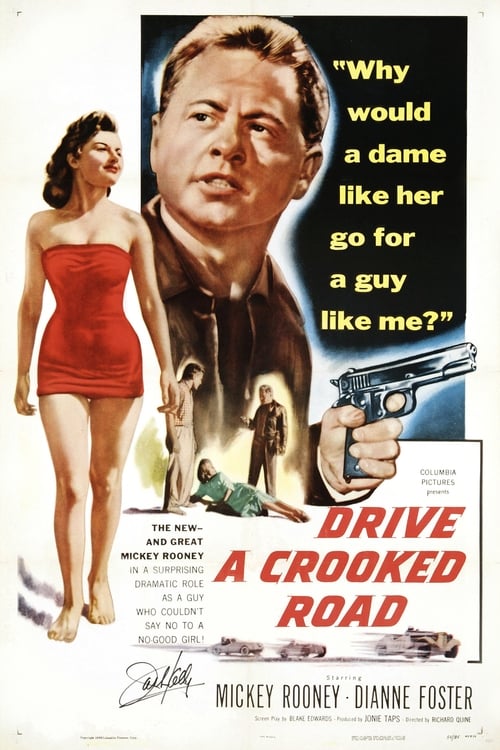
1954
No reviews yet. Be the first to share your thoughts on this movie!
Use the rating form above to leave a star rating and optional review.