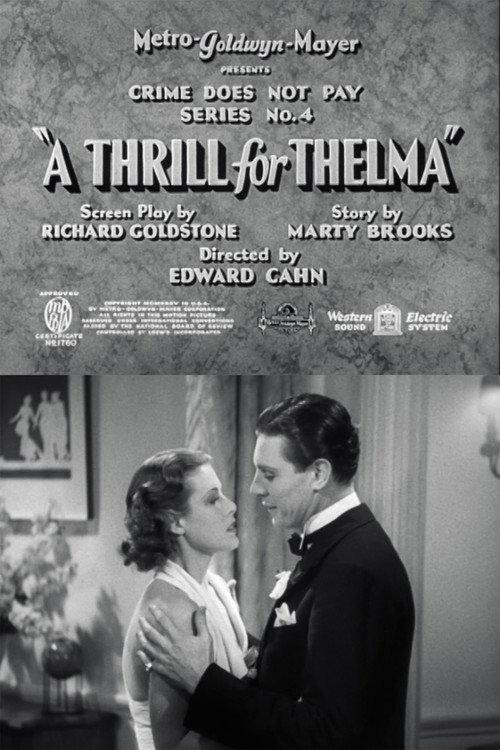
A Thrill for Thelma
1935
No user ratings available yet
Representation score: 1.1 out of 10
Representation Score
Minimal
1939
ApprovedDirector
Roy Rowland
Runtime
21 minutes
Average Rating
No ratings yetNew Showbiz Analysis
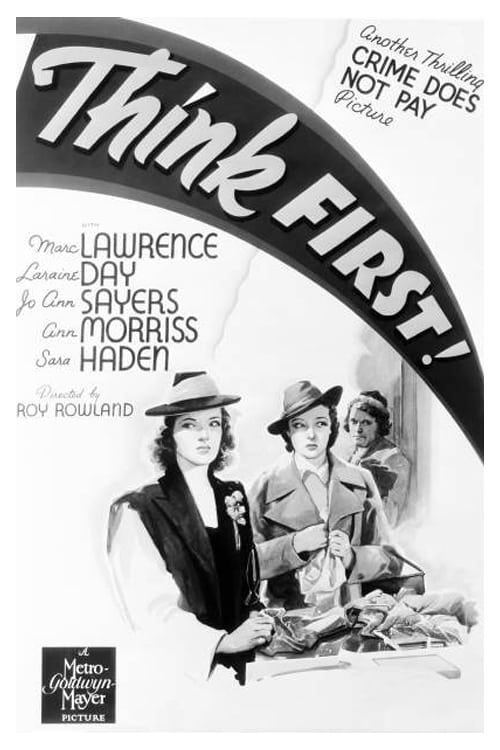
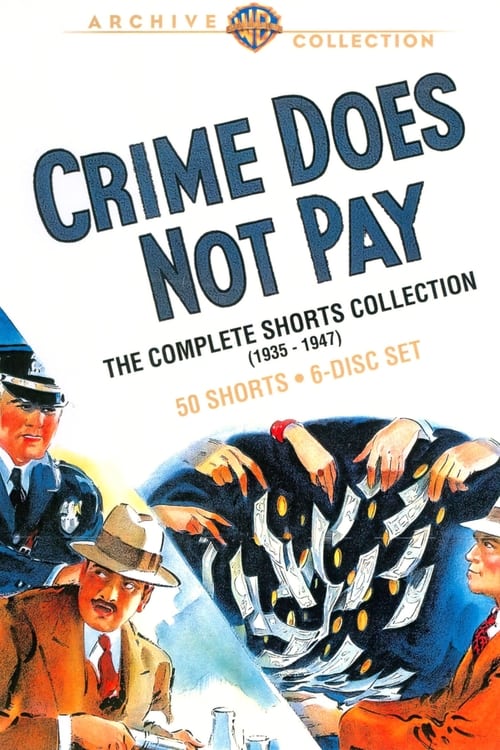
Think First is a classic morality play from the Crime Does Not Pay series. It primarily functions to reinforce social hierarchies and legal consequences rather than to explore diverse human experiences. The narrative structure is designed to punish characters who deviate from established social norms. While the film features a female protagonist who drives the central plot, her ability to act is framed through a lens of consumerist vulnerability. This approach uses her character to warn against the dangers of social climbing through illegal means, ultimately serving a conservative social agenda. Overall, the film lacks meaningful representation of underrepresented groups. It adheres to the era's standard of homogeneous casting and focuses on upholding the existing status quo through a rigid, didactic storytelling style.
Category Breakdown
The film does not include any visible LGBTQ+ characters or non-cisgender identities. The story centers around the protagonist's struggle with material temptations and criminal actions.
Margie Smith stands out as a rare example of female-driven ability to act in this crime drama. However, her motivations are tied to feminine concerns about social status and appearance.
The production follows the homogeneous casting standards of 1939. There is no evidence of a diverse or multi-layered cast within the narrative.
The film serves as a didactic tool for traditional morality. It emphasizes the importance of law and social order through a cautionary, instructional framework.
There are no characters identified as having visible or invisible disabilities. The narrative does not address disability representation.
Present on Screen
Limited or Absent
Official Synopsis
Episode 24 of the Crime Does Not Pay series. Margie Smith (Laraine Day) works as a waitress at a drive in restaurant. She likes to date and look nice but on her salary, she can't keep up with everyone else. However, a friend shows her that stealing is easy, cool and lets you dress like success. At first, it works out just fine, but remember--this is a Crime Does Not Pay film and you KNOW she'll soon get caught and prosecuted.
1935
1933
1950

1959
1944
1930
1950

1951
No reviews yet. Be the first to share your thoughts on this movie!
Use the rating form above to leave a star rating and optional review.