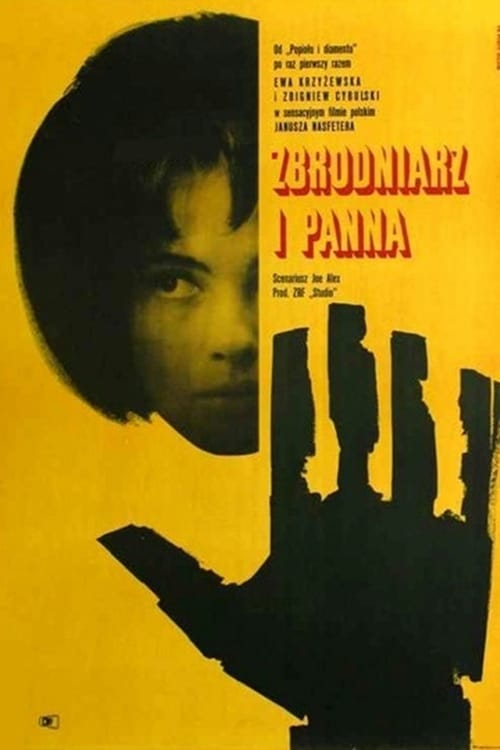
The Criminal and the Lady
1963
No user ratings available yet
Diversity score: 3.2 out of 10
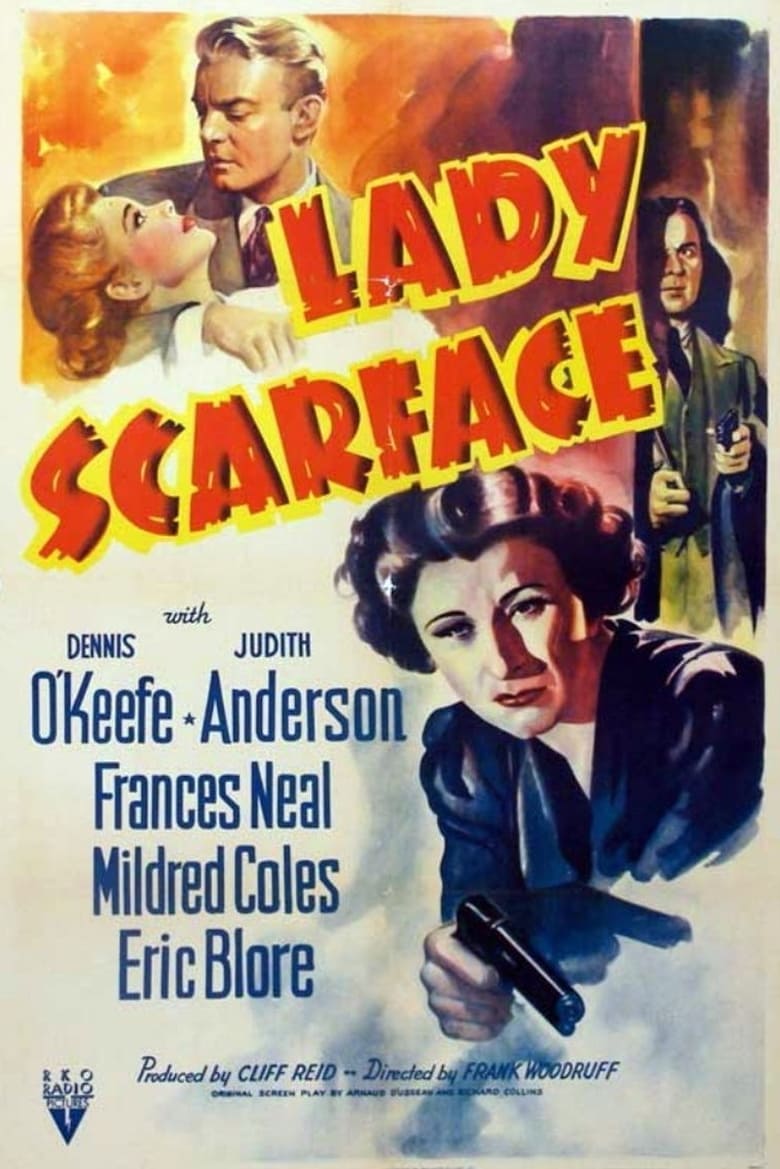
1941
Director
Frank Woodruff
Runtime
66 minutes
Average Rating
No ratings yetSynopsis
A Chicago gang led by Slade carries out an audacious brokerage robbery. Lieutenant Bill Mason takes the case, continuing his friendly-enemy relationship with crime reporter Ann Rogers. One gang member is caught; eventually, others follow. But Mason hasn't a clue to Slade, principally because he's unaware she's a woman.
Overall Score
Limited
Category Breakdown
LGBTQ+ Representation
The film lacks non-heteronormative identities or narratives that critique heteronormativity. The central dynamic between Bill Mason and Ann Rogers follows a traditional romanticized crime trope.
Gender Representation
Slade subverts gender hierarchies by leading a criminal enterprise. However, the plot relies on Mason's ignorance of her gender, framing her power as a deceptive anomaly.
Racial & Ethnic Diversity
The narrative focuses on a Chicago gang and police lieutenant, settings that typically defaulted to homogeneous casting in 1941. No evidence of non-white agency is present.
Religious & Cultural Diversity
The story operates within traditional 1940s moral frameworks. It reinforces institutional order through a standard law-versus-outlaw structure rather than offering cultural critique.
Disability Representation
There is no mention of characters navigating physical, sensory, or neurodivergent conditions within the narrative.
Strengths
Areas for Improvement
AI Analysis
Lady Scarface functions as a standard 1941 crime procedural, adhering closely to the era's institutional morality and narrative structures. While it offers a slight disruption of gender norms by placing a woman at the head of a gang, this subversion is limited by the plot's reliance on her gender being a secret. The film lacks intersectional depth, offering little in the way of racial, cultural, or LGBTQ+ complexity. The focus remains strictly on the traditional conflict between law enforcement and organized crime, reinforcing the status quo of the period.
1963
1929
1938
1935
1935
1930
1938
1950
1951
1950
1930
1983
No reviews yet. Be the first to share your thoughts on this movie!
Use the rating form above to leave a star rating and optional review.