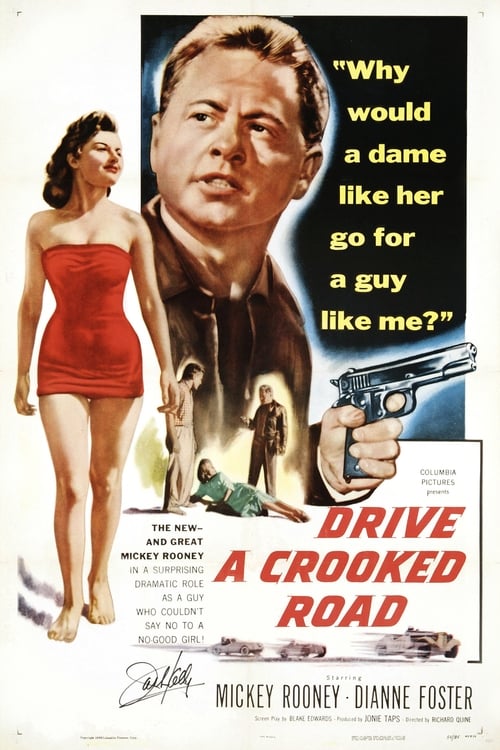
Drive a Crooked Road
1954
No user ratings available yet
Representation score: 1.0 out of 10
Representation Score
Minimal
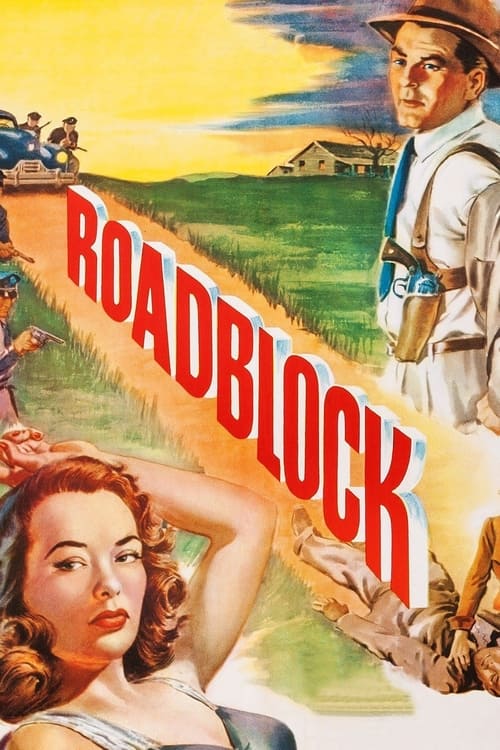
1951
NRDirector
Harold Daniels
Runtime
73 minutes
Average Rating
No ratings yetNew Showbiz Analysis
Roadblock is a typical mid-century crime drama that adheres to the social norms of 1951. The narrative relies on well-established archetypes and does not attempt to challenge or subvert these norms. The film focuses on a traditional romantic and transactional dynamic, with character motivations driven by era-specific clichés. Ultimately, the production reflects the Anglo-centric norms and traditional Western morality of its time without offering meaningful representation for underrepresented groups.
Category Breakdown
The film follows traditional heterosexual norms and does not include any queer subtext or diverse gender identities.
Female characters are portrayed through material desire and consumerism, which limits their ability to act independently of the male lead.
The film features a homogeneous cast and lacks characters of color with substantial roles or influence.
The story upholds traditional Western morals, serving as a cautionary tale about greed and societal order.
There is no discernible evidence regarding the portrayal of physical or neurodivergent disabilities in this crime narrative.
Present on Screen
Limited or Absent
Official Synopsis
An insurance agent's greedy girlfriend with a taste for mink leads him to a life of crime.
1954
1949
1956
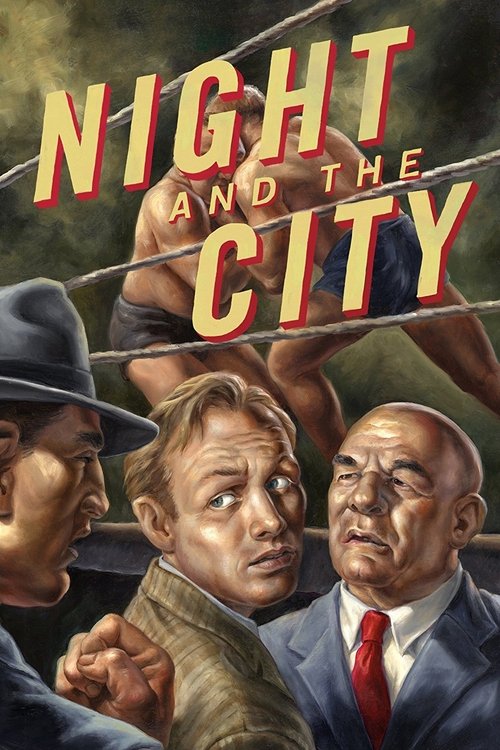
1950
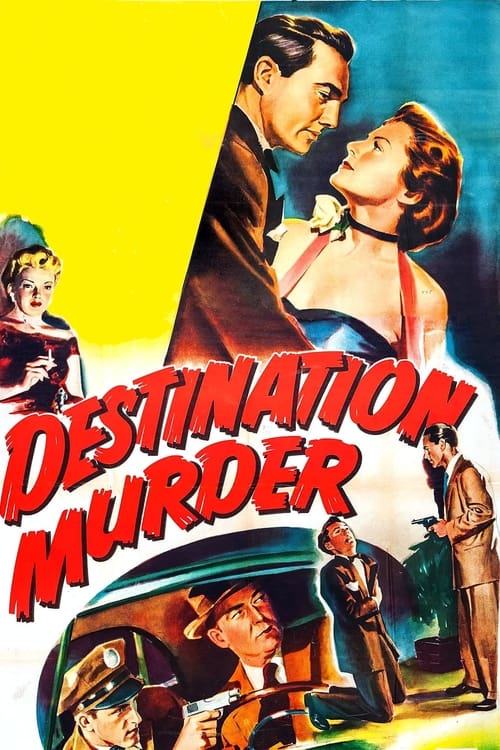
1950
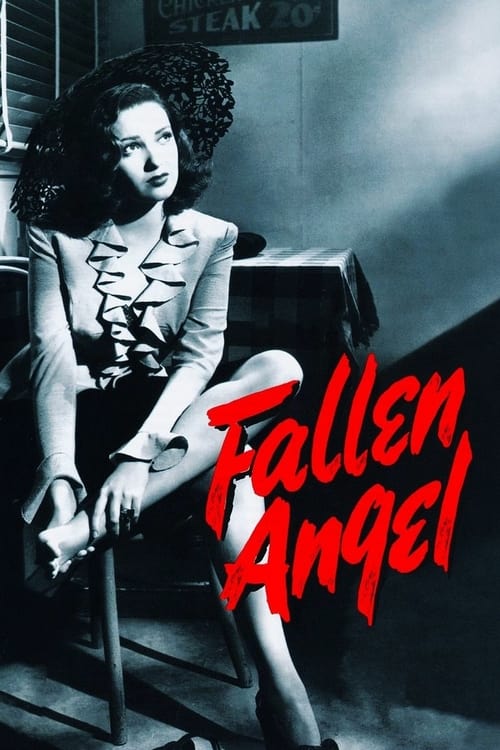
1945
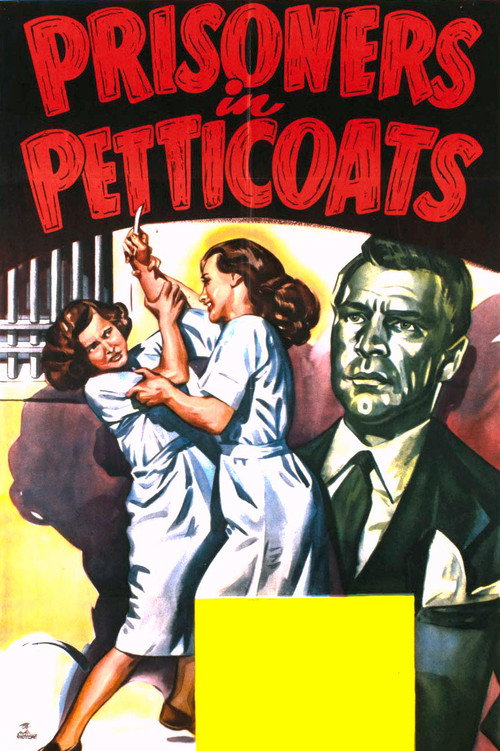
1950
1937
No reviews yet. Be the first to share your thoughts on this movie!
Use the rating form above to leave a star rating and optional review.