
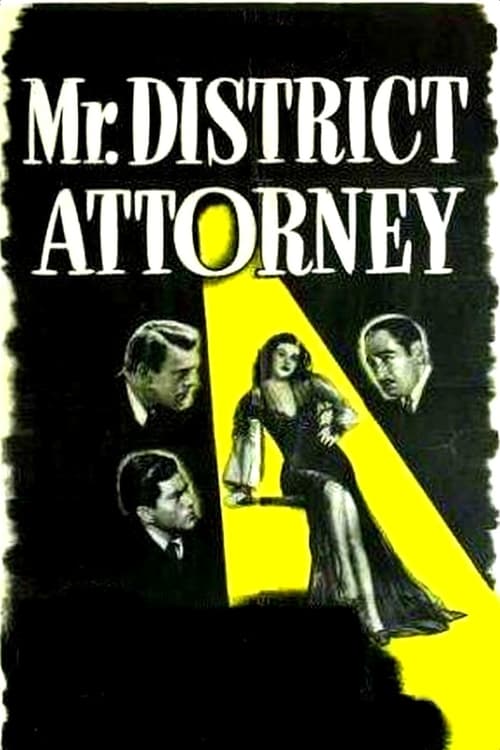
Mr. District Attorney
1941
No user ratings available yet
Representation score: 0.6 out of 10
Representation Score
Minimal
1947
NRDirector
Robert B. Sinclair
Runtime
81 minutes
Average Rating
No ratings yetNew Showbiz Analysis
Mr. District Attorney is a conventional crime procedural that focuses on reinforcing established social and legal hierarchies. The film adheres to mid-century cinema conventions, emphasizing the preservation of social norms rather than challenging them. The narrative structure centers on traditionalist themes, such as male authority and the legitimacy of state institutions. This results in a lack of diverse representation and a focus on Anglo-Saxon-centric views of law and order. Ultimately, the film fails to represent LGBTQ+ individuals and those with disabilities. It offers a narrow perspective of society aligned with the institutional stability valued in 1947.
Category Breakdown
The film does not include any LGBTQ+ characters or narratives. It adheres to the heterosexual and cisgender norms typical of 1947 crime dramas.
Male authority figures dominate the story, particularly in law enforcement roles. A central female character primarily serves as a catalyst for the male protagonist’s investigation.
The film reflects the homogeneous casting practices of its time. There is no significant racial diversity or multi-layered casting in the urban setting.
The narrative emphasizes traditional Western institutions and the legitimacy of legal authority. It upholds mid-century values of institutional stability and the rule of law.
There are no characters with visible or invisible disabilities portrayed with ability to act. Disability is not used as a narrative element in the film.
Present on Screen
Limited or Absent
Official Synopsis
An assistant district attorney gets mixed-up with a woman who is working for the group that he is investigating.
1941

1946

1949

1948

1934

1951

1955

1944
No reviews yet. Be the first to share your thoughts on this movie!
Use the rating form above to leave a star rating and optional review.