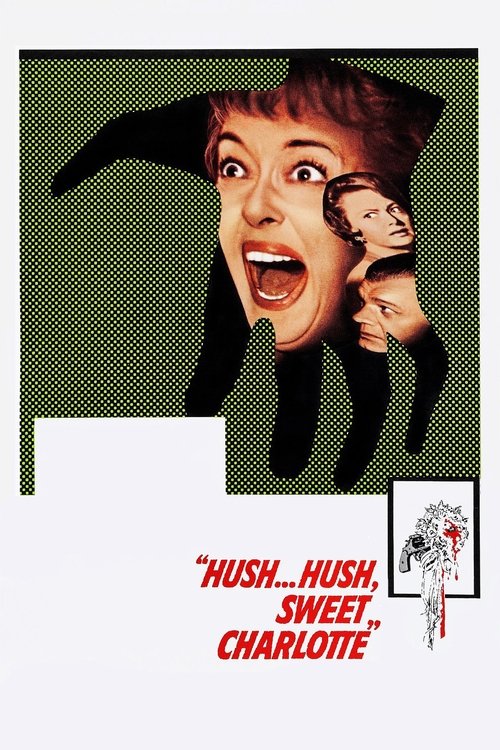
Hush... Hush, Sweet Charlotte
1964
No user ratings available yet
Representation score: 4.8 out of 10
Representation Score
Limited
1944
ApprovedDirector
Gunther von Fritsch, Robert Wise
Runtime
70 minutes
Average Rating
No ratings yetNew Showbiz Analysis
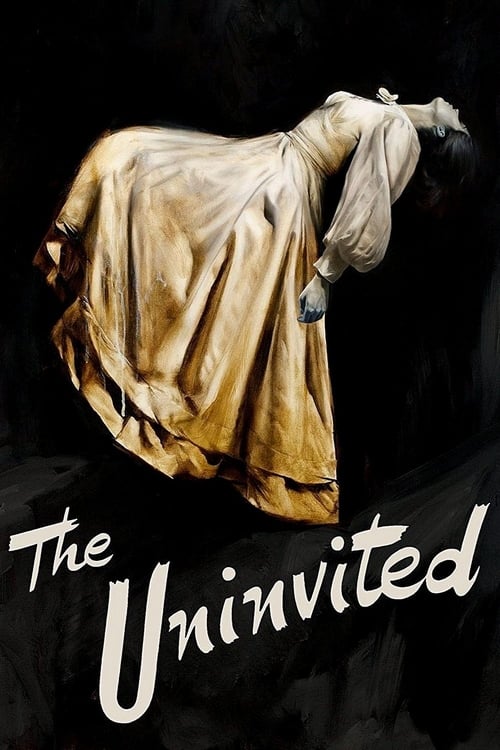
The film is a character-driven psychological fantasy that centers on the internal experiences of its young female protagonist. This focus on Amy's subjective reality provides a level of psychological depth uncommon for 1940s studio productions. However, the work remains constrained by the era's social norms. It lacks intentional characters who reflect more than one aspect of diversity, presenting a homogeneous cast and traditional familial structures without exploring diverse identities or systemic power dynamics. Ultimately, the film's strength lies in its atmospheric exploration of isolation and neurodivergent behavior, even as it fails to engage with broader cultural or racial diversity.
Category Breakdown
The film does not include any LGBTQ+ characters or explore non-traditional family structures. The interpersonal dynamics center around a child's relationship with a mythical figure and a conventional family setup.
The story focuses on the internal thoughts and feelings of Amy, a young female protagonist. While it offers a detailed look at her inner life, it does not challenge traditional gender roles or hierarchies.
The cast is uniform, reflecting the limitations of 1940s cinema. There is no indication of diverse ethnic identities or color-blind casting within the main storyline.
The film emphasizes psychological realism rather than social or religious critique. It portrays detachment from authority as a form of childhood loneliness, avoiding broader systemic critiques.
Amy’s intense social isolation and fascination with fantasy worlds offer a sophisticated portrayal of neurodivergent behavior. The narrative delves into her subjective reality without reducing these traits to mere plot devices.
Present on Screen
Limited or Absent
Official Synopsis
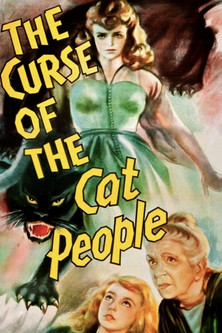
Amy, the young, friendless daughter of Oliver and Alice Reed, befriends her father's late first wife and an aging, reclusive actress.
1964
1942
1971
1934
1943
1944

2016
1943
No reviews yet. Be the first to share your thoughts on this movie!
Use the rating form above to leave a star rating and optional review.