
4 Dollars of Revenge
1966
No user ratings available yet
Representation score: 1.8 out of 10
Representation Score
Limited
1967
RDirector
Enzo G. Castellari
Runtime
99 minutes
Average Rating
No ratings yetNew Showbiz Analysis
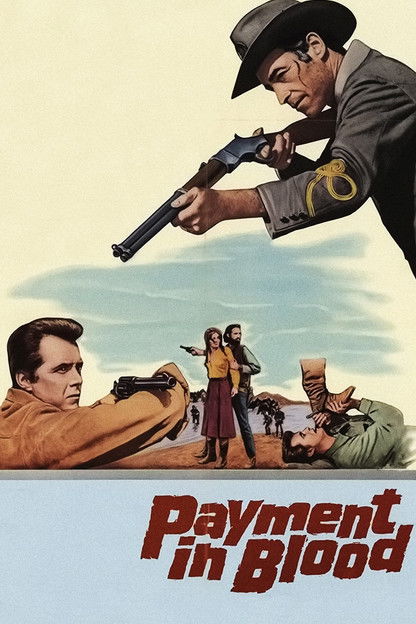
Payment in Blood is a classic Spaghetti Western that emphasizes kinetic action and traditional masculine hierarchies. While it includes non-Anglo characters and explores ethnic tension, it falls short in providing meaningful representation for women or LGBTQ+ individuals. The film's strength lies in its introduction of non-Anglo perspectives and its exploration of ethnic identity through the US-Mexico border. However, it lacks the multi-layered depth needed for a more progressive score.
Category Breakdown
The film does not include any representation of LGBTQ+ identities or non-cisgender characters. It focuses on a traditional masculine storyline centered around survival and gold, without any queer symbolism.
Male characters such as Chamaco and Stuart Byrnes dominate the narrative ability to act. Female characters do not have significant intellectual or physical roles.
Chamaco's character brings a non-Anglo perspective, possibly indicating Latin American or Mestizo heritage. The story's setting along the US-Mexico border highlights ethnic tension.
The film draws on the gold rush mythology and moral ambiguity typical of Spaghetti Westerns. It subtly questions traditional morality by showing institutions as potentially corrupt or ineffective.
The film does not depict any characters with physical or neurodivergent disabilities.
Present on Screen
Limited or Absent
Official Synopsis
Chamaco finds himself on the wrong end of a firing squad after tracking an ex-Confederate to interrogate him about General Beauregard's missing gold. He's saved by a stranger who calls himself Stuart Byrnes. Stuart claims to know the location of Beauregard's strongbox, and so Chamaco takes him to Blake's camp. After a sort of initiation by the gang, Stuart leads Blake's men back across the border to Durango to retrieve the gold.
1966
1969
1971

1967
1971
1967
1967
1973
No reviews yet. Be the first to share your thoughts on this movie!
Use the rating form above to leave a star rating and optional review.