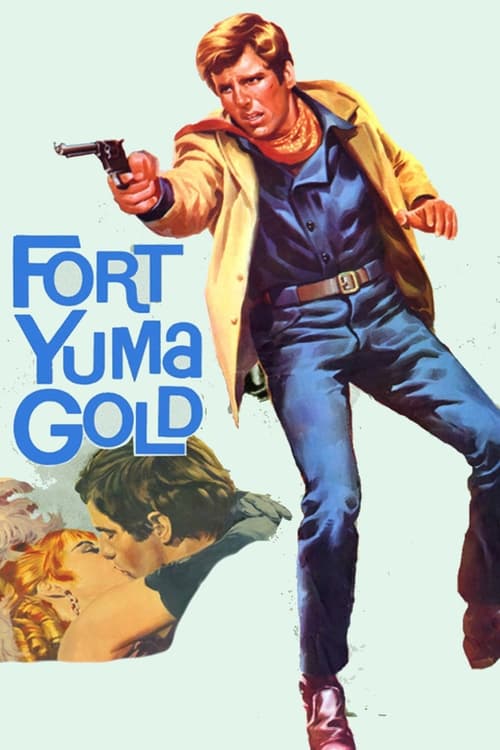
Fort Yuma Gold
1966
No user ratings available yet
Representation score: 3.8 out of 10
Representation Score
Limited
1968
RDirector
Enzo G. Castellari
Runtime
100 minutes
Average Rating
No ratings yetNew Showbiz Analysis
Enzo G. Castellari’s film is a kinetic genre exercise that prioritizes survivalism and tension over social representation. It functions as a cynical deconstruction of the American Western, replacing traditional heroism with moral ambiguity and self-interest. While the film avoids the idealized patriotism of Hollywood Westerns, it does not intentionally disrupt social hierarchies. The narrative remains anchored in the masculine-coded frameworks typical of 1960s action-war cinema. Ultimately, the work offers a stylistic departure from traditional myths but lacks depth regarding gender, race, or identity-driven narratives.
Category Breakdown
The film does not include any documented LGBTQ+ characters or narratives. It focuses on the conventional gender dynamics of the 1968 era, emphasizing masculine-coded conflicts.
The film focuses on male characters within a prisoner and guard dynamic, with little evidence of female characters having high ability to act or subverting traditional roles.
While the Civil War setting engages with racial tension, representation often serves as a backdrop for violence. The plot prioritizes individualist motives over complex racial issues.
The film deconstructs Western myths by replacing righteous lawmen with morally relativistic characters. It uses the Civil War setting to highlight systemic chaos rather than nationalistic ideals.
There is no evidence that disability, neurodivergence, or chronic illness plays a role in the character arcs or plot progression.
Present on Screen
Limited or Absent
Official Synopsis
During the American Civil War, a Confederate prisoner, Clyde McKay, attempts to steal a box of gold from a Union prison camp. He is aided by a group of prisoners and a prison guard but he is double-crossed along the way.
1966

1976
1955
1968
1967
1967
1966
1950
No reviews yet. Be the first to share your thoughts on this movie!
Use the rating form above to leave a star rating and optional review.