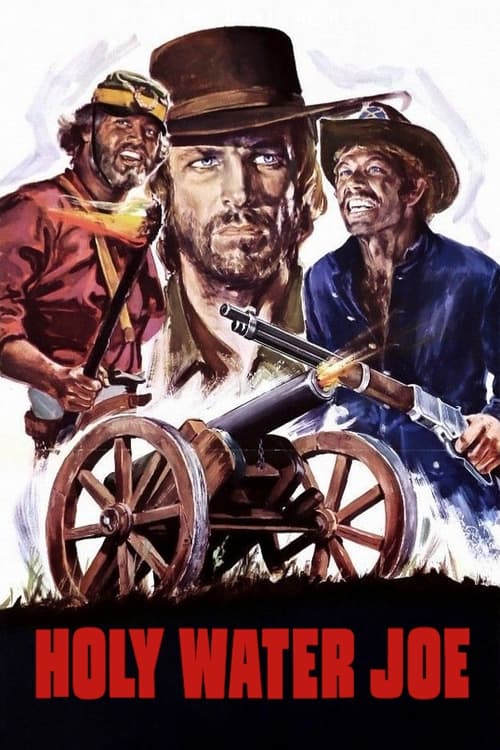
Holy Water Joe
1971
No user ratings available yet
Representation score: 3.2 out of 10
Representation Score
Limited
1971
Director
Luigi Batzella
Runtime
83 minutes
Average Rating
No ratings yetNew Showbiz Analysis
Django's Cut Price Corpses is a typical Spaghetti Western that emphasizes action over social commentary. The plot revolves around personal quests like revenge and treasure hunting. The film adheres closely to the conventions of the 1970s Western genre. It lacks the narrative tools to challenge traditional social structures or offer meaningful representation for underrepresented groups. While the setting introduces some ethnic variety, the characters mostly fit into standard genre roles from the time period.
Category Breakdown
The film does not include any LGBTQ+ characters or stories. It sticks to the typical themes of the 1971 Spaghetti Western genre, which usually doesn't explore non-binary gender identities.
The main characters are male, such as the Cortez brothers and Django. Female characters like Pedro and Dolores are shown in traditional roles like saloon owners.
The film features a Mexican border setting and characters like Pedro and Dolores, adding some ethnic diversity. However, the characters seem to follow typical genre roles rather than having deeper personal ability to act.
The story focuses on individual goals like greed and bounty hunting. It follows traditional Western morals without challenging institutions or secular ideas.
The film does not mention any characters with visible or hidden disabilities.
Present on Screen
Limited or Absent
Official Synopsis
The Cortez brothers rob a bank and flee beyond the Mexican border. On their trail are various people, each for a different reason: Sheriff Fulton is sent by the robbed bank to recuperate the money; Django, a head-hunter, is after them for the reward money; Pickwick is after a saddle stolen from him by the Cortez brothers; Pedro and Dolores, saloon owners, also would like to have the loot.
1971
1968
1970
1969

1966
1967
1966
1961
No reviews yet. Be the first to share your thoughts on this movie!
Use the rating form above to leave a star rating and optional review.