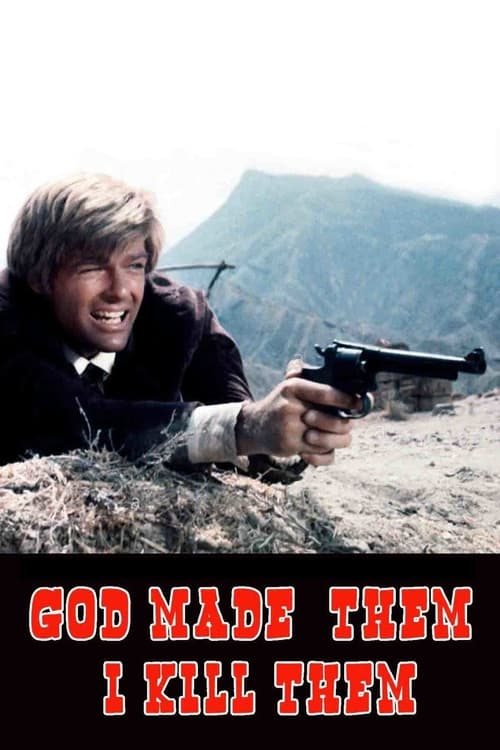
God Made Them... I Kill Them
1968
No user ratings available yet
Diversity score: 3.6 out of 10
1971
Director
Gino Mangini
Runtime
97 minutes
Average Rating
No ratings yetSynopsis
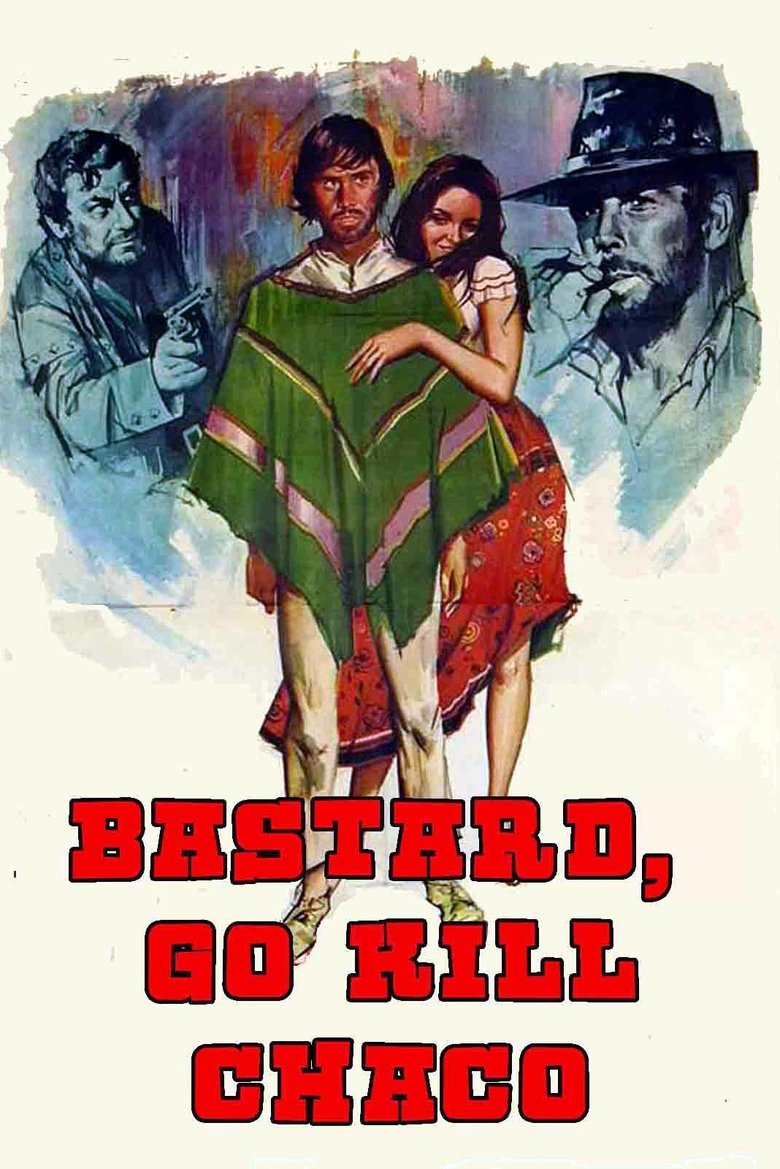
Chaco, a Mexican on the run from just about everyone, is framed for the killing of a couple of Mexican cattlemen. Everyone knows he's innocent but the evidence is substantial. Chaco escapes and with the help of a bounty hunter, goes after the real murderers.
Overall Score
Limited
Category Breakdown
LGBTQ+ Representation
The film lacks visible non-cisnormative identities or same-sex intimacy. The narrative focuses on a traditional Western pursuit between men. There is no evidence of critiques regarding heteronormativity.
Gender Representation
The story centers on a male protagonist and a male bounty hunter. It relies on conventional masculine archetypes common to the genre. There is insufficient information to assess female character roles.
Racial & Ethnic Diversity
Chaco, a Mexican protagonist, provides a departure from standard Anglo-centric Western heroes. This placement gives a person of color central agency. However, the broader ethnic makeup of the cast remains unclear.
Religious & Cultural Diversity
The plot follows a standard revenge trajectory common to Westerns. It does not appear to prioritize the deconstruction of Western institutions. No specific secularist or anti-capitalist themes are evident.
Disability Representation
There is no mention of characters with visible or invisible disabilities. The narrative does not provide data regarding neurodivergence or physical impairments.
Strengths
Areas for Improvement
AI Analysis
Bastardo, vamos a matar operates as a conventional Western that adheres to established genre expectations. While it avoids the typical Anglo-centric hero trope by centering a Mexican protagonist, it does little to disrupt broader social hierarchies. The film's strength lies in its ethnic agency, giving Chaco the power to drive the plot. However, the narrative architecture remains rooted in traditional masculine struggles and lacks complexity in gender or LGBTQ+ representation. Ultimately, the film functions as a standard justice-seeking tale. It provides moderate ethnic visibility but fails to engage with deeper cultural or social subversions.
1968
1972

1965
1965
1967
1971
1968
1966
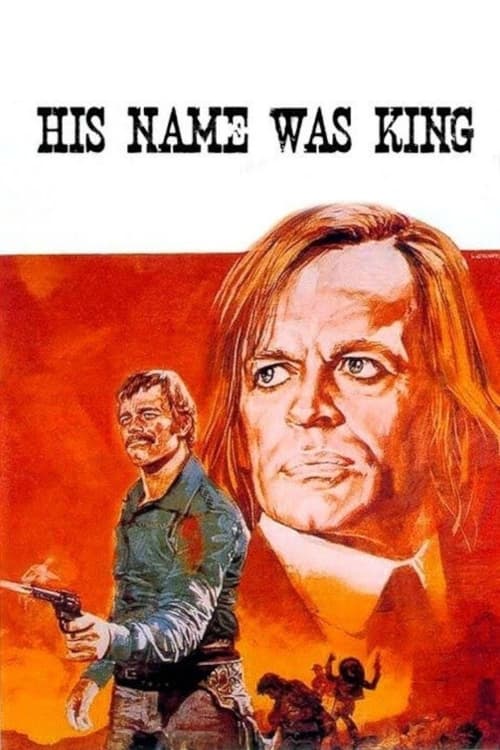
1971
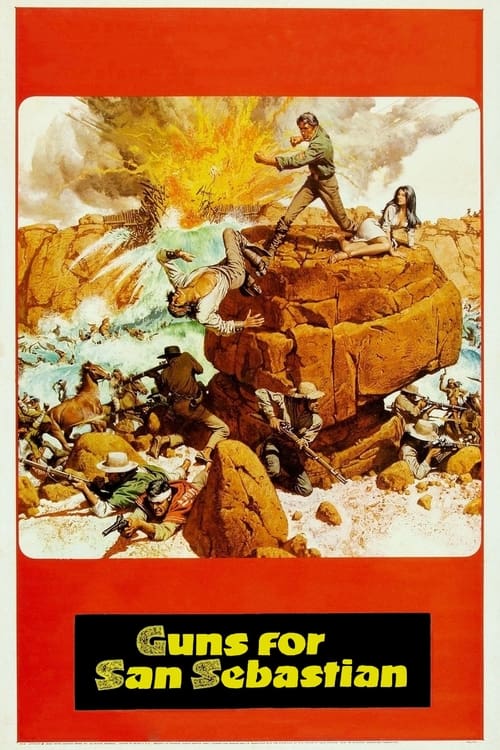
1968
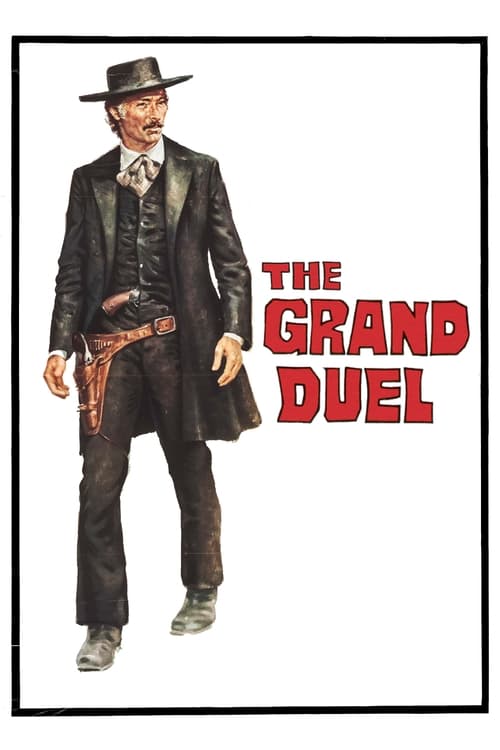
1972
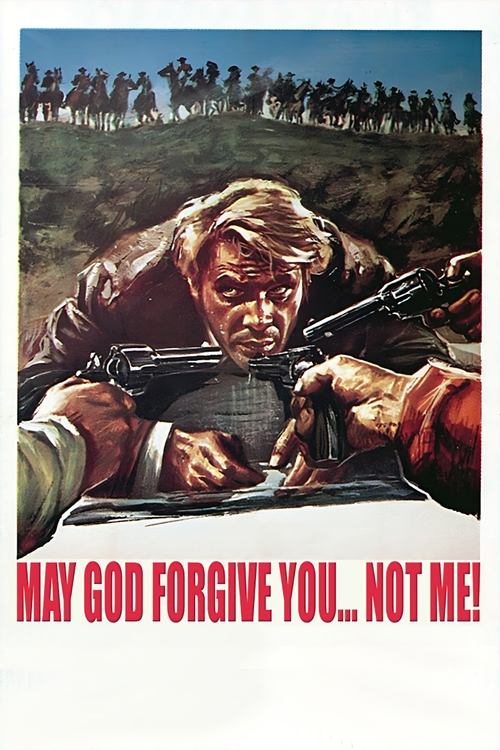
1968
No reviews yet. Be the first to share your thoughts on this movie!
Use the rating form above to leave a star rating and optional review.