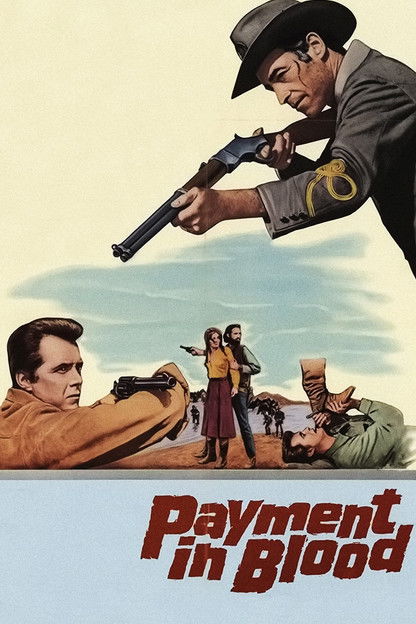
Payment in Blood
1967
No user ratings available yet
Representation score: 2.9 out of 10
Representation Score
Limited
1967
Director
Massimo Pupillo
Runtime
85 minutes
Average Rating
No ratings yetNew Showbiz Analysis
Django Kills Softly operates within the traditionalist frameworks of the Spaghetti Western. The narrative is driven by male-centric conflict and archetypal characters, leaving little room for social subversion. While the setting introduces some ethnic variety through Mexican characters and borderland themes, the character dynamics remain rooted in conventional hierarchies. Female characters and people of color appear to occupy roles defined by their utility to the male protagonist’s journey. Ultimately, the film prioritizes genre clichés such as the pursuit of gold and frontier justice over more complex or progressive representation.
Category Breakdown
The film adheres to the conventions of 1960s genre cinema, focusing on heterosexual relationships. There is no depiction of diverse sexual orientations or gender identities.
The story centers on male-driven conflict and traditional masculine roles. While Linda is a key character, her role seems functional, mainly serving to advance the plot.
The setting includes Mexican characters and borderland themes, suggesting ethnic diversity. However, the film relies on established ethnic archetypes common to the genre.
The narrative follows traditional Western themes of individualistic heroism and frontier justice. It emphasizes material wealth and territorial control without addressing systemic issues.
The film does not include any characters with visible or invisible disabilities.
Present on Screen
Limited or Absent
Official Synopsis
Django arrives in the town of Santa Anna at the behest of a man named Sanders who'd been trying to buy safe passage for his cargo from a Mexican bandit named El Santo. Django finds that Sanders has been killed and that his rival, a man named Thompson, is now trying to deal with El Santo. Django, after a brief involvement with a beautiful young widow named Linda -- who has information on a lost gold mine -- becomes entangled in this situation by agreeing to escort a shipment through El Santo's territory.
1967
1969
1967

1967
1971
1967
1966
1959
No reviews yet. Be the first to share your thoughts on this movie!
Use the rating form above to leave a star rating and optional review.