The Road to Fort Alamo
1964
No user ratings available yet
Diversity score: 3.0 out of 10
1998
Director
Gene Quintano
Runtime
94 minutes
Average Rating
No ratings yetSynopsis
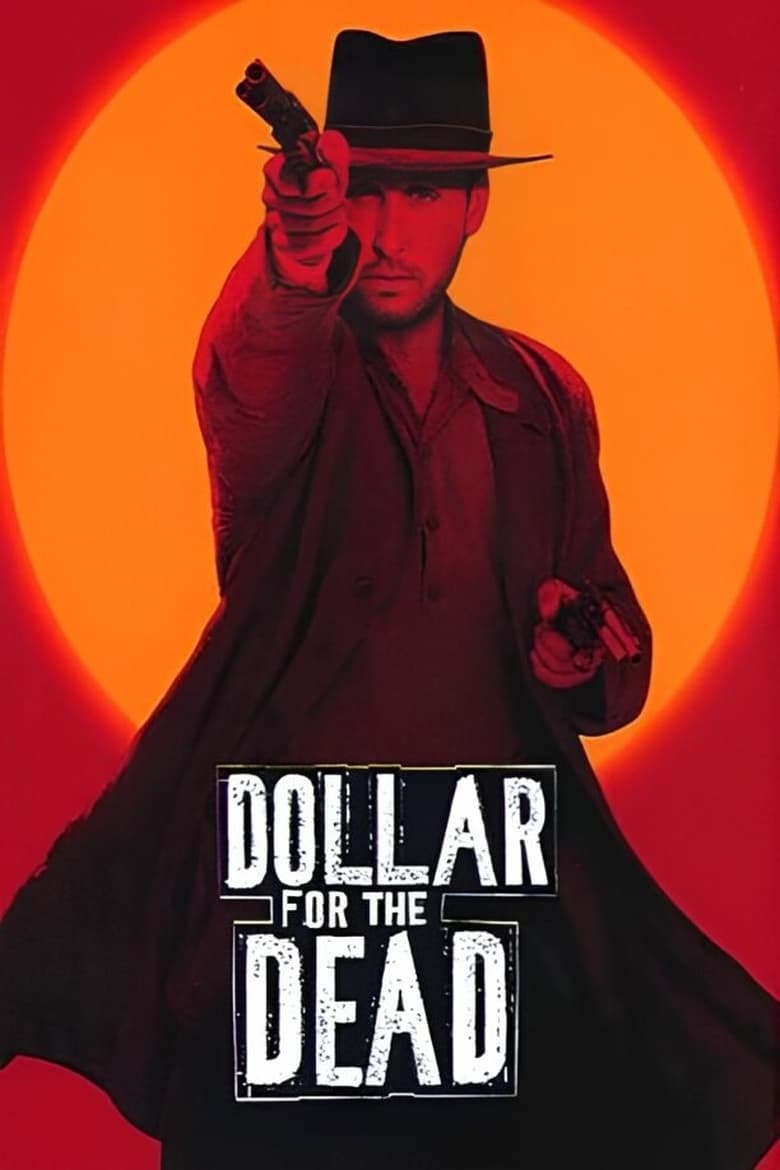
In this tribute to the old time spaghetti westerns with a liberal dose of modern Hong Kong film-making thrown in, Emilio Estevez assumes Clint Eastwood's "man with no name" role. Estevez plays a super-quick gunman on the run from a rancher (Long) and his men out to kill him for killing his son. The gunman gets mixed up with a former Confederate soldier (William Forsythe) who has knowledge of hidden gold. The only trouble is he is also pursued by Union soldiers. When they free a man (Ed Lauter) with part of the map to the gold, they then are also pursued by Spanish soldiers. It all leads to a small Mexican town terrorized by soldiers and led a by a good priest (Joaquim De Almeida) who also has knowledge of the gold.
Overall Score
Limited
Category Breakdown
LGBTQ+ Representation
The film adheres to traditional Western genre conventions. There is no evidence of non-cisnormative gender identities or depictions of same-sex intimacy within the narrative.
Gender Representation
Agency is concentrated among male protagonists and antagonists, focusing on masculine-coded power struggles. The film leans into the 'super-quick gunman' archetype rather than subverting gender hierarchies.
Racial & Ethnic Diversity
The setting includes a Mexican town and features Joaquim De Almeida. While the cast provides ethnic variety, diversity serves the plot's geography rather than deconstructing racial hierarchies.
Religious & Cultural Diversity
The story engages with historical conflicts involving Confederate, Union, and Spanish forces. A priest provides a moral anchor, though the plot focuses on individual survival and greed.
Disability Representation
There is no discernible evidence regarding the portrayal of physical or neurodivergent disabilities in this work.
Strengths
Areas for Improvement
AI Analysis
Dollar for the Dead operates as a stylistic homage to Spaghetti Westerns and Hong Kong action cinema. It prioritizes kinetic movement and genre tropes over deep sociological interrogation or intersectional character development. The narrative is built upon established frontier archetypes, such as gold hunts and vendettas. While the international cast and setting provide some ethnic variety, the film remains within the bounds of traditional, masculine-coded storytelling. Ultimately, the work lacks the intentionality required to disrupt social hierarchies. It functions primarily as a genre-driven exercise in individualist agency and historical conflict.
1964
1970
1967
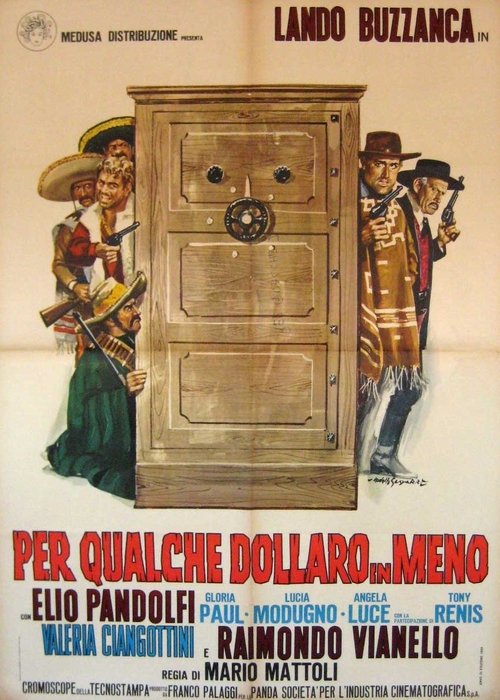
1966
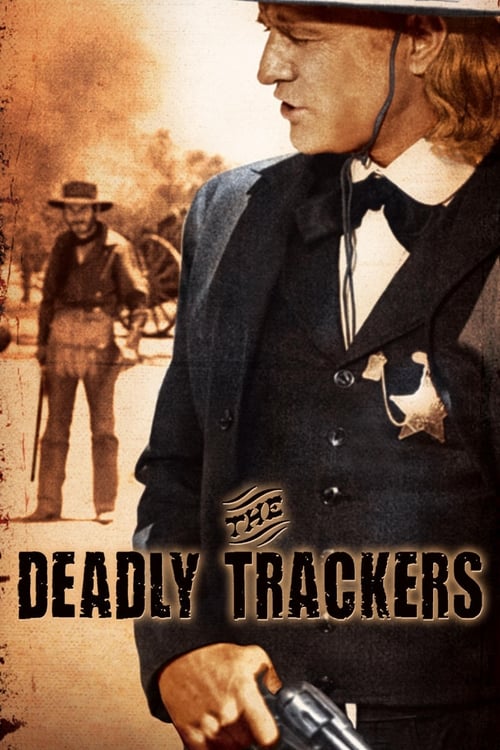
1973
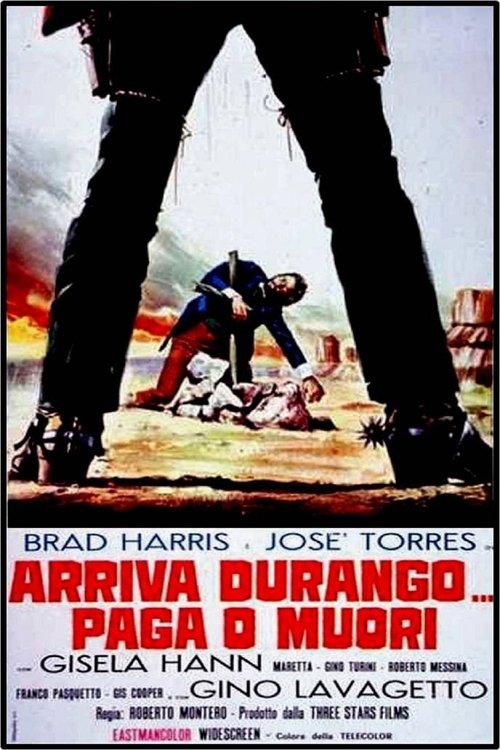
1971
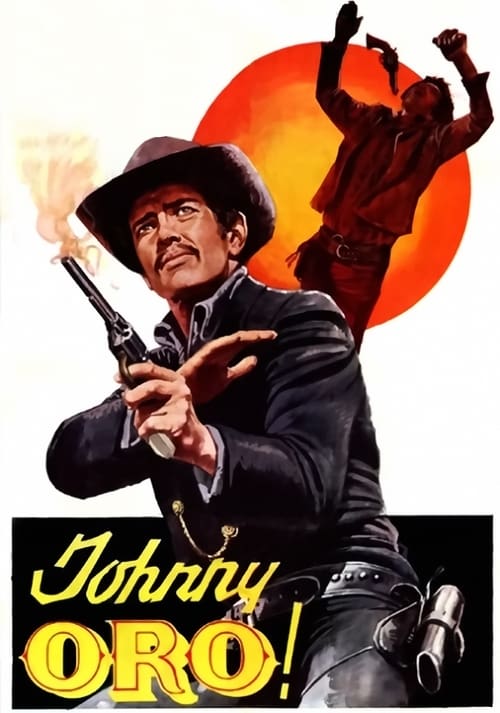
1966
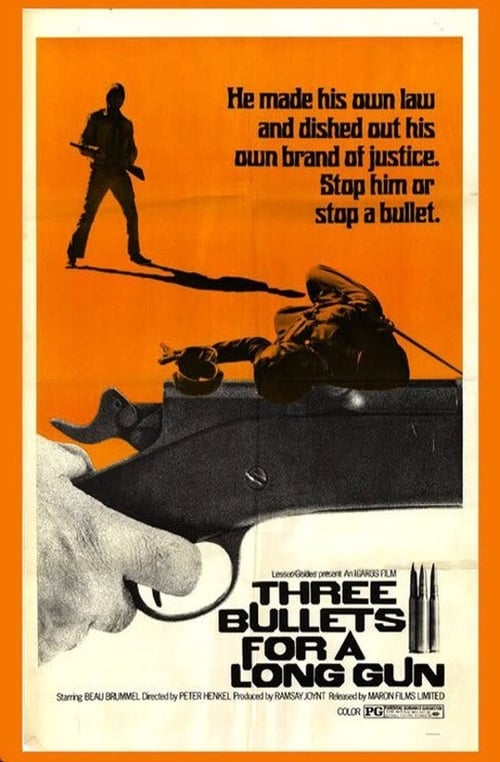
1971
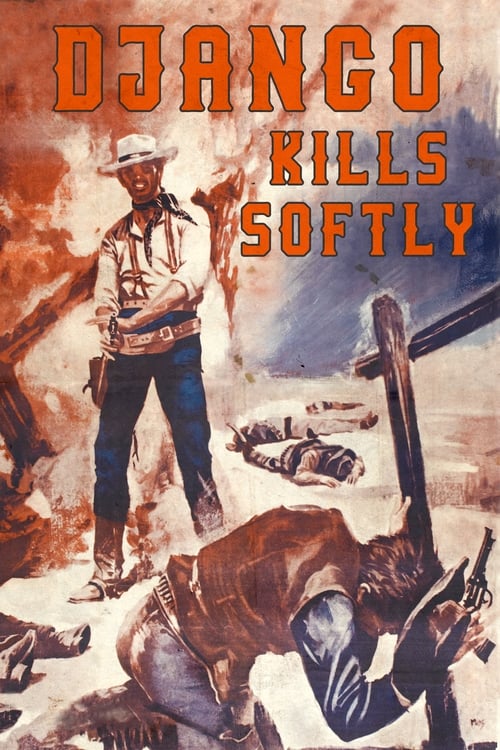
1967
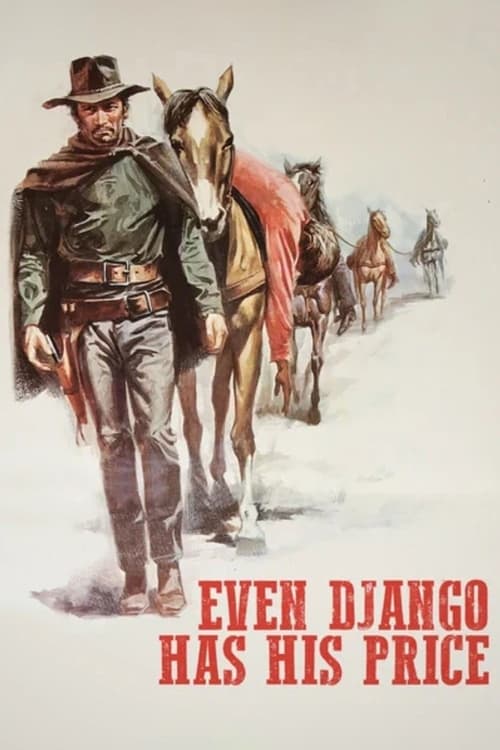
1971
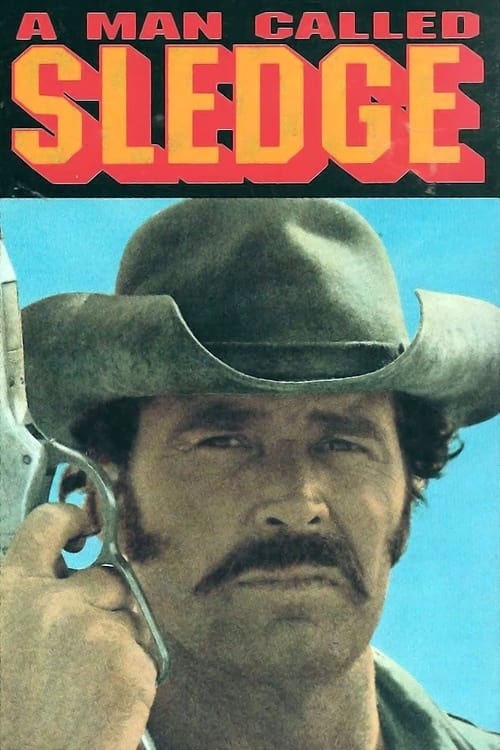
1970
1966
No reviews yet. Be the first to share your thoughts on this movie!
Use the rating form above to leave a star rating and optional review.