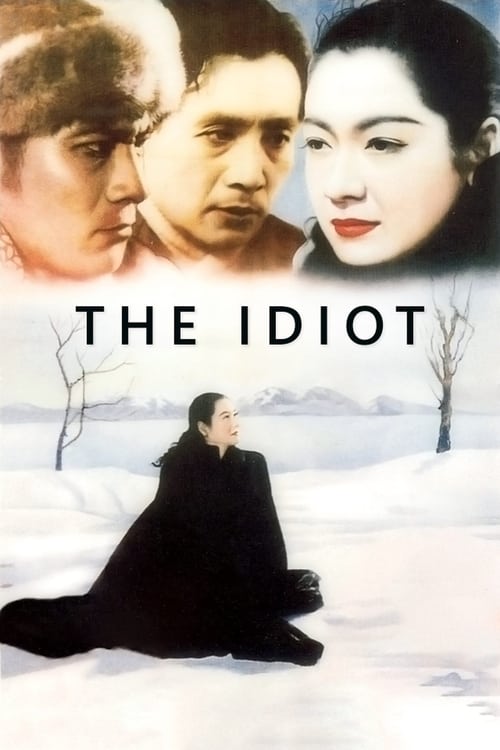
The Idiot
1951
No user ratings available yet
Diversity score: 5.9 out of 10
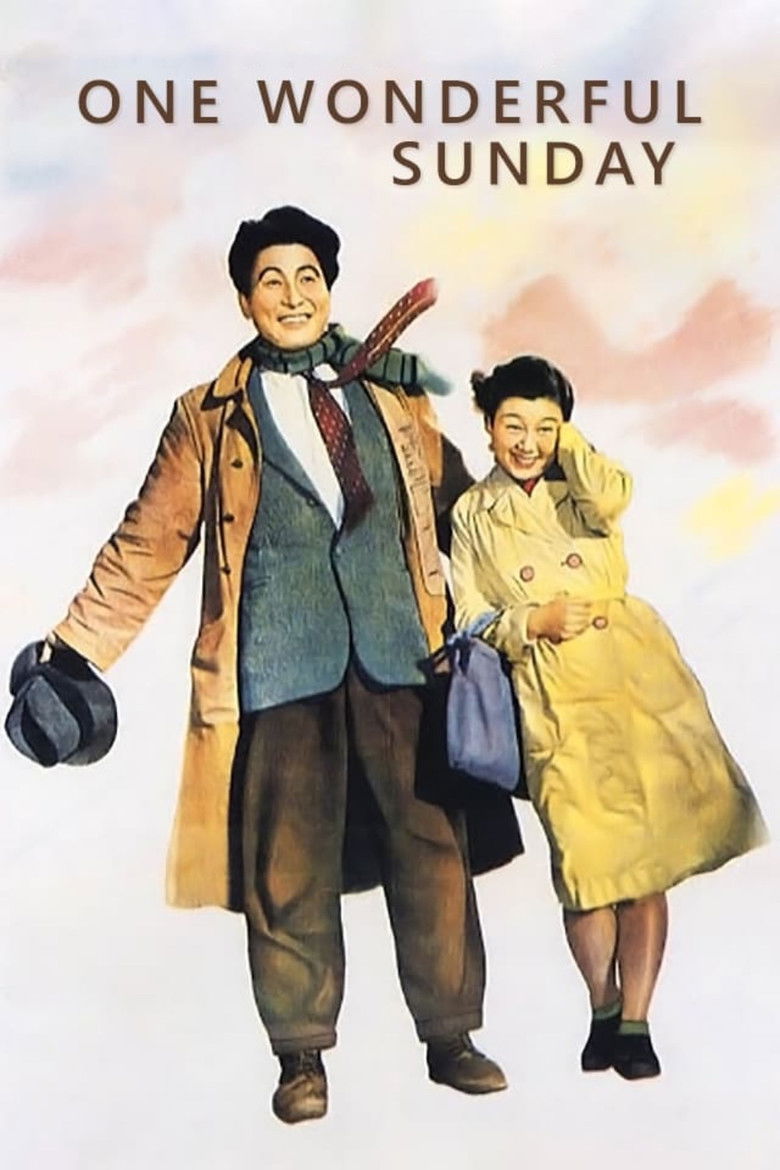
1947
Not RatedDirector
Akira Kurosawa
Runtime
108 minutes
Average Rating
No ratings yetSynopsis
Two broke sweethearts wander war-scarred Tokyo on a single Sunday, stretching 35 yen as they chase housing, small pleasures, and a little hope.
Overall Score
Limited
Category Breakdown
LGBTQ+ Representation
The film adheres to the social norms of its 1947 setting. The romantic focus remains centered on the traditional pairing of the two protagonists.
Gender Representation
The narrative depicts gender dynamics typical of the mid-century Japanese social landscape. Characters function within the established social roles of the era without subverting traditional hierarchies.
Racial & Ethnic Diversity
As a localized Japanese period piece set in post-WWII Tokyo, the cast is ethnically homogeneous. The film reflects the specific historical and geographic context of the narrative.
Religious & Cultural Diversity
The film offers an atmospheric critique of modern leisure and the struggle within an impoverished economy. It avoids singular religious morality, leaning instead toward existential melancholy.
Disability Representation
There is no significant evidence of characters with visible or invisible disabilities being utilized as central plot devices or being subjected to mockery.
Strengths
Areas for Improvement
AI Analysis
Akira Kurosawa’s 1947 short film is a poignant sociological observation of post-war Japanese youth. It focuses on the existential drift and psychological dislocation caused by systemic collapse and economic scarcity in a recovering nation. The film prioritizes the human condition over modern identity politics. While it lacks intersectional casting or the subversion of gender hierarchies, it provides a sophisticated study of individuals navigating a fractured social order. Ultimately, the work captures the struggle of reclaiming normalcy amidst the vacuum of post-war reconstruction, offering a nuanced look at social transition through the lens of two broke sweethearts.
1951
2009
1968
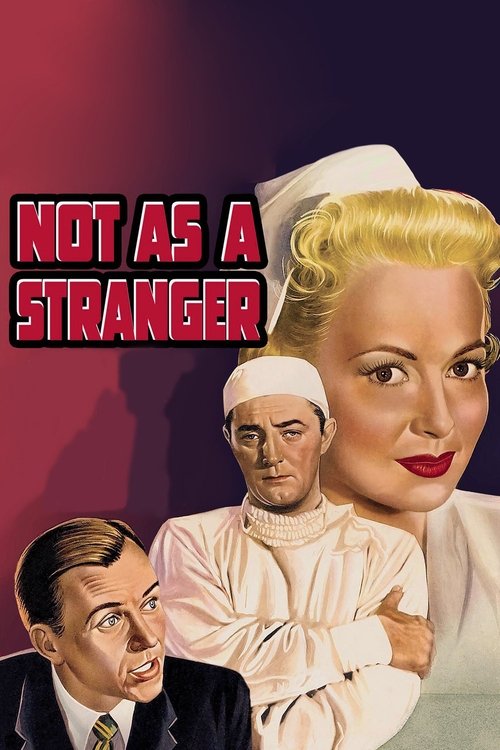
1955
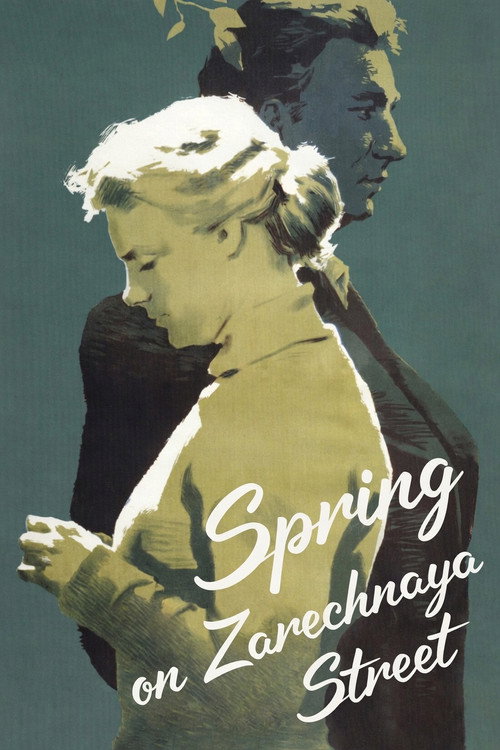
1956
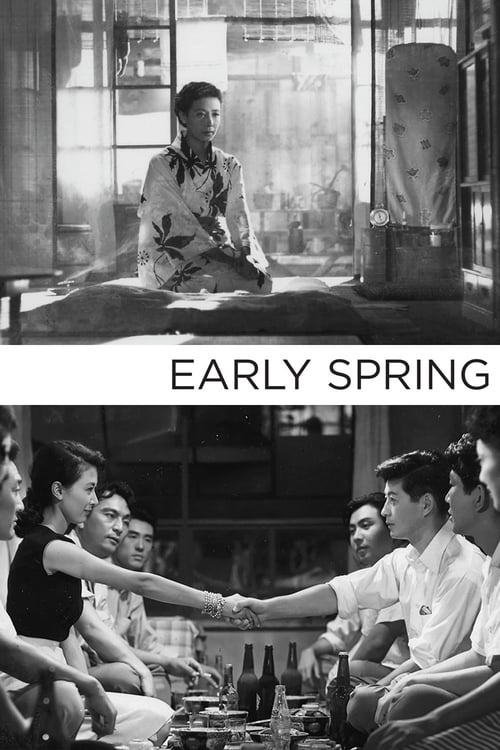
1956
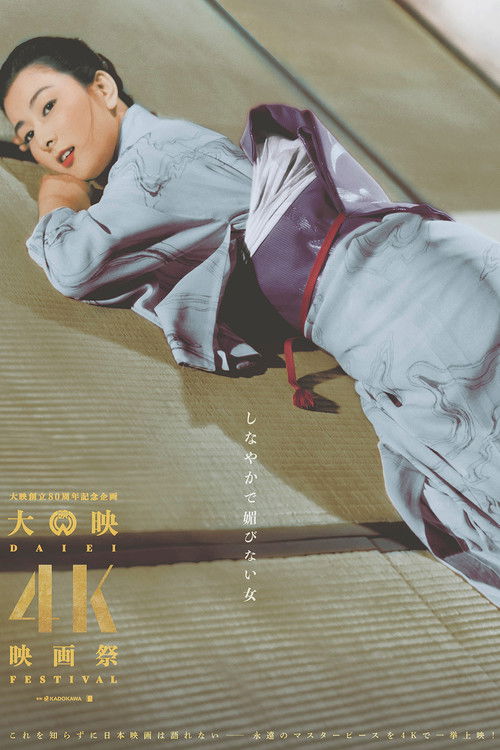
1956
1972
1955
1964
1952

1941
No reviews yet. Be the first to share your thoughts on this movie!
Use the rating form above to leave a star rating and optional review.