Heidi
1965
No user ratings available yet
Representation score: 2.1 out of 10
Representation Score
Limited
2005
TV-GDirector
Paul Marcus
Runtime
97 minutes
Average Rating
No ratings yetNew Showbiz Analysis
Heidi (2005) is a period drama that prioritizes historical and geographic authenticity over diverse representation. It functions as a traditional narrative rooted in Western moral structures and Romanticist ideals. The film centers a young female protagonist with significant emotional autonomy and provides a respectful portrayal of physical disability through Clara. However, it remains highly homogeneous, lacking racial diversity and any exploration of LGBTQ+ identities.
Category Breakdown
The film does not include any characters with LGBTQ+ identities or explore non-cisgender identities. It focuses on traditional interpersonal relationships without delving into queer experiences.
Heidi demonstrates strong influence over the story, breaking away from passive child roles. Her emotional resilience disrupts traditional gender hierarchies, showing active engagement rather than passivity.
The film portrays a homogenous ethnic makeup, reflecting a mid-19th century Swiss mountain community. The casting is primarily Caucasian, aligning with the historical and geographic context.
The narrative highlights nature, family, and religious elements within a traditional framework. It presents the tension between mountain life and urban structures through a Romanticist perspective.
Clara’s physical disability is central to the emotional storyline. While she has ability to act, the story sometimes leans on the 'healing through nature' cliché.
Present on Screen
Limited or Absent
Official Synopsis
Swiss girl Adelheid 'Heidi' is orphaned young. Aunt Detie brings her to grandpa Alp and his wife, who live isolated in the Alps since his murder charge. Heidi soon takes to the wild country, especially accompanying young goatherd Peter. Grandpa refuses to send her to school in the city, but aunt Detie returns and forces him to give in. She's sent to a posh lady in Frankfurt, where she'll be a companion for crippled daughter Clara after school hours.
1965
1937
1952
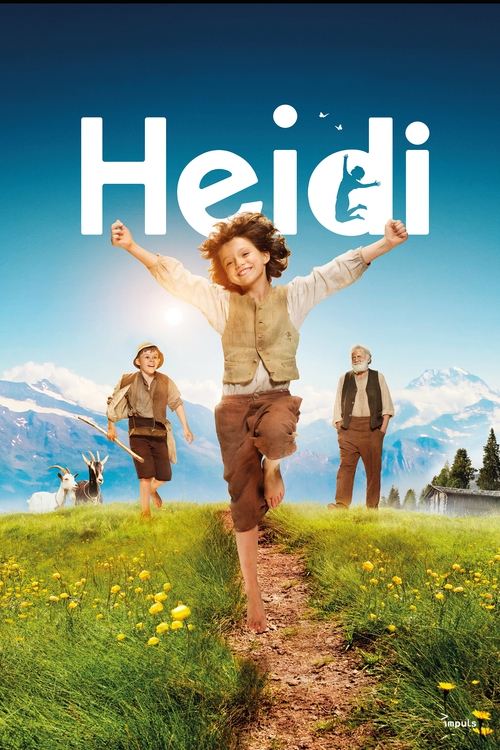
2015

1955
2002
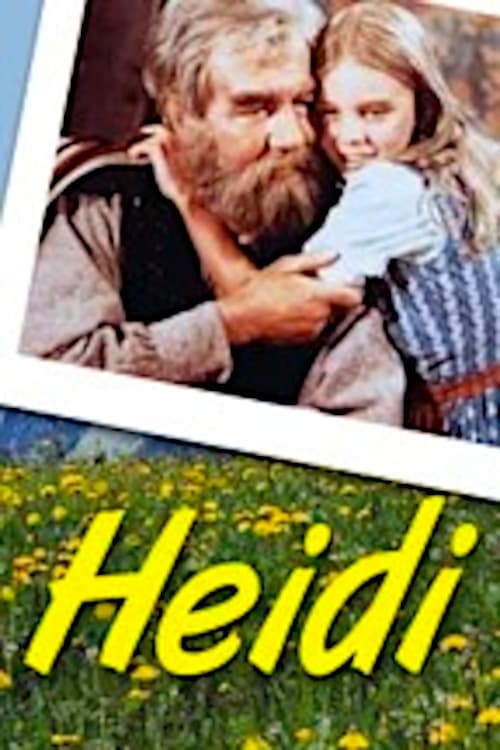
1968
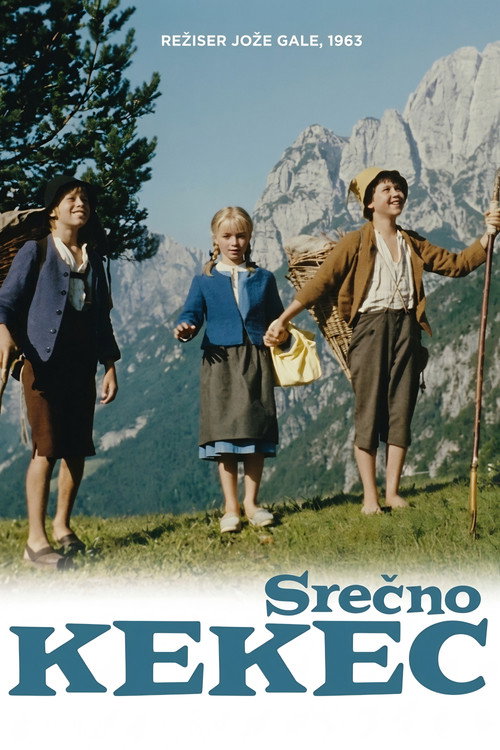
1963
No reviews yet. Be the first to share your thoughts on this movie!
Use the rating form above to leave a star rating and optional review.