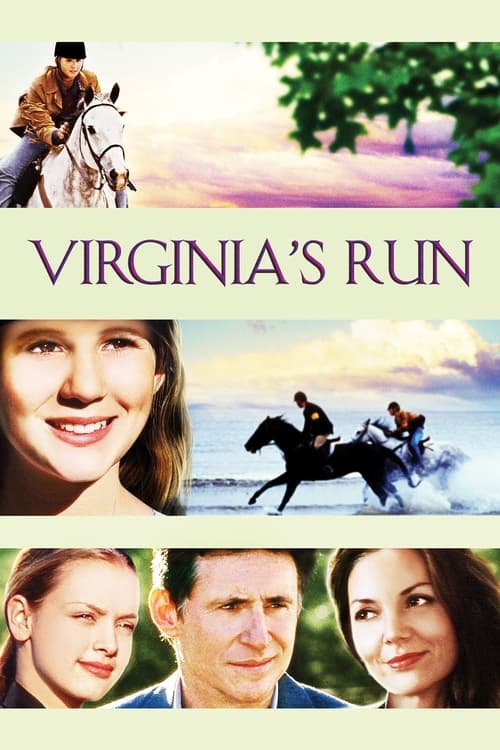
Virginia's Run
2002
No user ratings available yet
Representation score: 2.1 out of 10
Representation Score
Fair
2011
PGDirector
Eleanore Lindo
Runtime
91 minutes
Average Rating
No ratings yetNew Showbiz Analysis
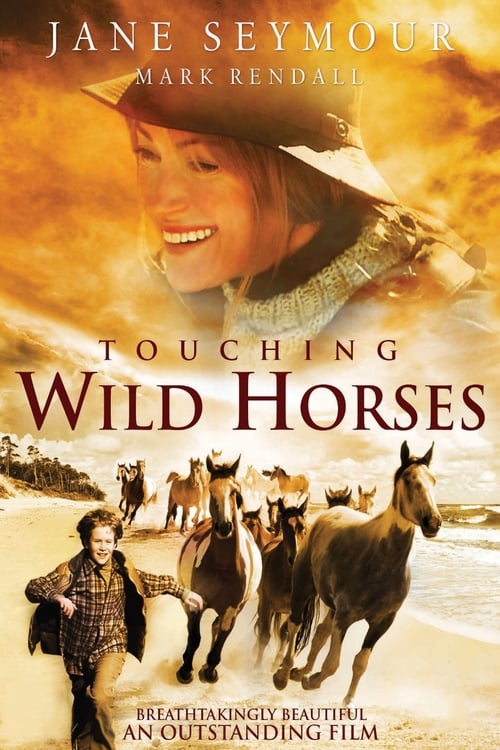
Touching Wild Horses is a character-driven drama that finds its footing by subverting gendered expectations. By centering on women's ability to drive the story and emotional complexity, the film moves away from traditional masculine leadership clichés. However, the film remains limited by a traditional demographic profile. It lacks multi-layered depth, focusing on the internal emotional landscapes of individuals rather than engaging with broader systemic critiques or diverse social identities. Ultimately, the narrative prioritizes personal healing and the relationship between humans and nature over a diverse exploration of identity politics.
Category Breakdown
The film does not prioritize or center on LGBTQ+ identities. It focuses on traditional familial bonds and interpersonal reconciliation rather than challenging assumptions about straight relationships.
The story disrupts patriarchal hierarchies by centering on female-led emotional landscapes and autonomy. It emphasizes the psychological depth and emotional labor of its female protagonists.
The production utilizes a predominantly white cast, reflecting a homogeneous demographic. There is no evidence of color-blind casting or the integration of diverse ethnic perspectives.
The film operates within a traditional framework of personal healing and the sanctity of nature. It follows a conventional moral structure centered on reconciliation and restorative natural power.
Disability functions primarily as a narrative driver following a traumatic accident. There is little evidence of characters with disabilities possessing high levels of autonomy or specialized representation.
Present on Screen
Limited or Absent
Official Synopsis
After a car accident that claimed his father and sister's lives and left his mother in a coma, a young man is sent to live with his reclusive aunt (Jane Seymour) on Sable Island, a world-renowned wild horse preserve.
2002
1945
1993
2005
2016
1994

1978
2020
No reviews yet. Be the first to share your thoughts on this movie!
Use the rating form above to leave a star rating and optional review.