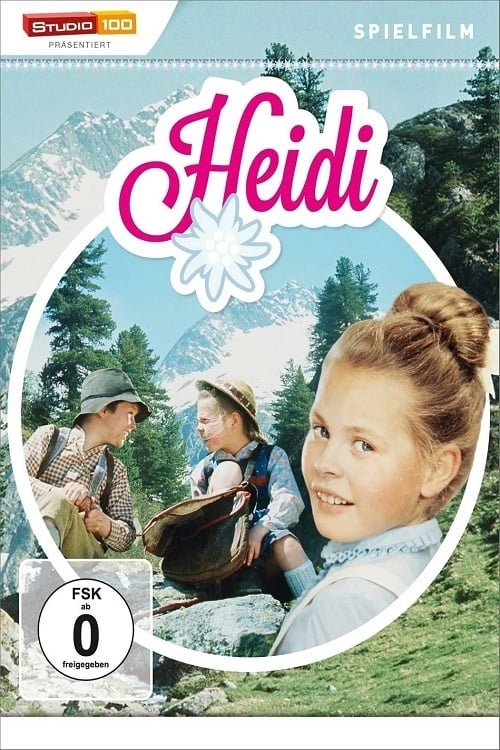
Heidi
1965
No user ratings available yet
Representation score: 2.1 out of 10

Representation Score
Limited
1952
ApprovedDirector
Luigi Comencini
Runtime
100 minutes
Average Rating
No ratings yetNew Showbiz Analysis
Luigi Comencini’s 1952 adaptation is a traditionalist period drama that prioritizes emotional reconciliation and historical social hierarchies. The film focuses on the restorative qualities of nature and the bond between a child and an elder. While the film provides a central arc through Clara's physical impairment, it lacks contemporary multi-layered depth. The narrative adheres to mid-century moral frameworks and conventional gender roles, offering little disruption to established social norms. The production reflects its era through an ethnically homogeneous cast and a strictly straight-centered worldview. It favors sentimentalism over systemic critique, reinforcing traditional social orders.
Category Breakdown
The film does not include any representations of LGBTQ+ identities or non-assuming gender matches what was assigned at birth orientations.
Heidi is portrayed as a traditionally innocent child. Although the film passes the Bechdel test, the power dynamics are centered around traditional caregiver and dependent relationships.
The cast is ethnically homogeneous, depicting a predominantly white, European social landscape. The narrative does not engage with themes of racial or ethnic diversity.
The film emphasizes familial reconciliation and traditional values. It frames socioeconomic divides through sentimentalism rather than a critical look at institutions.
Clara's inability to walk is a central element of the emotional arc. Her physical journey is crucial to the film's resolution and narrative development.
Present on Screen
Limited or Absent
Official Synopsis
Heidi, a young orphan girl living with her aunt in Frankfurt, is forced to move to the Swiss Alps to live with her ornery grandfather. At first, he resents her presence, but, after a short while, Heidi manages to pierce his gruff exterior, and the two become close. She also befriends a young shepherd named Peter. After three years, Heidi's aunt arrives and demands Heidi's return to Frankfurt.
1965

1937
2005

1945

1955

1946
1968

2015
No reviews yet. Be the first to share your thoughts on this movie!
Use the rating form above to leave a star rating and optional review.