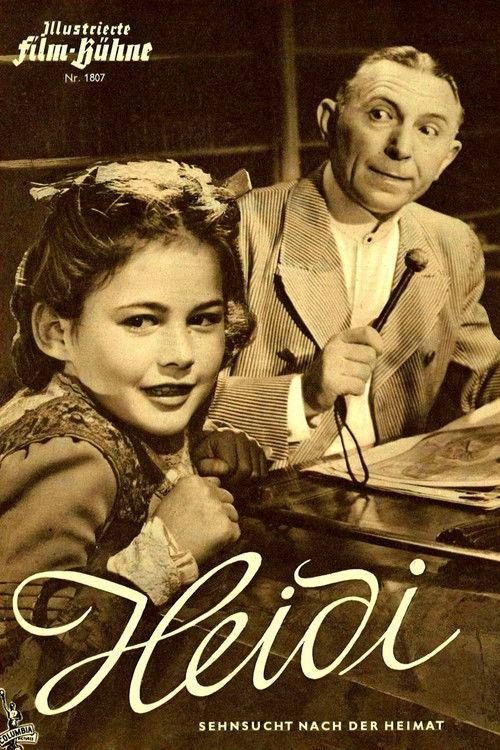
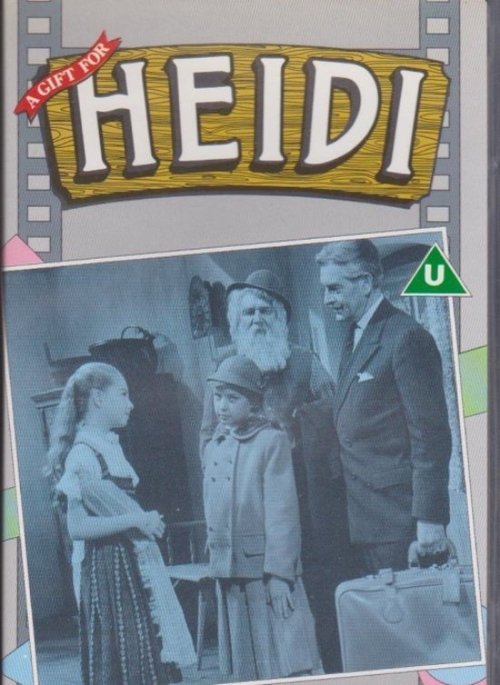
Heidi
1952
No user ratings available yet
Diversity score: 2.9 out of 10
1963
Director
Jože Gale
Runtime
76 minutes
Average Rating
No ratings yetSynopsis
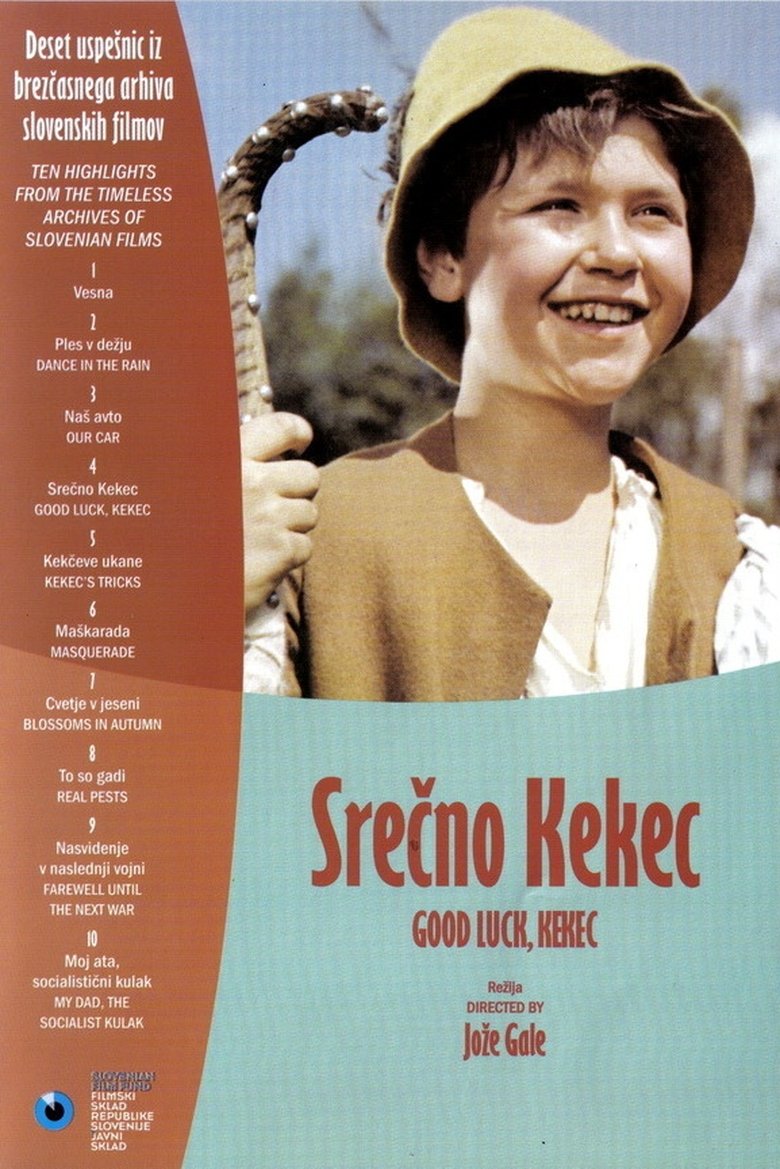
Two boys, Kekec and Rozle, come to serve a farmer, with a blind daughter Mojca, as shepherds. As the night falls, the two boys start talking about a woman who lives in the mountains and is supposed to steal children. Her name is Pehta. In the morning, Kekec, Rozle and Mojca go to an Alpine cottage and Kekec promises Mojca that he will find her a remedy for her eyes. As the girl is picking flowers, Pehta arrives and takes Mojca into her cottage. She wants to keep Mojca because of her singing.
Overall Score
Limited
Category Breakdown
LGBTQ+ Representation
The film lacks any depiction of non-cisnormative identities or same-sex intimacy. Character dynamics focus on childhood friendship and traditional community structures.
Gender Representation
Male protagonists drive the narrative, though Mojca provides essential motivation for their actions. The film adheres to conventional mid-century gender roles rather than subverting them.
Racial & Ethnic Diversity
The cast is a homogeneous Slovene group reflecting its specific regional context. It does not utilize multicultural casting or non-Western metaphors.
Religious & Cultural Diversity
The story reinforces traditional pastoral values and regional folklore. It functions as a classic adventure tale that upholds social cohesion and moral clarity.
Disability Representation
Mojca, who is blind, serves as a central character and a primary catalyst for the plot. Her condition drives the emotional stakes and the hero's journey.
Strengths
Areas for Improvement
AI Analysis
Good Luck, Kekec is a traditional mid-century adventure rooted in Slovene folklore and pastoral life. It prioritizes regional identity and moral clarity over modern intersectional storytelling or the disruption of social hierarchies. The film's strength lies in its central characterization of Mojca, whose disability provides a meaningful narrative engine. However, the work remains firmly within the demographic and social norms of its era. Ultimately, the film offers a homogeneous view of the world, focusing on local cultural heritage rather than diverse or subversive perspectives.
1952
1965
2005
2006
1967
1960
1958
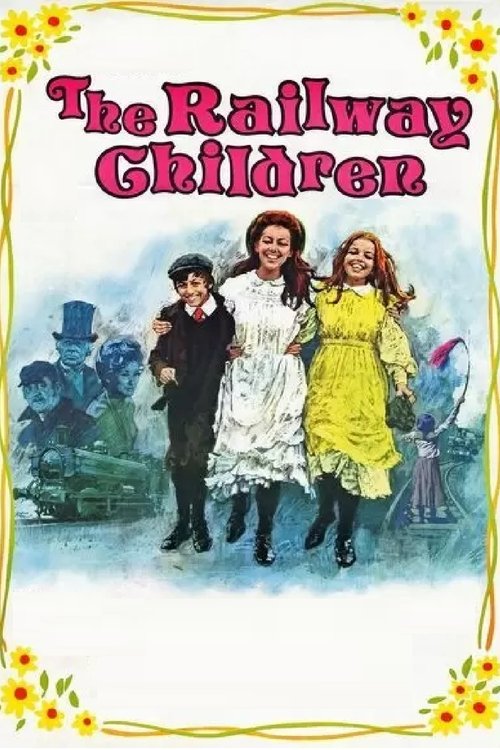
1970
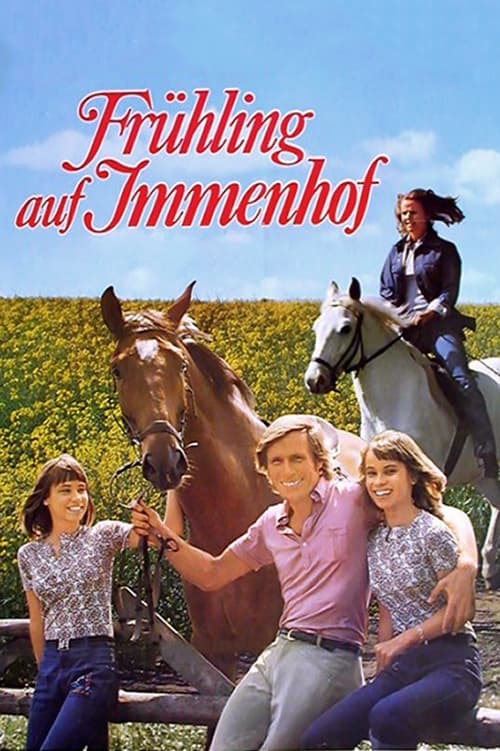
1974
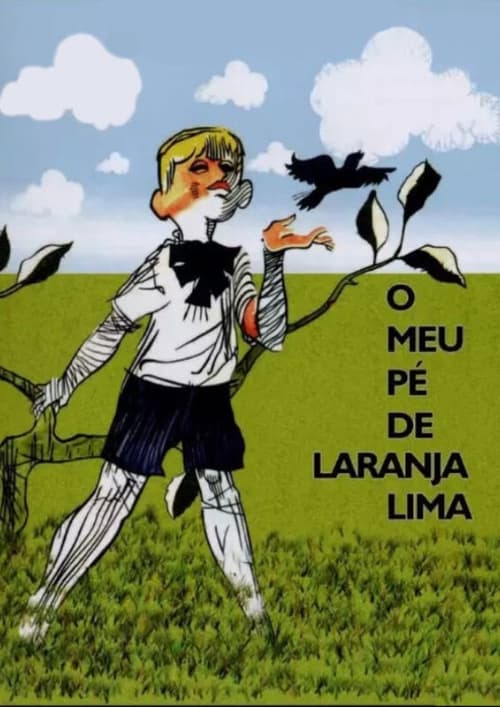
1970
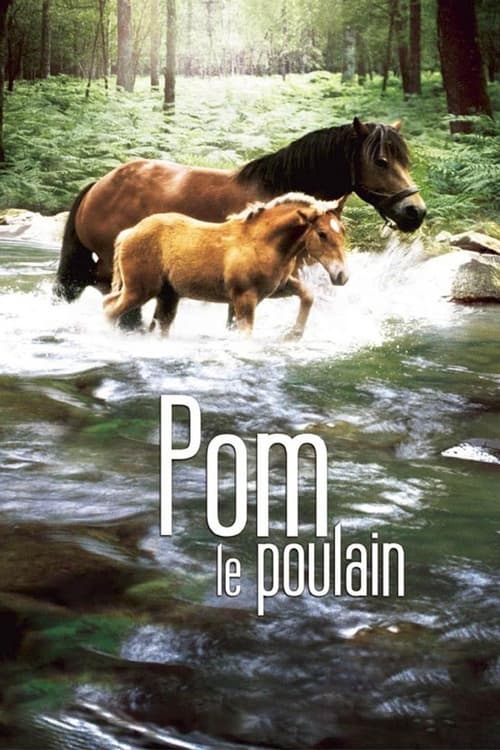
2006
1973
No reviews yet. Be the first to share your thoughts on this movie!
Use the rating form above to leave a star rating and optional review.