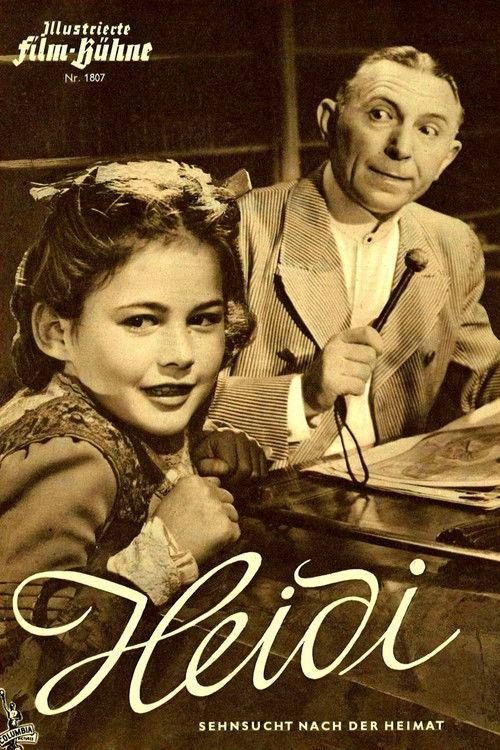
Heidi
1952
No user ratings available yet
Representation score: 2.7 out of 10
Representation Score
Limited
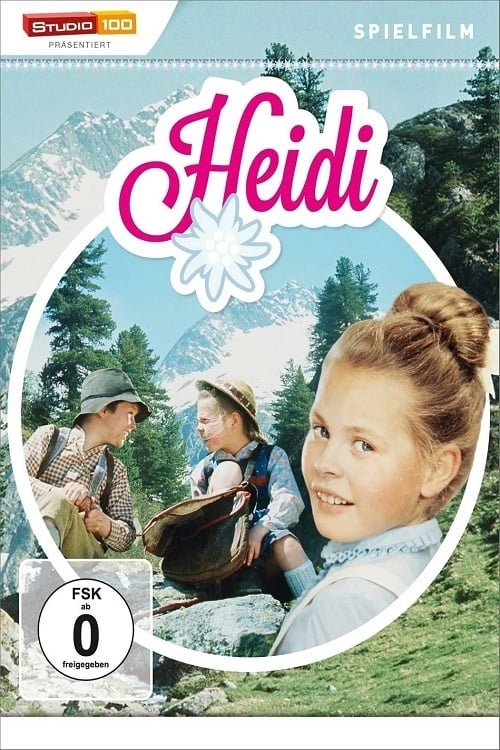
1965
Director
Werner Jacobs
Runtime
86 minutes
Average Rating
No ratings yetNew Showbiz Analysis
This 1965 film is a traditional period drama that emphasizes romanticized nature and established social hierarchies. It focuses on domestic harmony and the triumph of innocence. The film adheres closely to the cultural norms of its era, lacking efforts to challenge or deconstruct power dynamics. While Clara’s character provides meaningful emotional depth, the overall narrative lacks multi-layered diversity.
Category Breakdown
There are no visible LGBTQ+ characters or non-straight relationships in the film. The story focuses on family and childhood friendships.
Female characters are mostly seen in domestic or social settings. Heidi plays a significant role but her influence is tied to her innocence rather than challenging traditional gender roles.
The cast is predominantly white, reflecting the film’s Swiss setting and historical context. The film offers a localized, Eurocentric viewpoint without diverse racial representation.
The story contrasts rural simplicity with urban rigidity, emphasizing traditional Western values and religious themes typical of the time.
Clara is a central figure with a physical disability. Her storyline follows a traditional healing arc, but she maintains significant influence in her social interactions.
Present on Screen
Limited or Absent
Official Synopsis
After her mother's death, the five year old orphan Heidi is brought by her aunt to her grumpy grandfather Alp, who leads a hermit life in the beautiful Swiss mountains. Heidi's natural cheerfulness quickly brings renewed joy in grandfather Alps life. Heidi becomes friends with the goatherd Peter who is about the same age as her and spent two beautiful years in the pasture. But then she is sent by her aunt to Frankfurt in the house of Consul Sesemann where Heidi should get a proper education and upbringing. After some initial difficulties Heidi eventually adjusts to her new situation and makes friends with Clara, the paralyzed daughter of the consul. Only with the strict governess Miss Rottingmeier she keeps getting in trouble. Miss Rottingmeier clearly can not cope with the free and outdoors spirit of Heidi. But Heidi lets a fresh wind blow through the Sesemann house and even causes Clara to overcome her illness.
1952
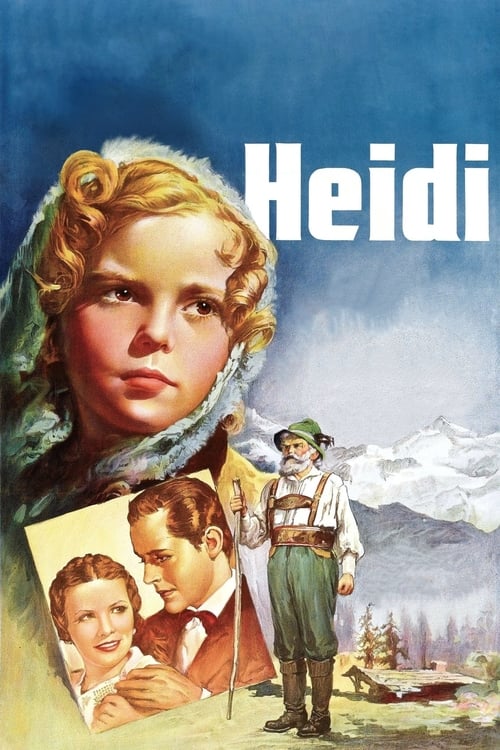
1937
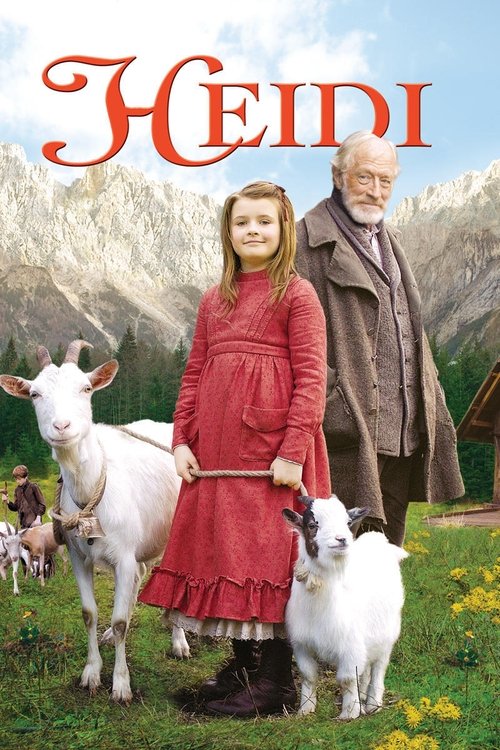
2005

2015

1955
1946
1968

1989
No reviews yet. Be the first to share your thoughts on this movie!
Use the rating form above to leave a star rating and optional review.