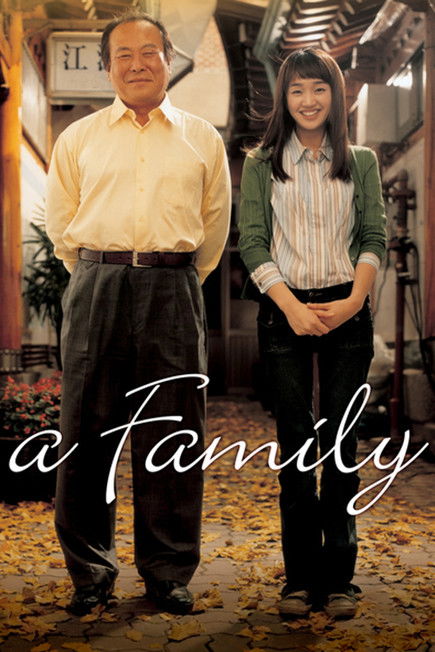
A Family
2004
No user ratings available yet
Representation score: 5.8 out of 10
Representation Score
Fair
2002
PGDirector
Lee Jeong-hyang
Runtime
86 minutes
Average Rating
No ratings yetNew Showbiz Analysis
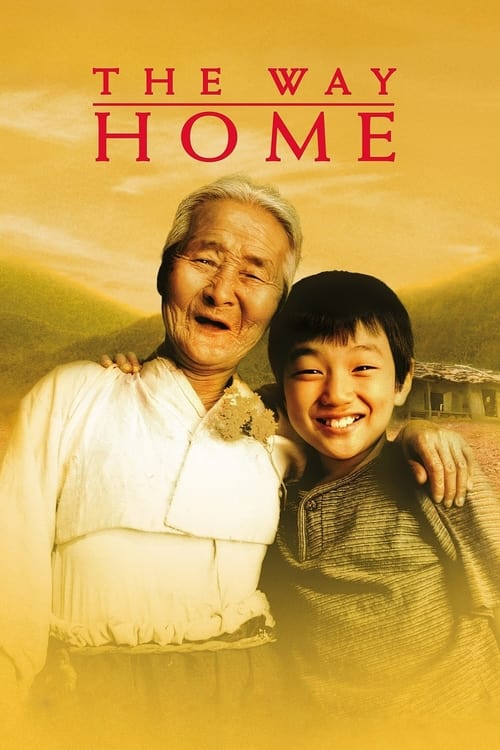
The Way Home is a touching exploration of emotional realism that challenges typical character roles. It highlights a strong, wise elderly woman rather than a passive observer. The film excels in its nuanced portrayal of disability and its critique of modern, capitalist-driven society. By comparing the boy's urban disconnect with the grandmother's rural lifestyle, it offers a deep look at human connections. However, the film remains limited in its engagement with contemporary identity politics. It operates within a traditional family framework, offering little representation for LGBTQ+ identities or diverse ethnic backgrounds.
Category Breakdown
The film does not include any LGBTQ+ characters or narratives. It focuses solely on the relationship between a child and an elderly relative within a traditional family setting.
The grandmother challenges traditional power dynamics through her moral and emotional strength. She serves as the story's anchor, contrasting the entitled urban boy with her calm competence.
This South Korean film provides a non-Western perspective. Although the cast is ethnically uniform, it explores local issues of class and generational change.
The story contrasts modern consumerism with a subsistence-based lifestyle. It finds spiritual significance in nature and manual labor rather than organized religion.
The grandmother's muteness is shown without pity. Her lack of speech emphasizes the importance of her actions and drives the emotional storyline.
Present on Screen
Limited or Absent
Official Synopsis
This is the story of a 7-year-old boy, Sang-woo, born and raised in the big city, and his mute grandmother, who has spent her whole life in a small rural village.
2004
2013

2010
2001

2023
1997

2008

2005
No reviews yet. Be the first to share your thoughts on this movie!
Use the rating form above to leave a star rating and optional review.