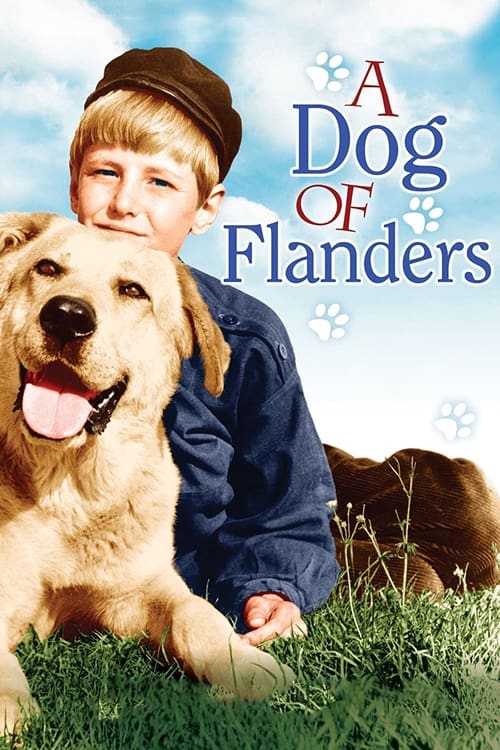
A Dog of Flanders
1959
No user ratings available yet
Representation score: 2.4 out of 10
Representation Score
Limited
1999
PGDirector
Kevin Brodie
Runtime
96 minutes
Average Rating
No ratings yetNew Showbiz Analysis
A Dog of Flanders is a historical drama that emphasizes historical accuracy over contemporary diversity. It explores the intersection of poverty and artistic ambition in late 19th-century Flanders. The film's main strength lies in its somber commentary on class disparity and the failure of social institutions to support the disadvantaged. It avoids rigid masculine hierarchies, focusing instead on emotional vulnerability. However, the film falls short in providing diverse casting and character development. The narrative remains confined within a traditional framework, offering minimal representation for LGBTQ+ identities or diverse racial backgrounds.
Category Breakdown
There are no LGBTQ+ characters or narratives in the film. Relationships focus on traditional family and friendship bonds.
The story revolves around a male protagonist and his grandfather. Female characters are mostly remembered or play supporting roles, with limited influence over the plot.
The cast portrays a uniform European population fitting the 19th-century Flemish setting. There is no indication of intentional racial diversity.
The narrative criticizes socioeconomic inequality and the neglect of social structures towards the poor. It challenges the stability of societal order.
The storyline centers on the physical consequences of poverty, such as malnutrition and disease. These conditions shape the character's tragic journey.
Present on Screen
Limited or Absent
Official Synopsis
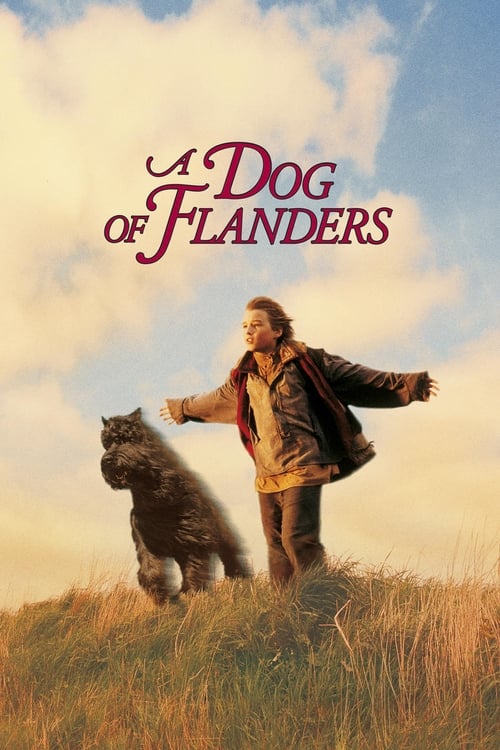
Poor but happy, young Nello and his grandfather live alone, delivering milk as a livelihood, in the outskirts of Antwerp, a city in Flanders (the Flemish or Dutch-speaking part of modern-day Belgium). They discover a beaten dog (a Bouvier, a large sturdy dog native to Flanders) and adopt it and nurse it back to health, naming it Patrasche, the middle name of Nello's mother Mary, who died when Nello was very young. Nello's mother was a talented artist, and like his mother, he delights in drawing, and his friend Aloise is his model and greatest fan and supporter.
1959
1987
1997
1997

1961
2005

1996
1994
No reviews yet. Be the first to share your thoughts on this movie!
Use the rating form above to leave a star rating and optional review.