
Heidi und Peter
1955
No user ratings available yet
Representation score: 1.8 out of 10
Representation Score
Minimal
1958
ApprovedDirector
George Templeton
Runtime
71 minutes
Average Rating
No ratings yetNew Showbiz Analysis
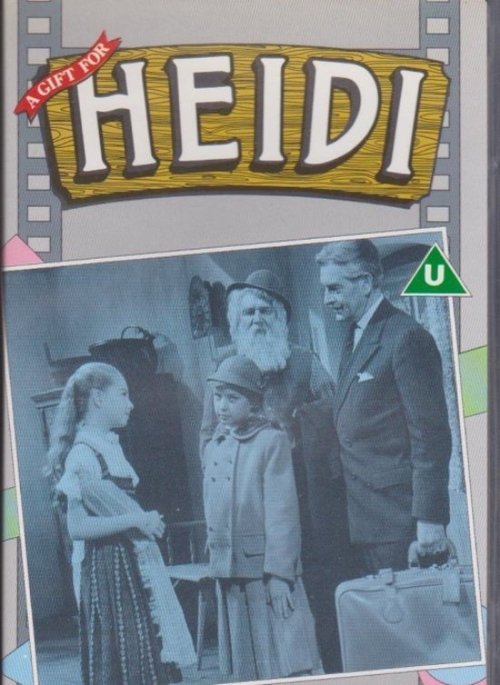
A Gift for Heidi is a traditionalist period drama that prioritizes communal stability and established moral archetypes. The film focuses on mid-century social hierarchies and a singular spiritual lesson, lacking the complexity needed to represent diverse perspectives. The narrative relies heavily on patriarchal structures, where the female protagonist's development is facilitated by male elders. This reinforces traditional social roles rather than exploring multi-layered identities or challenging the status quo. Ultimately, the film preserves traditional values. It lacks the complexity required to represent a broad spectrum of racial, cultural, or gendered experiences, remaining firmly rooted in its specific historical and religious context.
Category Breakdown
The film does not include any characters with LGBTQ+ identities. It centers on traditional family and community structures set in a mid-century Alpine village.
Heidi provides a central female perspective, but her growth is guided by male authority figures. This reinforces traditional gender hierarchies rather than challenging gendered power dynamics.
The isolated Alpine village setting suggests an ethnically homogeneous cast. There is no indication of racial blending or non-European characters within the narrative.
The story follows a conventional Christian moral framework, emphasizing traditional institutions and spiritual ideals through themes of faith, charity, and hope.
The film features an orphan protagonist but does not depict any specific physical or mental disabilities. This category remains unaddressed in the narrative.
Present on Screen
Limited or Absent
Official Synopsis
This movie is about one summer holiday in the life of the famous children's book character Heidi, the orphan girl who lives with her grandfather (whom Heidi, like everybody else including the cast list, calls "Alm Uncle") on the outskirts of a small village in the Alps. Heidi has a gift of three carved wooden figures made by a craftsman neighbour: Caspar, Melchior and Balthazar. However, rather than gold, frankincense, and myrrh, her grandfather and the village doctor gradually teach Heidi the idea that the gifts they bring are faith, charity and hope.
1955
1937
1952
1955
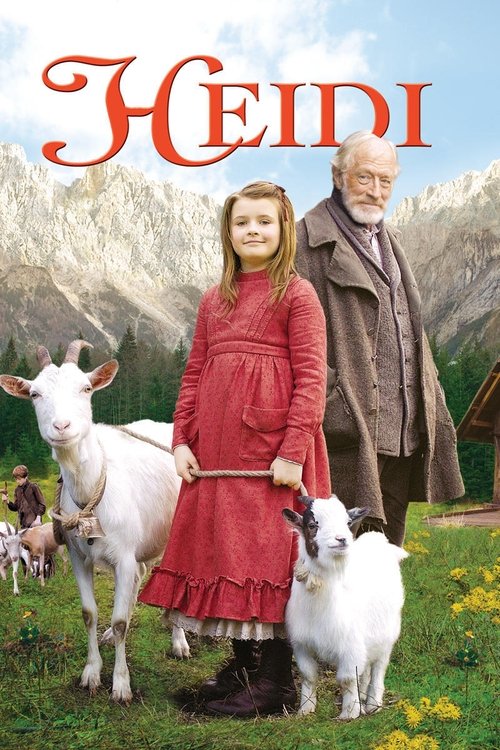
2005
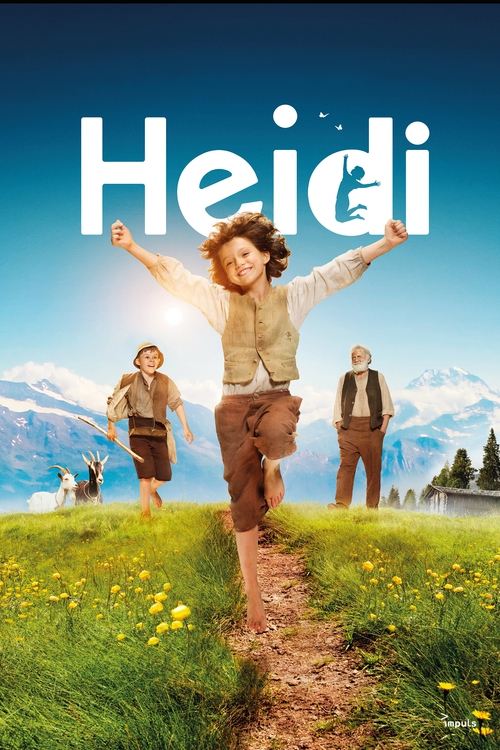
2015
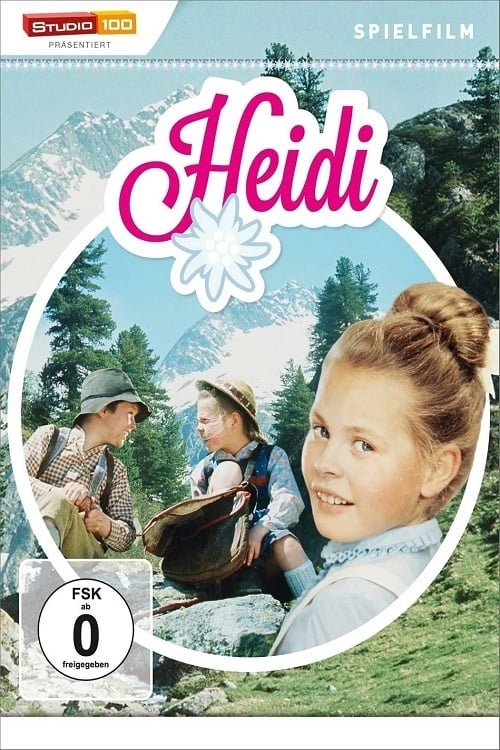
1965
1968
No reviews yet. Be the first to share your thoughts on this movie!
Use the rating form above to leave a star rating and optional review.