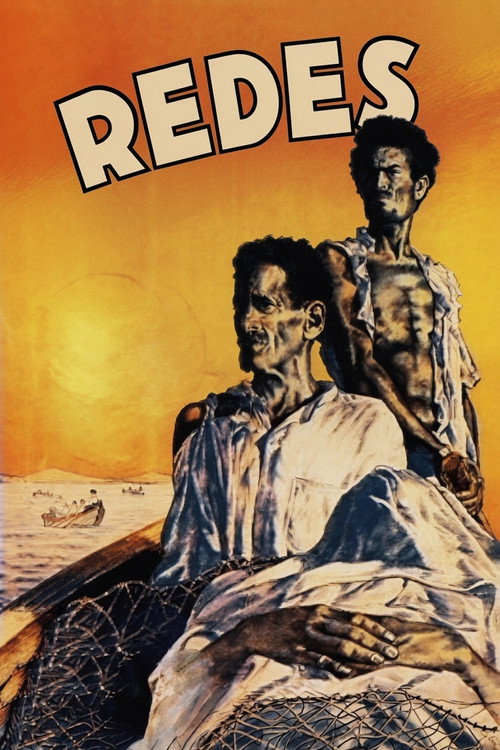
The Wave
1936
No user ratings available yet
Diversity score: 6.3 out of 10
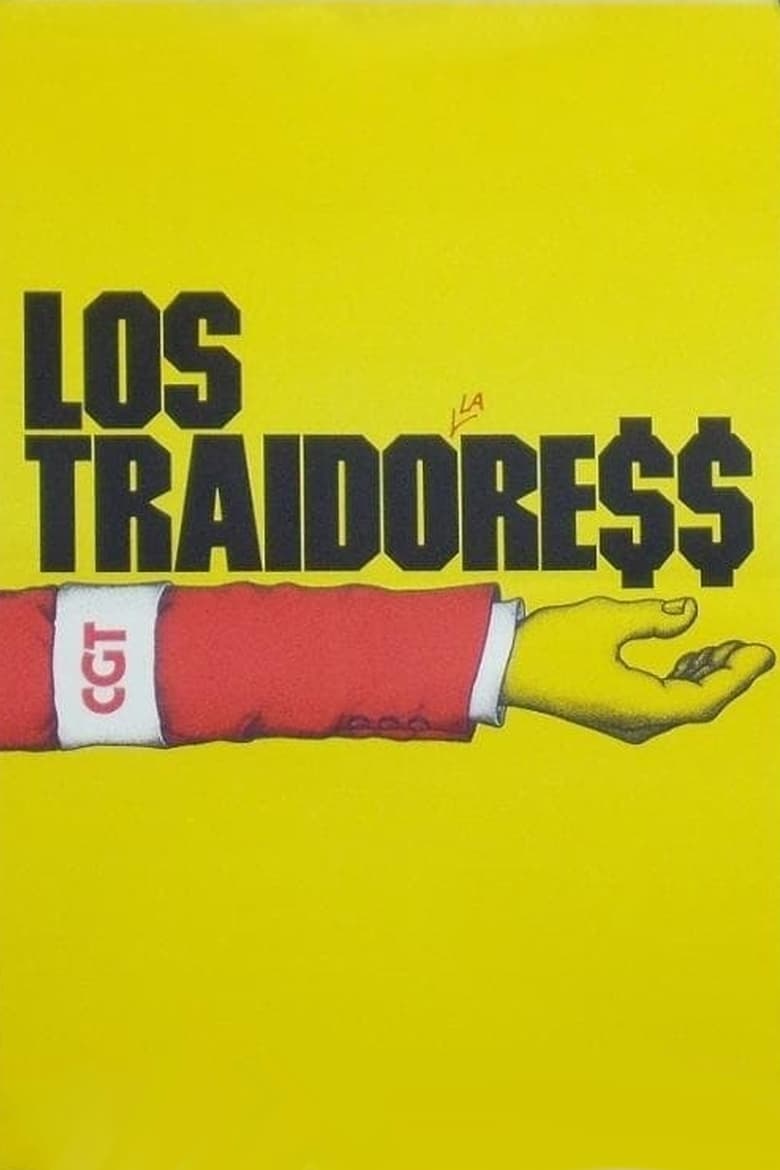
1973
Director
Raymundo Gleyzer
Runtime
113 minutes
Average Rating
No ratings yetSynopsis
Based on a true story, the film narrates the life of a fictitious Peronist union leader who, after years of militancy, gains power in the union during the 1960s and gradually becomes a corrupt bureaucrat.
Overall Score
Good
Category Breakdown
LGBTQ+ Representation
The film lacks documented LGBTQ+ characters or non-cisnormative identities. The narrative focus remains strictly on class struggle and socioeconomic mobilization.
Gender Representation
Women are depicted as active participants in political organization and survival. The film avoids submissive tropes by integrating their domestic and labor-related lives into the broader struggle.
Racial & Ethnic Diversity
The film excels by centering the rural proletariat and marginalized laborers. Using non-professional actors from the working class provides authentic agency to the subjects.
Religious & Cultural Diversity
The narrative offers a profound critique of capitalist land ownership and Western institutions. It prioritizes collective organization and class-based identity over individualist ideals.
Disability Representation
There is no specific evidence regarding the portrayal of neurodivergence or disabilities as central narrative arcs. The film focuses on the physical realities of labor instead.
Strengths
Areas for Improvement
AI Analysis
The Traitors serves as a powerful piece of cinematic resistance, utilizing a Third Cinema framework to critique colonial and class-based structures. It succeeds by centering the marginalized through authentic, agency-driven portrayals of the working class. While the film achieves high marks for its radical deconstruction of class hierarchies and cultural critique, it lacks representation in the LGBTQ+ and disability sectors. These omissions prevent a higher overall score despite its socio-political depth. Ultimately, the film's strength lies in its intentionality. By prioritizing the voices of the proletariat over traditional spectacle, it challenges the hegemony of Western socio-economic structures.
1936
1995
1967
2005

1963
1996
1970
1970
1974
1974
1993
2001
No reviews yet. Be the first to share your thoughts on this movie!
Use the rating form above to leave a star rating and optional review.