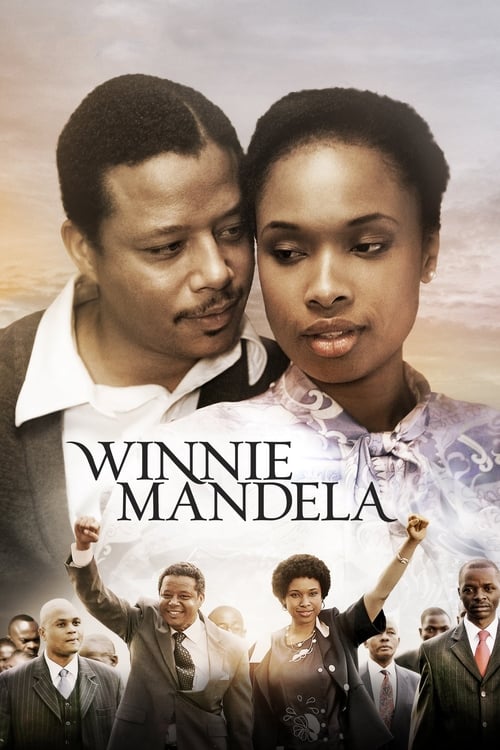
Winnie Mandela
2011
No user ratings available yet
Diversity score: 7.3 out of 10

1996
Director
Juan Carlos Desanzo
Runtime
120 minutes
Average Rating
No ratings yetSynopsis
Drama based on the life of Eva Peron, an obscure actress, who rose to become wife of Argentine strong-man President Juan Peron and one of the most powerful figures in Argentina until her death in 1952 at age 33.
Overall Score
Good
Category Breakdown
LGBTQ+ Representation
The film adheres to a mid-20th-century historical framework. It focuses strictly on the heteronormative political partnership between Eva and Juan Perón, offering no explicit queer narratives.
Gender Representation
Eva Perón disrupts traditional hierarchies by evolving from an actress into a central political agent. The film portrays her as a formidable leader who challenges patriarchal structures through political potency.
Racial & Ethnic Diversity
The narrative uses class-based identity to explore social struggle. It highlights the tension between the Eurocentric oligarchy and the diverse, working-class 'descamisados' to disrupt traditional historical narratives.
Religious & Cultural Diversity
The film critiques traditional Western-aligned institutions and capitalist structures. It prioritizes collective needs over established social hierarchies, often portraying elite and religious influences as obstacles to justice.
Disability Representation
The narrative is driven by political and socioeconomic conflict. There is no significant focus on visible or invisible disabilities within the biographical context.
Strengths
Areas for Improvement
AI Analysis
Juan Carlos Desanzo’s film is a sophisticated biographical study that uses Eva Perón’s life to critique established power dynamics. It succeeds by framing the protagonist as a driver of systemic change rather than a passive historical figure. The film’s primary strength is its subversion of gendered expectations and its rigorous examination of class-based oppression. It moves beyond simple biography to explore the intersection of individual agency and collective social movements. However, the film remains limited by its historical period, lacking representation for non-cisnormative identities. The focus is heavily concentrated on the specific socio-political struggle of the Argentine working class.
2011
1973

2010
2001
2004
2015
2021
2013
2017

2022

1987
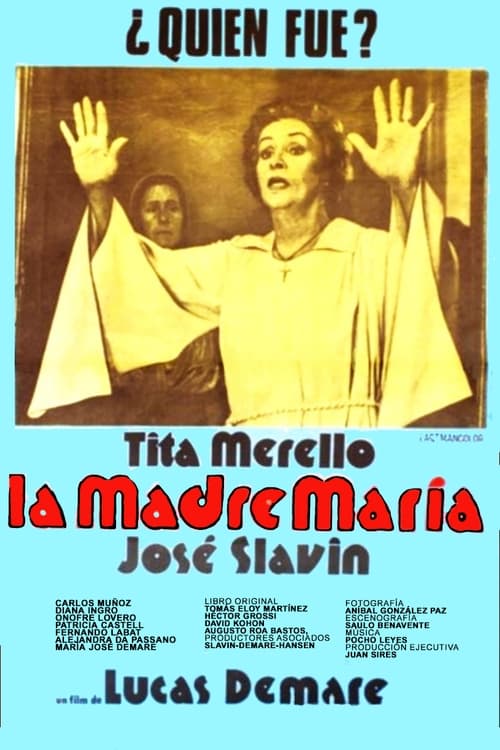
1974
No reviews yet. Be the first to share your thoughts on this movie!
Use the rating form above to leave a star rating and optional review.