Thunder Among the Leaves
1958
No user ratings available yet
Representation score: 4.3 out of 10
Representation Score
Limited
1936
NRDirector
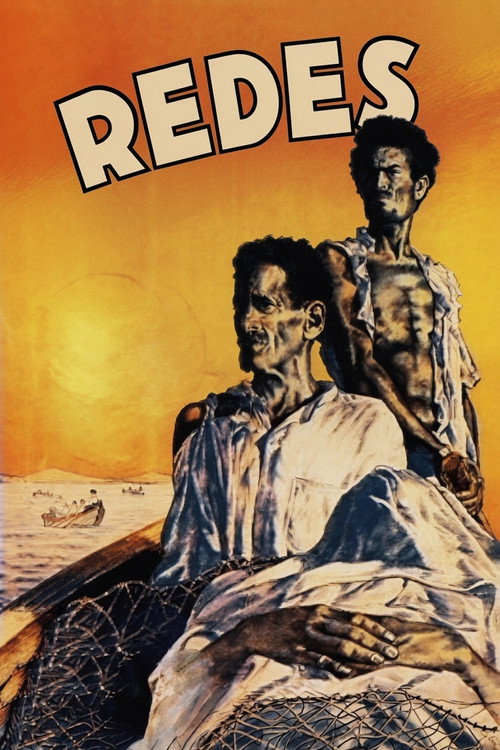
Fred Zinnemann, Emilio Gómez Muriel
Runtime
61 minutes
Average Rating
No ratings yetNew Showbiz Analysis
Redes stands as a significant piece of social realism that prioritizes the collective struggle of the Mexican working class over individualistic heroism. By centering indigenous and mestizo identities, the film provides a nuanced portrayal of ethnic ability to act that was rare for its era. However, the film remains tethered to the period's social limitations. The narrative is heavily male-centric, leaving women in domestic roles without significant influence over the central labor conflict. Ultimately, the film's strength lies in its systemic critique. It successfully moves beyond simple moral tales to examine how corrupt political and economic structures exploit underrepresented populations.
Category Breakdown
The film focuses entirely on agrarian struggle and socioeconomic survival. There are no queer narratives or non-cisgender identities present in the story.
Narrative ability to act is concentrated among male protagonists navigating labor disputes. Women appear within domestic contexts but lack the individual ability to act to disrupt the era's patriarchal structures.
The production centers a predominantly Mexican cast, focusing on the lived experiences of the indigenous and mestizo working class. This disrupts the Eurocentric casting norms of the 1930s.
The film critiques feudalistic capitalism and institutional corruption by framing systemic oppressors. It emphasizes collective resistance against established authority and exploitative socioeconomic systems.
There is no documented evidence regarding the inclusion of characters with physical or neurodivergent disabilities in this work.
Present on Screen
Limited or Absent
Official Synopsis
A Mexican fisherman, whose son has died because he could not afford necessary medical care out of his meagre wages, becomes aware of how badly exploited he and his many fellow fisherman are by the one greedy man for whom they work and the corrupt politician who makes the laws to benefit him.
1958

1949
1979

1958
1961
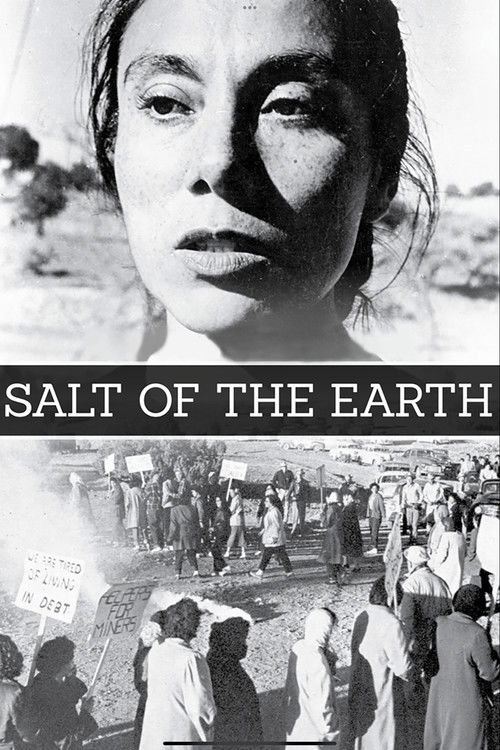
1954
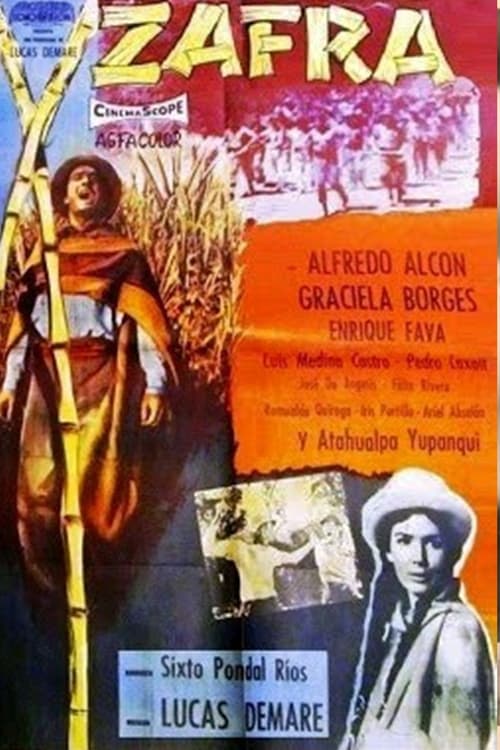
1959
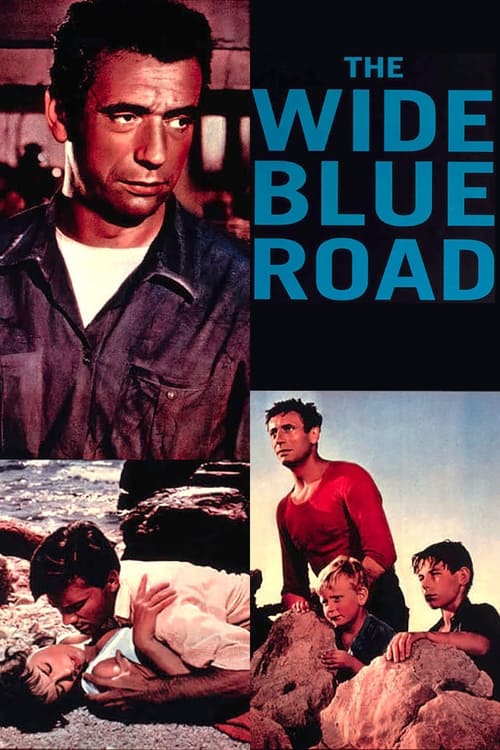
1957
No reviews yet. Be the first to share your thoughts on this movie!
Use the rating form above to leave a star rating and optional review.