
Kamchatka
2002
No user ratings available yet
Representation score: 4.0 out of 10
Representation Score
Fair
1974
Director
Silvio Caiozzi, Pablo Perelman
Runtime
70 minutes
Average Rating
No ratings yetNew Showbiz Analysis
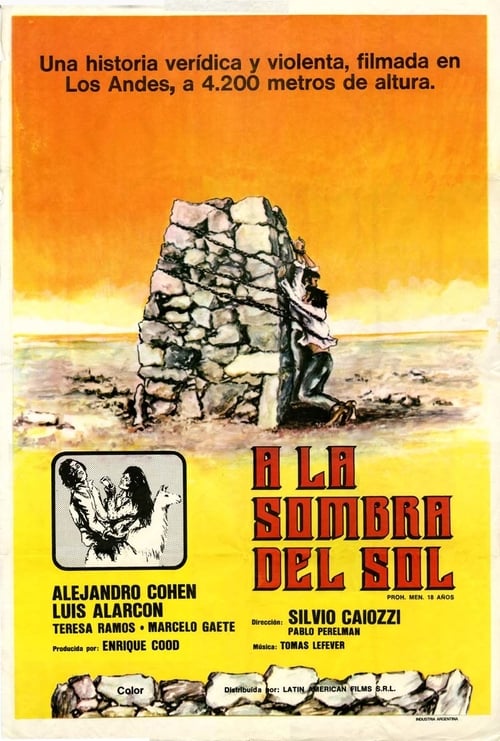
A la sombra del sol is a work defined by its historical and political weight rather than demographic diversity. Its strength lies in its cultural positioning and its engagement with socio-political realities. The film disrupts conventional cinematic norms by centering a localized, non-Western struggle for belonging. The protagonists' status as outsiders allows for a sophisticated engagement with social hierarchies and the fragility of community institutions. While the film lacks explicit markers in LGBTQ+ or disability representation, it offers a nuanced view of regional identity through its specific Latin American setting.
Category Breakdown
The film does not include any explicit LGBTQ+ characters or narratives. It focuses on a traditional character study of two men.
The story centers on male protagonists within a restrictive desert town. There is no specific evidence of women's ability to drive the story or challenging traditional gender roles.
The film provides meaningful regional representation by setting its story in the Chilean desert near Bolivia. This localized setting disrupts Western-centric storytelling norms.
The work explores the tension between individuals and systemic social structures. It functions as a critique of institutional authority and social instability.
There is no visible evidence regarding the portrayal of physical or neurodivergent disabilities in the narrative.
Present on Screen
Limited or Absent
Official Synopsis
Two thieves wander in the chilean desert and finally get to a small town near Bolivia. There, they try to include themselves with the townspeople but their instincts betray them and tragedy ensues. Based on a true story, this film opened one year after the chilean Coup de etat. The day after the opening, script girl Carmen Bueno and director of photography Jorge Müller were taken by police and now they are part of the list of the Desaparecidos.
2002
2020
1990

1964

1992
1989
2004
2009
No reviews yet. Be the first to share your thoughts on this movie!
Use the rating form above to leave a star rating and optional review.