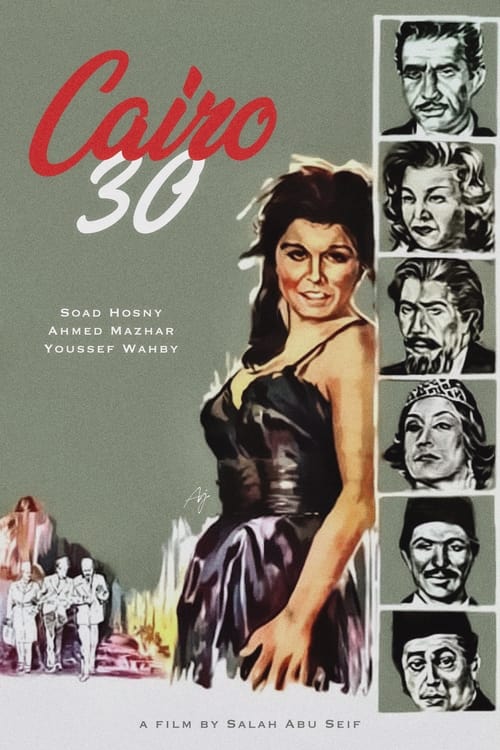
Cairo 30
1966
No user ratings available yet
Representation score: 3.3 out of 10
Representation Score
Fair
1967
Director
Salah Abu Seif
Runtime
112 minutes
Average Rating
No ratings yetNew Showbiz Analysis
Salah Abu Seif’s film offers a critical look at systemic inequities and rural power structures. By focusing on the struggles of the working class, it challenges the idea of a benevolent leader and exposes the corruption within centralized authority. The film successfully challenges traditional gender roles by placing women at the forefront of narrative conflict within a patriarchal society. Instead of reinforcing the status quo, the story uses the domestic sphere to question the stability of male-led social orders. While the film does not engage with contemporary identity politics or diverse representation outside its specific cultural context, it provides a nuanced portrayal of social justice and the dismantling of oppressive systems.
Category Breakdown
The film focuses solely on heterosexual relationships and traditional family structures, with no representation of LGBTQ+ identities or non-cisgender narratives.
Female characters play key roles in driving the main conflicts by challenging male authority figures. The story highlights the injustices of a patriarchal system.
The cast is made up of actors who authentically represent Egyptian rural life, emphasizing local identity and social dynamics.
The storyline criticizes local power structures by portraying the mayor as a corrupt figure. It highlights the harm caused by autocratic control to the rural population.
The film does not include any central narrative arcs focused on physical or neurodivergent disabilities.
Present on Screen
Limited or Absent
Official Synopsis
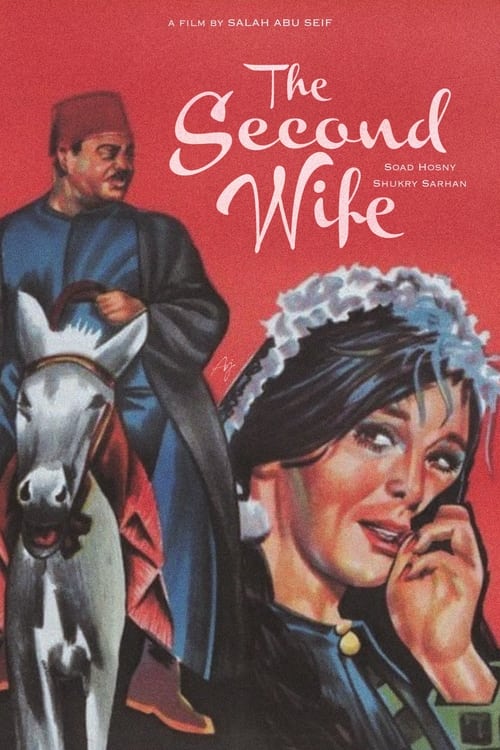
A story in the Egyptian countryside about an unjust mayor who controls everything in the village with his power.
1966

1958
1973
2016
1968
1969

1996

1972
No reviews yet. Be the first to share your thoughts on this movie!
Use the rating form above to leave a star rating and optional review.