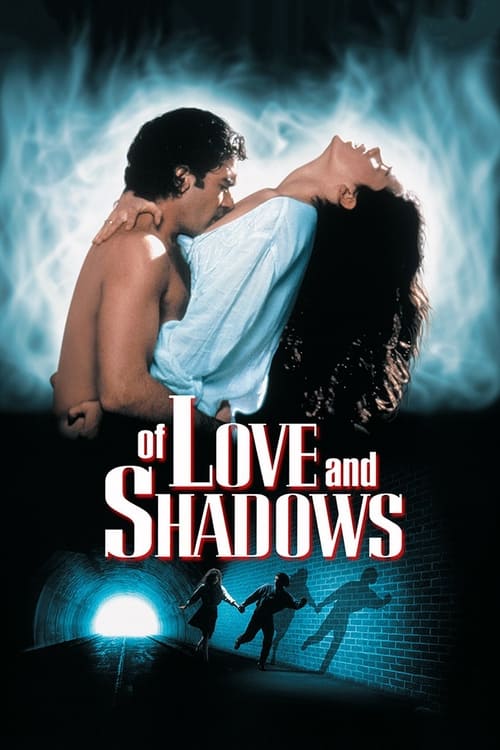
Of Love and Shadows
1994
No user ratings available yet
Representation score: 4.8 out of 10
Representation Score
Fair
1995
NRDirector
Roberto Faenza
Runtime
104 minutes
Average Rating
No ratings yetNew Showbiz Analysis
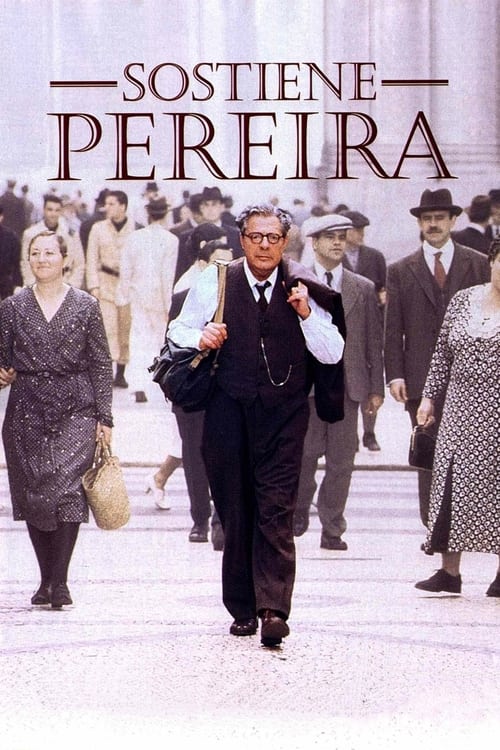
Pereira Declares is a sophisticated historical drama set in 1930s Portugal, examining the tension between systemic power and individual morality. The film stands out by challenging the traditionalist protagonist through his interactions with underrepresented voices. Its strength lies in its critique of totalitarianism and its focus on the strength of those targeted by racial and political laws. It effectively uses the Jewish experience to challenge the era's racial essentialism. However, the film lacks representation for LGBTQ+ individuals and does not include characters with disabilities.
Category Breakdown
The film does not include any LGBTQ+ characters or explore non-straight relationships. Instead, it focuses on the 1930s sociopolitical tensions through other identity lenses.
Women play a crucial role in driving the protagonist's moral growth through their political resistance. The film highlights their strength and ability to act, contrasting it with the male lead's initial intellectual shortcomings.
The story shines by centering the Jewish experience during the rise of racial laws. It uses persecuted minorities as the main agents of moral truth against a nationalist backdrop.
The film criticizes Western institutions and the press's complicity under fascism. It portrays the state as a corrupt entity that undermines traditional social bonds.
There are no significant depictions of physical or neurodivergent disabilities within the main storyline.
Present on Screen
Limited or Absent
Official Synopsis
Lisbon, 1938. Mr. Pereira is the editor of the culture section of an evening paper. Although fascism is on the rise in Europe, like in nearby civil war Spain or even inside Portugal itself in the form of Salazar's regime, Pereira only concerns himself with writing bios and translating French novels. Things change after he hires a young writer as his assistant, getting to know also his girlfriend – both opponents to the regime – and reluctantly helps them when they begin to get in trouble for subversive activities. Eventually, he's forced to take a stand...
1994

1973
1948
1985
1981
1995

2017
2016
No reviews yet. Be the first to share your thoughts on this movie!
Use the rating form above to leave a star rating and optional review.