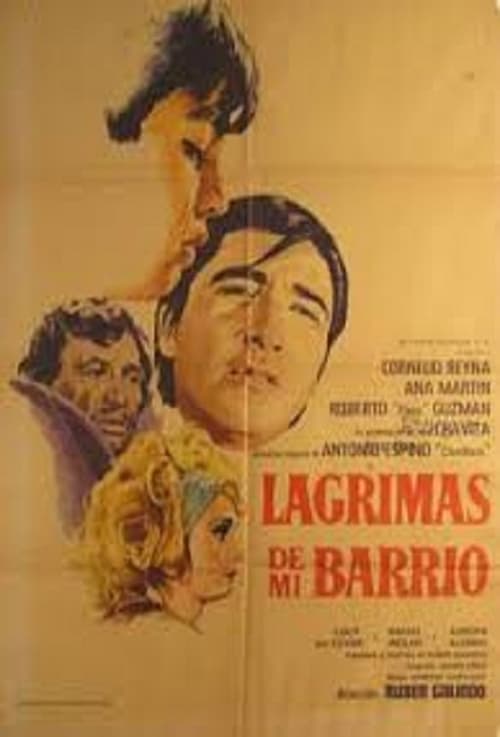
Lágrimas de mi barrio
1973
No user ratings available yet
Representation score: 5.0 out of 10

Representation Score
Limited
1963
Director
Gilberto Gazcón
Runtime
104 minutes
Average Rating
No ratings yetNew Showbiz Analysis
Laughter of the City is a localized social drama that prioritizes ethnic and class-based authenticity. By focusing on the underrepresented inhabitants of a Mexico City shantytown, the film shifts the lens away from institutional power to the lived experiences of the urban poor. While the film successfully disrupts Western-centric views through its portrayal of Mexican working-class life, it lacks clear representation of other identity markers. The absence of information regarding LGBTQ+ identities and gender hierarchy subversion limits its overall impact. The film's strength lies in its neorealist framework and its commitment to portraying the specificities of local socio-economic realities rather than idealized social orders.
Category Breakdown
The film does not include any characters or stories related to LGBTQ+ identities.
The story emphasizes social class rather than gender. Urban settings suggest a move away from traditional feminine roles, but there is no clear subversion of gender hierarchies.
The film features a mostly Mexican cast reflecting their socio-economic reality. It highlights the working class by focusing on local identity, breaking the typical Western perspective.
Set near the Basilica of Our Lady of Guadalupe, the film captures the complexities of poverty and systemic struggles through the depiction of shantytown life.
The film does not mention any characters with visible or invisible disabilities.
Present on Screen
Limited or Absent
Official Synopsis
The underside of Mexico City: street performers, factory workers, a drunk, an old man with civic pride, a pickpocket, and others live and interact in a shantytown near the Basilica of Our Lady of Guadalupe.
1973
1970

1958
1961
1951
1959
1962
1998
No reviews yet. Be the first to share your thoughts on this movie!
Use the rating form above to leave a star rating and optional review.