BLABLABLÁ
1968
No user ratings available yet
Representation score: 5.6 out of 10
Representation Score
Good
1970
Director
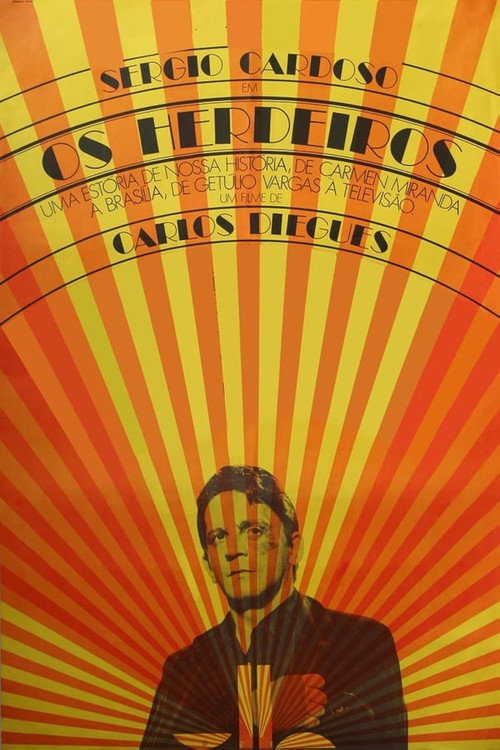
Carlos Diegues
Runtime
110 minutes
Average Rating
No ratings yetNew Showbiz Analysis
Carlos Diegues uses this drama to dismantle Brazil's colonial legacies and power structures. The film excels by employing racial and cultural symbols to challenge the dominance of the elite, making the decay of traditional institutions a central theme. While the film is a powerful critique of societal issues, it lacks depth in representing LGBTQ+ identities or disability. The narrative structure emphasizes class and racial divisions.
Category Breakdown
The film focuses on class struggle and lineage rather than sexual orientation. There is no mention of non-traditional gender identities or criticism of the assumption that everyone is straight.
The movie depicts a declining patriarchal system among the landed elite. Women play a supporting role to the main conflicts involving male inheritance and political power.
The film contrasts European-descended aristocracy with Afro-Brazilian and mixed-race working classes. This tension drives the plot and breaks down monolithic views of the ruling elite.
The story serves as a critique of Western-aligned institutions and capitalist structures. It portrays the traditional family and landed elite as oppressive and exploitative forces.
There is no specific depiction of physical or neurodivergent disabilities in the film. The narrative centers on socioeconomic and racial identity.
Present on Screen
Limited or Absent
Official Synopsis
Jorge, an ambitious journalist, marries into money and betrays colleagues to become a powerful politician during political turmoil in 1946 Brazil.
1968

1967
1976

1964
1978

2017
1999

1960
No reviews yet. Be the first to share your thoughts on this movie!
Use the rating form above to leave a star rating and optional review.