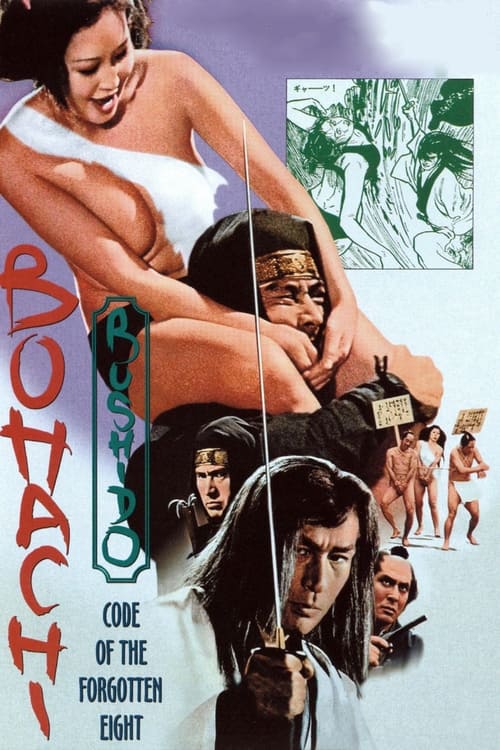
Bohachi Bushido: Code of the Forgotten Eight
1973
No user ratings available yet
Diversity score: 5.1 out of 10

1969
Director
Eiichi Kudō
Runtime
97 minutes
Average Rating
No ratings yetSynopsis
The second Bounty Hunter film, when master killer Shikoro Ichibei takes up the cause of a group of farmers being driven to despair by the vile Lord Ozeki. The villainous lord has driven them to mounting their last stand at a deserted fort against an army of attackers. Wakayama Tomisaburo is superb as an expert in killing and military tactics, who leaves his medical practice at a clinic for the poor in order to counter the vicious tactics of that vile lord.
Overall Score
Fair
Category Breakdown
LGBTQ+ Representation
The film lacks explicit evidence of LGBTQ+ characters or non-heteronormative narratives. The story centers on a traditional conflict between a protagonist and a feudal antagonist.
Gender Representation
The narrative relies heavily on masculine archetypes like the master killer and military expert. While the protagonist shows agency, the plot remains driven by male-centric roles.
Racial & Ethnic Diversity
Set in a specific Japanese historical context, the cast is ethnically homogeneous. However, the film explores class-based diversity by centering the agency of the peasantry.
Religious & Cultural Diversity
The film engages deeply with anti-authoritarian themes. It portrays the struggle of farmers against a corrupt lord as a necessary rebellion against systemic oppression.
Disability Representation
There is no documented evidence regarding the portrayal of physical or neurodivergent disabilities in this work.
Strengths
Areas for Improvement
AI Analysis
The film operates as a narrative of social upheaval rather than identity-based representation. It adheres to the traditional casting and gender norms of 1969 action cinema, focusing on masculine archetypes and a homogeneous historical setting. However, the film gains merit through its structural critique of institutional corruption. By framing the peasantry as a marginalized group fighting a predatory aristocracy, it provides a proxy for social diversity and class-based agency. Ultimately, the work prioritizes themes of social justice and the disruption of feudal hierarchies over a diverse range of personal identities.
1973
1964
1964
1969
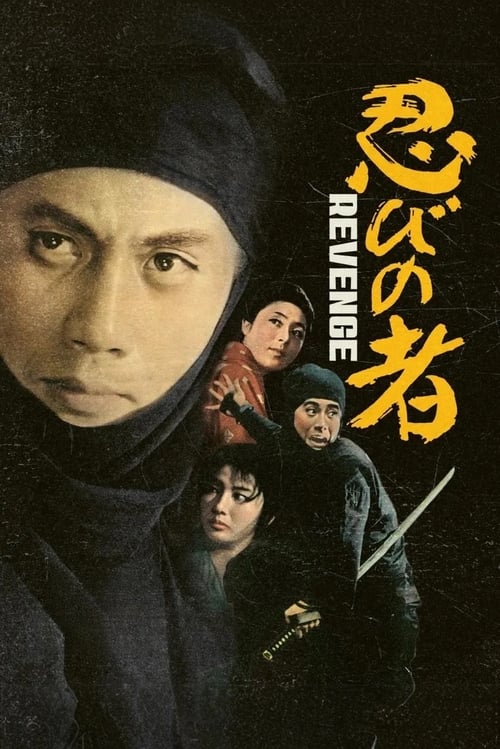
1963
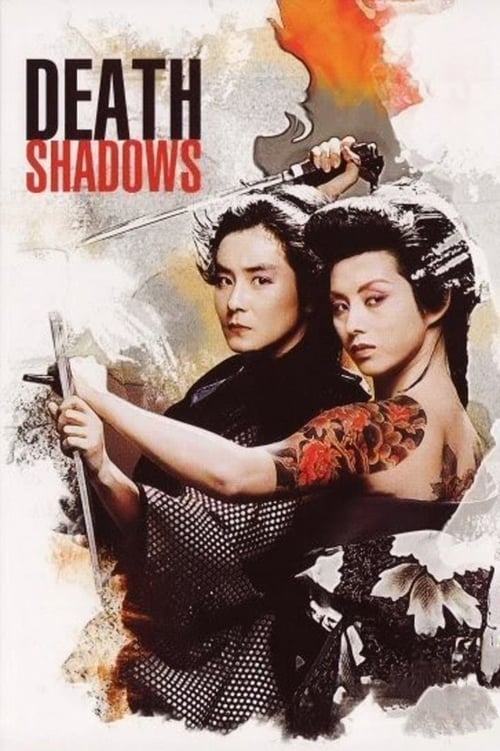
1986
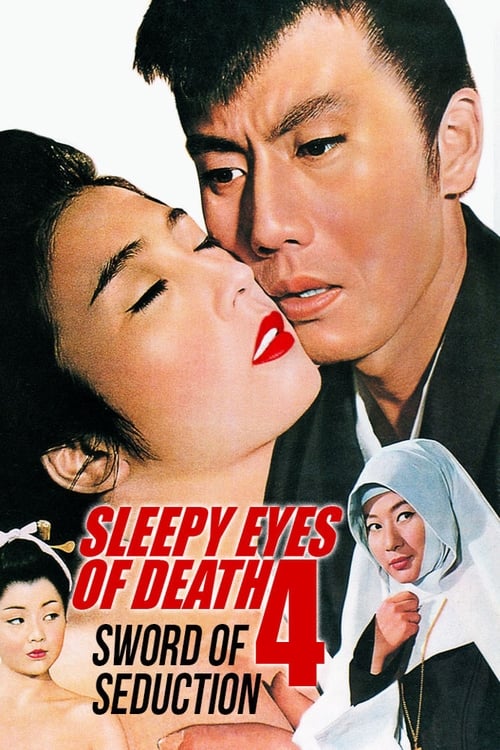
1964
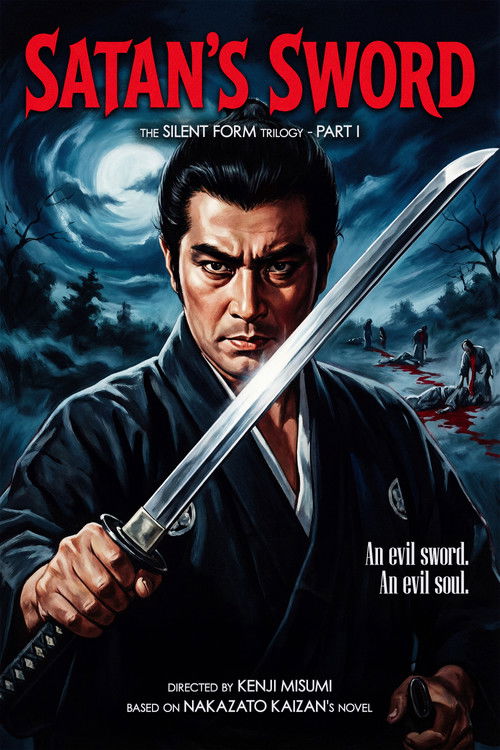
1960

2005
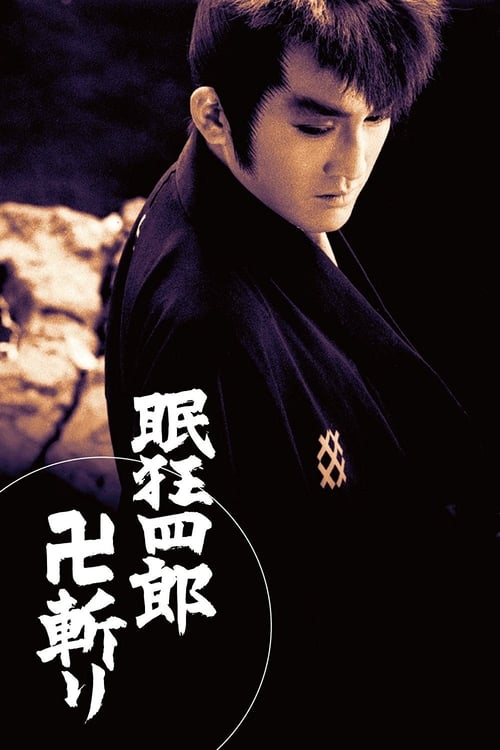
1969
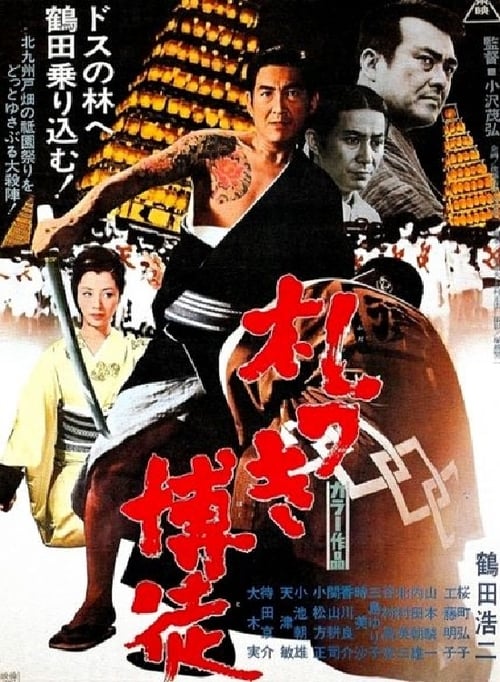
1970
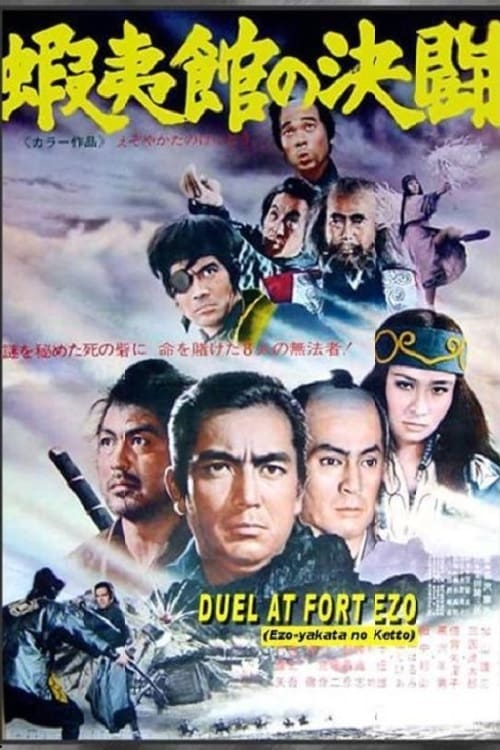
1970
No reviews yet. Be the first to share your thoughts on this movie!
Use the rating form above to leave a star rating and optional review.